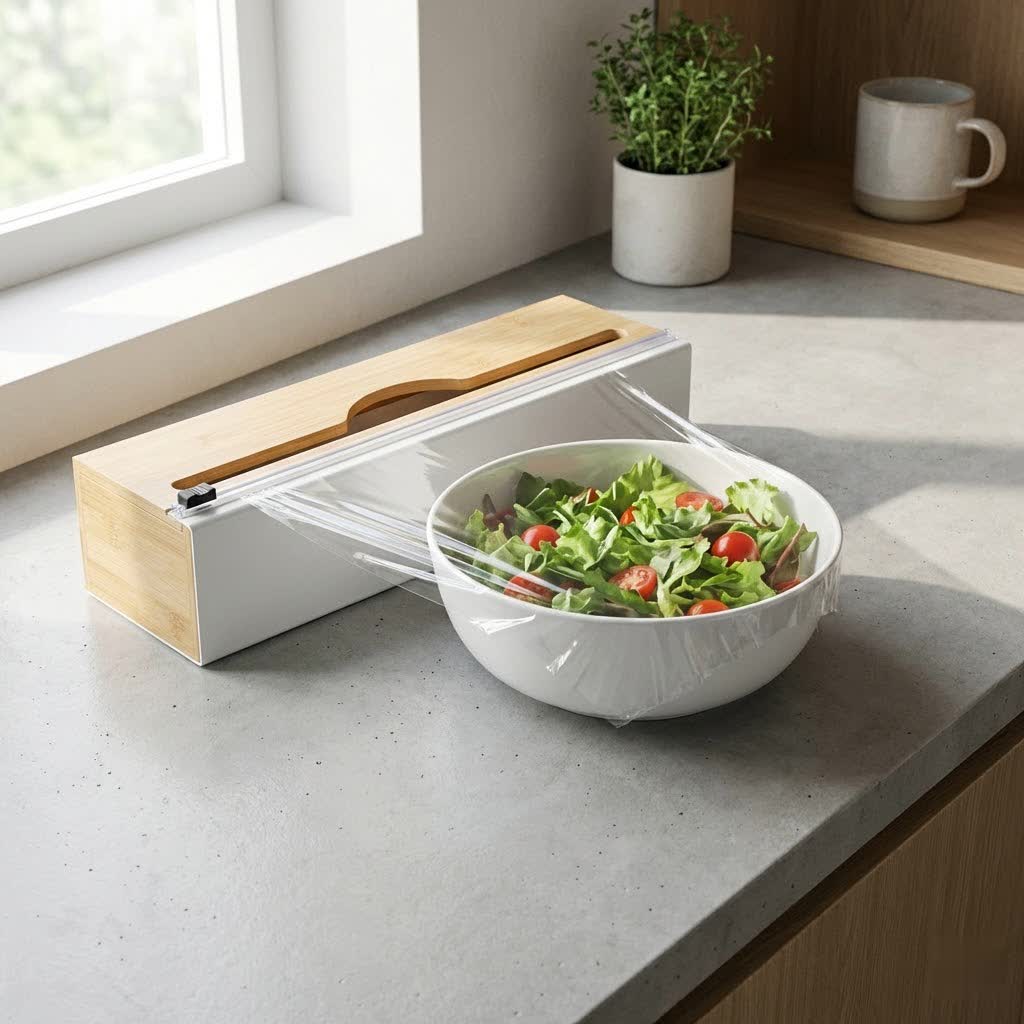
Sous vide has revolutionized home cooking, offering unparalleled precision to achieve perfectly cooked meals every time. This gentle cooking method, which involves immersing vacuum-sealed food in a temperature-controlled water bath, ensures consistent results, tender textures, and maximum flavor. However, the success and safety of your sous vide experience hinge critically on the wrapping material you choose. Not all food wraps are created equal, especially when subjected to sustained heat.
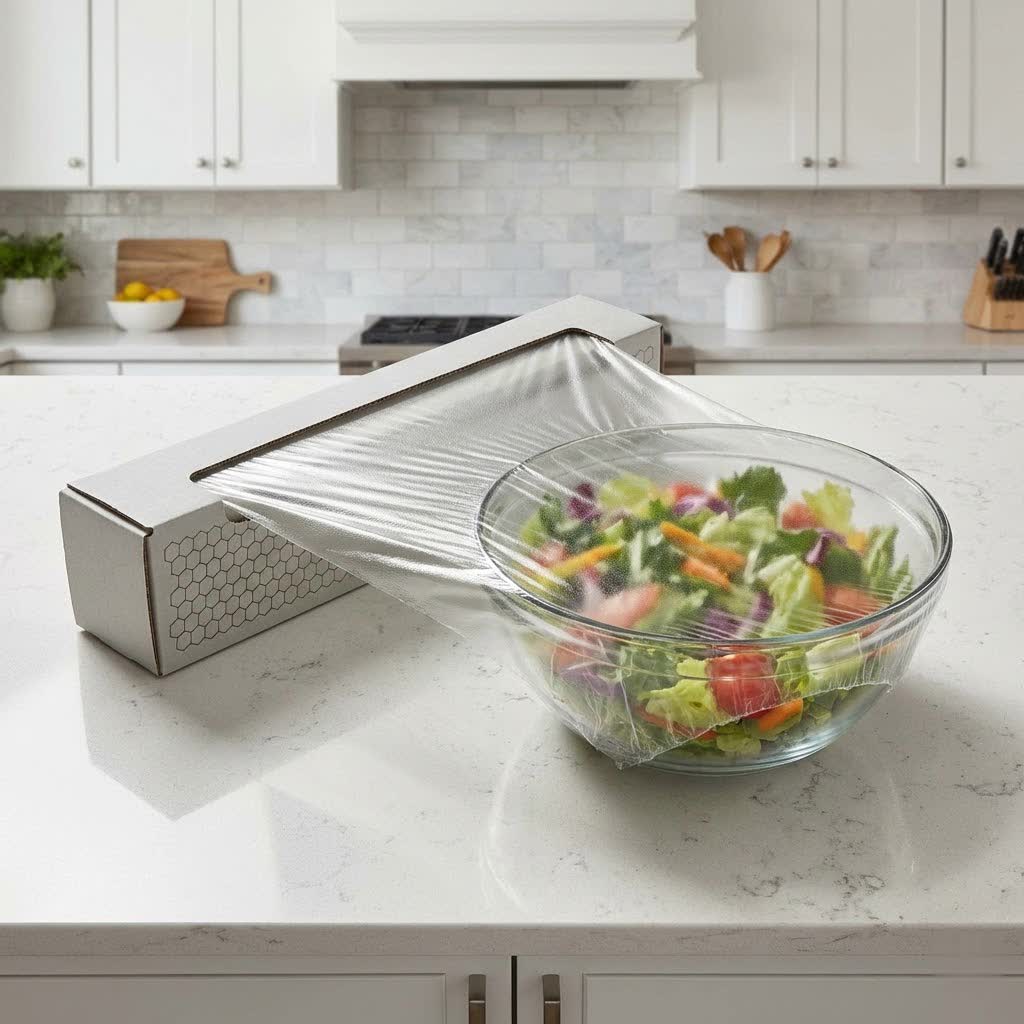
The primary goal of any sous vide wrap is to create an airtight seal around your food. This seal is crucial for two reasons: it prevents water from entering the bag, which could dilute flavors and introduce bacteria, and it maximizes contact between the food and the water bath, ensuring efficient and even heat transfer. Beyond functionality, the material’s heat resistance and chemical inertness are paramount for food safety. Using the wrong wrap can lead to a compromised meal or, worse, introduce harmful chemicals into your food.
Understanding Sous Vide Packaging Needs
Achieving culinary excellence with sous vide depends heavily on selecting the right packaging. The chosen wrap must meet specific criteria to ensure both optimal cooking and food safety. First, it must create a reliable, air-free barrier to prevent food from floating and to facilitate even heat distribution. Second, it needs to withstand the consistent temperatures of a sous vide bath without degrading or leaching harmful substances. Finally, the material must be food-grade and free from potentially toxic compounds.
Proper packaging isolates your food from the water, preserving its natural juices and flavors while allowing for precise temperature control. A tight seal also prevents oxygen exposure, which can lead to oxidation and off-flavors, especially during longer cooking times. Without adequate sealing and heat-safe materials, your sous vide efforts could be undermined, yielding unsatisfactory results or posing health risks.
Traditional Sous Vide Packaging: Vacuum Sealer Bags
For many sous vide enthusiasts and professional chefs, traditional vacuum sealer bags remain the gold standard. These bags, often made from multi-layer plastics like polyethylene (PE) and polyamide (PA), are specifically designed for the sous vide process. They work in conjunction with a vacuum sealer machine to remove nearly all air, creating an incredibly tight, form-fitting seal around the food.
The primary advantage of vacuum sealer bags is their superior sealing capability. This tight seal ensures maximum contact between the food and the water, leading to efficient and uniform cooking. They are also highly durable, designed to withstand extended periods in hot water without leaking or breaking. This makes them ideal for longer cooks, such as tough cuts of meat or dishes requiring many hours of tenderization. While the initial investment in a vacuum sealer and bags might be higher, the reliability and performance often justify the cost for dedicated sous vide users.
Alternative Heat-Safe Wraps for Sous Vide
While vacuum sealer bags are often the preferred choice, several other heat-safe wraps offer viable alternatives or supplementary uses for sous vide cooking. Each comes with its own set of advantages and considerations regarding safety, reusability, and effectiveness. Understanding these options allows for greater flexibility in your kitchen, catering to different needs and environmental preferences.
Food-Grade Plastic Wrap (Polyethylene – PE)
|
Our Picks for the Best Food wrap in 2026
As an Amazon Associate I earn from qualifying purchases.
|
||
| Num | Product | Action |
|---|---|---|
| 1 | Reynolds Kitchens Quick Cut Plastic Wrap, 225 Square Feet |

|
| 2 | Amazon Basics Plastic Food Wrap, BPA Free, Microwavable, 200 Sq Ft, Pack of 1 |
|
| 3 | Amazon Basics Plastic Food Wrap, BPA Free, Microwave Safe with Tight Seal, 300 Sq Ft, Pack of 3, 100 Sq Ft Rolls |
|
| 4 | Kirkland Signature Stretch Tite Plastic Food Wrap 11 7/8 Inch X 750 SQ. FT. Pack 2 |
|
| 5 | Glad Press'N Seal Food Plastic Wrap, 70 Square Foot Roll (Package May Vary) |
|
| 6 | Kirkland Signature Plastic Food Wrap - 6000 SQ. FT (2 Pack, 12" x 3000 SQ. FT Each) |
|
| 7 | Glad Cling N Seal Plastic Wrap for Food, Airtight Seal, 300 Square Foot Roll (Pack of 4) |
|
| 8 | Kirkland Signature Food Wrap Premium |
|
| 9 | Reynolds 912 Foodservice Clear Plastic Wrap Film, 15 inch Width, 2000 Feet |
|
| 10 | Plastic Food Wrap Thick Enough for daily use Stronger for Comercial Use Durable With Slide Cutter 12"wide 2000 Feet long Home and Commercial Use Food Service |
|
Food-grade plastic wrap, commonly known as cling film, can be a useful tool in your sous vide arsenal, but it comes with critical caveats. It is generally suitable for short cooking times or for specific applications, such as tightly shaping delicate foods or wrapping aromatics before placing them inside a larger sous vide bag. When choosing plastic wrap, it is crucial to select products made from 100% polyethylene (PE) that are explicitly labeled as “microwave-safe” and “food-safe.”
Why PE is important: Many commercial and some cheaper household plastic wraps are made from PVC (polyvinyl chloride). PVC often contains plasticizers like phthalates, which can leach into food when heated, posing potential health risks. To identify safe PE wrap, look for labels that state “BPA-free” and “PVC-free.” A simple sniff test can also help: if the wrap has a strong, chemical, or “shower curtain” smell, it’s likely PVC and should be avoided for sous vide. While PE wrap can offer a good temporary seal for certain applications, its ability to maintain a strong, consistent vacuum over longer cooking periods is generally inferior to dedicated vacuum sealer bags. For best results, use multiple layers and ensure the cooking temperature does not exceed 85°C (185°F).
Reusable Silicone Bags
Reusable silicone bags have emerged as a popular eco-friendly alternative to single-use plastic bags in the kitchen, including for sous vide. Made from food-grade silicone (often platinum-cured), these bags are highly durable, can withstand temperatures well into the 400°F (200°C) range, and are free from BPA, PVC, phthalates, and latex. Their reusability significantly reduces plastic waste, making them an attractive option for environmentally conscious cooks.
Despite their excellent heat resistance and eco-friendly profile, silicone bags present a unique challenge for sous vide: achieving a perfect vacuum seal. Unlike plastic vacuum bags, most silicone bags rely on a pinch-press or slider-bar seal, making it difficult to expel all the air. This can lead to food floating in the water bath, resulting in uneven cooking. The “water displacement method” (submerging the bag in water to force air out before sealing) can help, but a truly airtight seal can be elusive. Additionally, silicone can attract fats, sometimes making them more challenging to clean thoroughly, though most are dishwasher safe. Popular brands like Stasher and Anova offer silicone bags specifically marketed for sous vide, but users should be aware of these practical limitations.
Glass Jars
While not a “wrap,” glass jars with tight-fitting lids are an excellent and entirely inert option for certain sous vide applications. They are perfect for foods that are liquid-rich, such as custards, confits, or infused oils, or for items that don’t require a tight vacuum seal for even cooking, like making black garlic or dulce de leche. Glass is non-porous, completely heat-safe, and will not leach any chemicals into your food, making it one of the safest materials for cooking. Ensure the jars are suitable for canning or high temperatures and that their lids create a reliable seal when submerged.
Wraps NOT Recommended for Sous Vide
Not all food wraps are suitable for the unique conditions of sous vide cooking, particularly those involving heat and raw food contact. Some materials pose significant food safety risks or simply cannot withstand the temperatures involved, leading to compromised food and potential health hazards.
Beeswax Wraps
Beeswax wraps, while an environmentally friendly alternative for general food storage (like covering bowls, wrapping sandwiches, or produce), are categorically unsuitable for sous vide cooking or for storing raw meat. These wraps are typically made from cotton infused with beeswax, jojoba oil, and tree resin.
The primary reason for their unsuitability is their low melting point. Beeswax begins to soften and melt at temperatures above 40°C (104°F), which is well below the typical sous vide cooking range (often 50-85°C / 122-185°F). Submerging them in a hot water bath would cause the wax to melt, releasing components into the water and onto your food, and compromising the wrap’s integrity. Furthermore, beeswax wraps are porous and cannot be sanitized effectively with hot, soapy water, making them unhygienic for contact with raw meat or fish due to the risk of bacterial contamination (e.g., Salmonella, E. coli). Their breathable nature also prevents the creation of the necessary airtight seal for efficient sous vide cooking. For raw meat storage, always opt for impermeable, sanitizable options.
Key Criteria for Choosing Sous Vide Wraps
When selecting the best wraps for your sous vide cooking, consider these crucial criteria to ensure safety, efficiency, and optimal results. Making an informed choice prevents potential health risks and enhances your culinary experience.
Material Composition (Avoiding Harmful Chemicals)
Always prioritize wraps made from food-grade materials. Look for certifications like FDA or LFGB approval. Critically, ensure plastic wraps are BPA-free, PVC-free, and phthalate-free. Polyethylene (PE) is generally preferred over PVC for plastic films. For reusable options, platinum-cured silicone or glass are excellent choices as they are chemically inert and will not leach substances into your food.
Temperature Resistance
The wrap must be able to withstand the sustained temperatures of your sous vide water bath. Most sous vide cooking occurs between 120°F (49°C) and 185°F (85°C). Verify that the wrap material is rated for these temperatures. Silicone typically offers the highest heat resistance, followed by quality PE plastic films. Beeswax wraps, with their low melting point, are unsuitable for any heated cooking.
Sealing Effectiveness
An airtight seal is paramount for sous vide. It ensures efficient heat transfer, prevents water ingress, and maintains food integrity. Vacuum sealer bags offer the most reliable airtight seal. For other wraps, the water displacement method can help expel air, but assessing the seal’s long-term integrity is vital. A compromised seal can lead to uneven cooking or, in the worst case, waterlogging.
Ease of Use & Cleaning
Consider how easily you can wrap your food and how convenient the wrap is to clean afterward. Single-use plastic wraps are easy to apply but contribute to waste. Reusable silicone bags are eco-friendly but can be challenging to achieve a perfect vacuum and may require thorough scrubbing to remove fats, though many are dishwasher safe. Glass jars are easy to clean and seal but are heavier and less flexible.
Environmental Impact (Reusability)
For those concerned about sustainability, reusable options like silicone bags and glass jars are superior. While they may have a higher upfront cost, their longevity and reduced waste generation offer long-term benefits for both your wallet and the planet. If using plastic wrap, minimize its use or choose brands that are more environmentally responsible where possible.
Expert Tips for Safe Sous Vide Wrapping
Even with the right materials, proper technique is essential for safe and successful sous vide cooking. As an experienced technician in kitchenware, I’ve gathered some invaluable insights to help you optimize your wrapping process.
- Always Check Labels: Never assume a plastic wrap is sous vide safe. Always verify that it’s 100% polyethylene (PE) and explicitly states “microwave-safe” and “food-safe.” Look for “BPA-free” and “PVC-free” designations to avoid harmful chemicals.
- Double-Wrapping for Cling Film: If you opt to use PE cling film, especially for slightly longer cooks or to provide extra security for delicate items, double-wrap your food. This adds a layer of protection against potential leaks and helps maintain the seal.
- Master the Water Displacement Method: For non-vacuum bags like zipper-lock bags or silicone pouches, the water displacement method is your best friend. Slowly submerge the bag (with food inside) into the water bath, allowing the water pressure to push out the air through a small opening. Seal the bag just before it’s fully submerged.
- Monitor for Leaks: Throughout the cooking process, keep an eye on your bags. Any signs of air bubbles forming or water ingress mean the seal has failed. If this happens, remove the food, re-package it, and restart the cooking if necessary to ensure safety and quality.
- Keep it Submerged: Floating food is a common sous vide issue that can lead to uneven cooking. Ensure your wrapped food stays fully submerged. You can use sous vide weights, clips to attach bags to the container, or even a ceramic plate on top of the bags to keep them down.
“The right wrap is more than just a barrier; it’s an integral part of the sous vide process, enabling precise cooking while safeguarding your health and enhancing flavor.”
Conclusion
Choosing the right heat-safe wrap is a fundamental step toward mastering sous vide cooking, ensuring both delicious results and peace of mind. While vacuum sealer bags offer the ultimate in sealing efficiency and reliability, high-quality polyethylene plastic wrap and reusable silicone bags provide flexible alternatives for various needs. It is crucial to always prioritize food-grade materials free from harmful chemicals like BPA, PVC, and phthalates, and to match the wrap’s temperature resistance to your cooking demands. By understanding the properties and proper application of each material, you can confidently select the best wraps, elevating your sous vide creations while maintaining stringent food safety standards. Experiment with different options, always keeping an eye on safety and performance, to discover what works best for your culinary adventures.
What’s your go-to heat-safe wrap for sous vide, and why?
Frequently Asked Questions
Can I use regular plastic wrap for sous vide?
You can use certain types of regular plastic wrap for sous vide, specifically those made from 100% polyethylene (PE) and labeled “microwave-safe” and “food-safe.” Avoid PVC-based plastic wraps, as they can leach harmful plasticizers when heated. Always double-wrap for security and use for shorter cooking times.
Are silicone bags better than plastic bags for sous vide?
Reusable silicone bags are an excellent eco-friendly option due to their high heat resistance and lack of harmful chemicals like BPA or PVC. However, they can be more challenging to achieve a perfect vacuum seal compared to dedicated plastic vacuum sealer bags, potentially leading to uneven cooking if air pockets are present.
What temperatures are safe for plastic wrap in sous vide?
For food-grade polyethylene (PE) plastic wrap, safe temperatures for sous vide generally range up to 85°C (185°F). Always check the manufacturer’s guidelines for your specific brand of plastic wrap, and avoid using it for prolonged cooking at higher temperatures to minimize any potential risks.