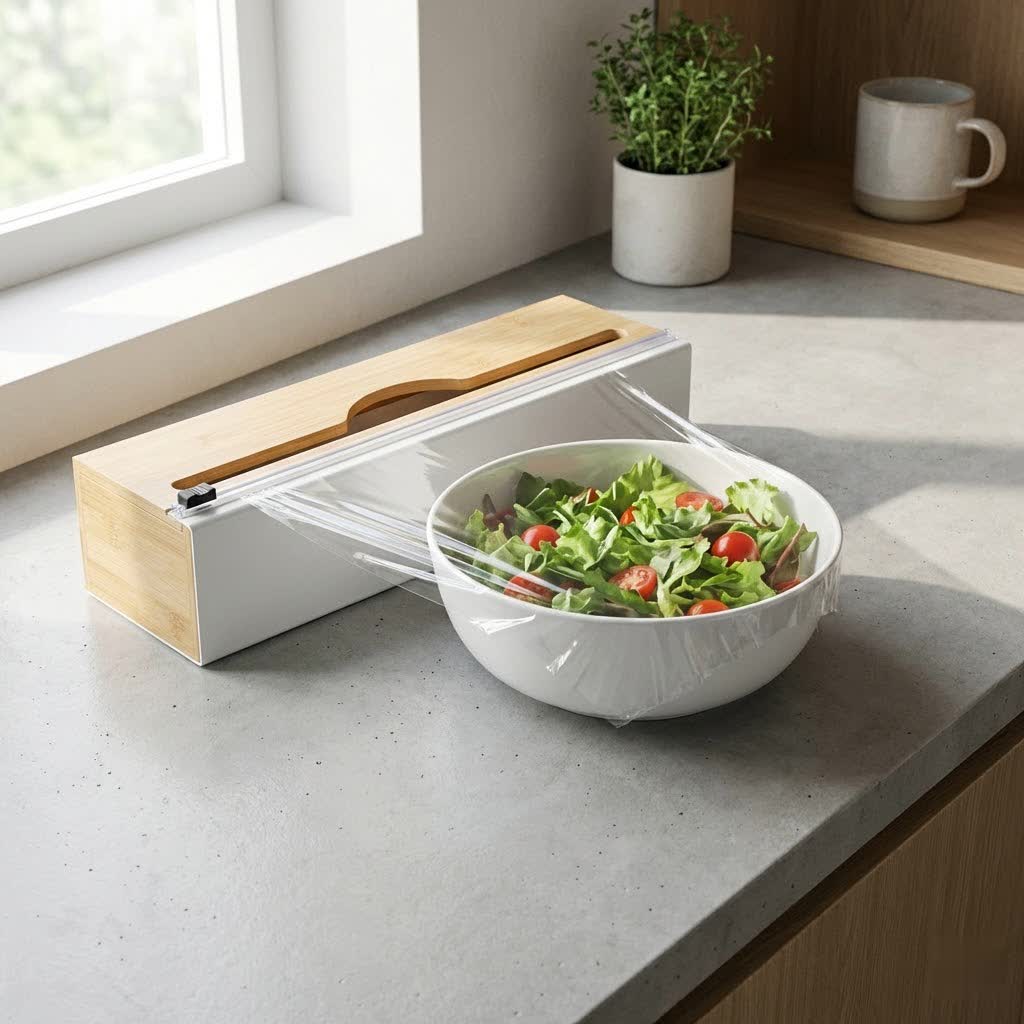
In today’s kitchens, convenience often clashes with environmental responsibility. Traditional plastic cling wrap, a staple for sealing leftovers and preserving freshness, contributes significantly to landfill waste and plastic pollution. As awareness grows, many are seeking greener alternatives that align with a sustainable lifestyle. Eco-safe compostable cling wrap emerges as a promising solution, offering the everyday utility of plastic wrap without the long-term environmental burden. This comprehensive review delves into its performance, eco-credentials, and practical considerations to help you determine if it’s the right choice for your household.
The Environmental Imperative: Why Compostable Cling Wrap Matters
The ubiquitous nature of conventional plastic cling wrap, made primarily from petroleum-based plastics like PVC or LDPE, presents a significant environmental challenge. These films are notoriously difficult to recycle due to their thinness and tendency to contaminate recycling machinery, leading most of it to end up in landfills or polluting natural ecosystems. There, they can persist for hundreds of years, breaking down into microplastics that infiltrate our food chains and water sources. Compostable cling wrap, by contrast, is designed to break down into natural elements, returning to the earth rather than lingering for generations. Opting for a compostable alternative is a conscious step towards reducing your plastic footprint and supporting a healthier planet.
Understanding Eco-Safe Compostable Cling Wrap: Materials and Certifications
Eco-safe compostable cling wrap is typically crafted from plant-based biopolymers such as polylactic acid (PLA) derived from corn starch or other renewable resources. Unlike “biodegradable” plastics, which can sometimes break down only under specific, often rare, environmental conditions, truly “compostable” products are certified to decompose into nutrient-rich humus, carbon dioxide, and water within a defined timeframe.
However, a crucial distinction exists within the realm of compostability:
- Commercial Composting: Many products are certified for industrial composting facilities, which maintain high, consistent temperatures and specific moisture levels necessary for complete breakdown. Certifications like BPI® (Biodegradable Products Institute) and CMA® (Compost Manufacturing Alliance) typically signify suitability for these large-scale facilities. If your local waste management offers commercial composting, these wraps are an excellent option.
- Home Composting: A smaller subset of compostable wraps is certified for home composting, designed to break down effectively in a backyard compost pile, usually within 12-24 weeks. Look for specific labels like “OK Compost HOME” or ASTM D6400 certification that explicitly states home compostability. It’s important to verify this on the packaging, as not all “compostable” products will fully degrade in a less controlled home environment.
Performance Deep Dive: Adhesion, Durability, and Food Preservation
When evaluating any food wrap, its ability to cling, endure, and preserve food is paramount. Eco-safe compostable cling wraps have made significant strides in matching the performance of their traditional counterparts.
Adhesion and Durability
|
Our Picks for the Best Food wrap in 2026
As an Amazon Associate I earn from qualifying purchases.
|
||
| Num | Product | Action |
|---|---|---|
| 1 | Amazon Basics Plastic Food Wrap, BPA Free, Microwavable, 200 Sq Ft, Pack of 1 |

|
| 2 | Kirkland Signature Stretch Tite Plastic Food Wrap 11 7/8 Inch X 750 SQ. FT. Pack 2 |
|
| 3 | Kirkland Signature Food Wrap Premium |
|
| 4 | Reynolds 912 Foodservice Clear Plastic Wrap Film, 15 inch Width, 2000 Feet |
|
| 5 | Plastic Food Wrap Thick Enough for daily use Stronger for Comercial Use Durable With Slide Cutter 12"wide 2000 Feet long Home and Commercial Use Food Service |
|
| 6 | Glad Press'N Seal Food Plastic Wrap, 70 Square Foot Roll (Package May Vary) |
|
| 7 | Glad Cling N Seal Plastic Wrap for Food, Airtight Seal, 300 Square Foot Roll (Pack of 4) |
|
| 8 | Amazon Basics Plastic Food Wrap, BPA Free, Microwave Safe with Tight Seal, 300 Sq Ft, Pack of 3, 100 Sq Ft Rolls |
|
| 9 | Kirkland Signature Plastic Food Wrap - 6000 SQ. FT (2 Pack, 12" x 3000 SQ. FT Each) |
|
| 10 | Reynolds Kitchens Quick Cut Plastic Wrap, 225 Square Feet |
|
Many users report that leading compostable cling wraps offer comparable adhesion, sticking effectively to a variety of surfaces including glass, ceramic, and plastic containers. They form a tight seal that helps prevent spills and maintains an airtight environment around food. While some early versions of compostable wraps struggled with tearing easily or tangling, newer formulations are designed to be more durable and resistant to punctures. Brands often highlight features like superior strength and stretch, with some reviewers noting a thicker, more robust feel compared to conventional plastic. However, the tearing mechanism can vary; some products come with a convenient slide cutter, while others with perforated sections can sometimes lead to messy or uneven tears if not handled carefully.
Effectiveness in Food Preservation
The primary goal of food wrap is to extend the freshness of your edibles, and compostable options generally perform well in this regard. Their ability to seal tightly helps to prevent air exposure and moisture loss, crucial factors in spoilage. Some manufacturers claim their compostable films can extend product shelf life by several days, thanks to improved breathability and moisture control that create an optimal environment for various foods, from cut fruits and vegetables to leftovers.
Navigating Heat: Microwave and Temperature Considerations
The question of microwave safety is critical for many consumers, and here, eco-safe compostable cling wraps present a nuanced picture. Unlike many traditional plastic wraps which explicitly state “microwave-safe” (often due to being made from polyethylene), some compostable alternatives are explicitly not designed for microwave use or oven heating. The plant-based materials can melt or degrade at high temperatures, potentially compromising the wrap’s integrity or even leaching substances into food.
However, some brands do offer microwave-safe compostable cling wraps, which is a key differentiating factor. It is absolutely essential to check the product packaging for specific microwave instructions and certifications. If a compostable wrap is microwave-safe, best practices generally advise against allowing the wrap to touch food directly and suggest venting by poking small holes to allow steam to escape and prevent pressure buildup. For any cling wrap, especially compostable varieties, it’s wise to avoid using it with high-fat or sugary foods in the microwave, as these can reach exceptionally high temperatures and potentially compromise the wrap. For guaranteed safety and reusability, consider alternatives like glass or ceramic containers with microwave-safe lids, or silicone covers.
The User Experience: Ease of Use and Dispensing
The daily experience of using cling wrap plays a significant role in its overall appeal. Compostable cling wraps aim to replicate the convenience of traditional films, but there can be variations. Most come in rolls with a dispensing box, similar to conventional products. The ease of unrolling and tearing can differ by brand; some feature sharp, integrated slide cutters for smooth, consistent tears, while others may rely on a serrated edge or perforated lines that some users find less precise or prone to tangling. The “cling” factor, while generally good, might feel slightly different than petroleum-based plastics. Overall, the user experience is largely positive for well-designed compostable wraps, requiring only minor adjustments from familiar routines.
Making the Switch: Choosing and Using Eco-Safe Compostable Cling Wrap
Transitioning to eco-safe compostable cling wrap is a positive step. Here’s a guide to help you choose wisely and maximize its benefits:
Buying Guide
- Compostability Certification: This is paramount. If you have a home compost, prioritize wraps explicitly certified as “home compostable” (e.g., ASTM D6400 home or OK Compost HOME). If you rely on municipal or commercial composting, look for BPI or CMA certifications.
- Material: Understand if it’s 100% plant-based or a blend. This influences its environmental footprint.
- Adhesion and Durability: Check customer reviews for feedback on how well it clings and holds up to tearing. Some brands are recognized for superior strength and stretch.
- Microwave Safety: If microwaving is a common use for you, confirm that the specific product is labeled “microwave safe.” Do not assume.
- Dispenser Quality: A good slide cutter can significantly improve the user experience.
- Price vs. Value: While some eco-friendly options can be more expensive, consider the long-term environmental value and compare performance against cost. Price isn’t always an indicator of superior performance.
Tips for Maximizing Your Compostable Cling Wrap Experience
- Proper Storage: Store rolls in a cool, dry place away from direct sunlight to maintain their integrity and prevent premature degradation.
- Wrapping Techniques: For best results, ensure the edges of your container are clean and dry for optimal adhesion. Pull the wrap taut before sealing.
- Disposal: After use, dispose of your compostable cling wrap according to its certification. Place home compostable wrap in your backyard bin, commercial compostable wrap in designated industrial composting collection, or, if neither is available, in general waste, where it is still preferable to traditional plastic.
Comparison: Eco-Safe Compostable Cling Wrap vs. Alternatives
The table below offers a general comparison of eco-safe compostable cling wrap against other common food preservation methods, highlighting key characteristics that might influence your choice.
| Feature | Eco-Safe Compostable Cling Wrap | Traditional Plastic Wrap | Beeswax Wraps | Silicone Lids/Bags |
|---|---|---|---|---|
| Material | Plant-based (PLA, corn starch) | Petroleum-based (PVC, PE) | Cotton, beeswax, jojoba oil | Food-grade silicone |
| Reusability | Single-use | Single-use | Reusable (up to 1 year) | Reusable (many years) |
| Compostability | Yes (Home/Commercial) | No | Yes (compostable at end-of-life) | No (recyclable in specific facilities) |
| Adhesion | Good | Very good | Good (with hand warmth) | Excellent (airtight seal) |
| Microwave Safe | Varies by brand (check label) | Varies by brand (check label) | No | Yes |
| Durability | Good, improving | Very good | Good | Excellent |
| Cost | Moderate to High | Low | Moderate to High (upfront) | High (upfront) |
| Environmental Impact | Low (degrades naturally) | High (persists for centuries) | Very Low (sustainable) | Low (durable, long-lasting) |
Conclusion: Embracing Sustainable Food Storage
Eco-safe compostable cling wrap offers a compelling step forward in sustainable kitchen practices. While it demands careful attention to certifications, especially regarding home versus commercial composting and microwave safety, its performance in adhesion, durability, and food preservation rivals traditional options. Making the switch means actively reducing plastic waste and contributing to a healthier environment, without sacrificing the convenience of modern food storage. By choosing wisely and understanding its nuances, you can confidently integrate this eco-friendly innovation into your daily routine. Are you ready to wrap your food with a cleaner conscience?
Frequently Asked Questions
Is compostable cling wrap as effective as traditional plastic wrap?
Modern compostable cling wraps often perform comparably to traditional plastic wrap in terms of adhesion, durability, and food preservation. Many users find they cling well to surfaces and keep food fresh, though performance can vary by brand and material composition. Always check reviews for specific products.
Can I use compostable cling wrap in the microwave?
Microwave safety varies significantly among compostable cling wraps. Some brands explicitly state their products are not suitable for microwave use, while others are certified microwave-safe. Always check the product packaging for specific instructions and safety labels before microwaving. If it’s safe, remember to vent the wrap and avoid direct food contact.
How do I properly dispose of compostable cling wrap?
Proper disposal depends on the wrap’s specific certification. If it’s certified “home compostable,” you can add it to your backyard compost pile. If it’s certified for “commercial composting,” it should be sent to an industrial composting facility (if available in your area). If no composting options exist, it should be placed in general waste.
What certifications should I look for in compostable cling wrap?
Look for certifications such as BPI® (Biodegradable Products Institute) or CMA® (Compost Manufacturing Alliance) for commercial composting. For home composting, seek “OK Compost HOME” or ASTM D6400 certification explicitly stating home compostability. These certifications ensure the product meets standards for breakdown.
Is compostable cling wrap always more expensive than traditional cling wrap?
Compostable cling wrap typically has a higher upfront cost than traditional plastic wrap due to specialized materials and production processes. However, prices are becoming more competitive as demand increases. Consider the long-term environmental benefits as part of the overall value, rather than just the immediate purchase price.