In every kitchen, the battle against food waste and the pursuit of fresh, flavorful meals are ongoing. For years, home cooks, hunters, and professional butchers alike have relied on various methods to preserve food, particularly in the freezer. Yet, achieving true, long-lasting freshness without the dreaded freezer burn often feels like an elusive goal. If you’ve ever pulled a forgotten steak from the freezer only to find it dry, discolored, and tasteless, you understand the frustration. This is where high-quality freezer paper, like the Ruskin Freezer Paper Butcher Standard, becomes an indispensable tool, offering a superior solution to protect your valuable food investments.
Food Wrap – Convenient Solutions for Every Home
Food wrap encompasses a variety of materials designed to protect food from air, moisture, and contaminants. From everyday plastic film to specialized freezer solutions, each type serves a unique purpose in the kitchen. Understanding these options is crucial for effective food preservation, especially when it comes to safeguarding perishables for extended periods.
Exploring Common Food Wrap Types
Different wrapping materials offer distinct advantages and disadvantages, making the choice dependent on your specific needs.
- Freezer Paper: This specialized paper, often exemplified by “butcher standard” products like Ruskin Freezer Paper, is designed for optimal freezer storage. It typically features a robust paper base with a polyethylene (poly) coating on one side. This poly coating creates a strong moisture and vapor barrier, crucial for preventing freezer burn and locking in freshness. The uncoated side is perfect for labeling contents and dates. Unlike ordinary paper, its design allows it to conform closely to food, minimizing air pockets, which are a primary cause of spoilage.
- Butcher Paper: While similar in appearance to freezer paper, traditional butcher paper is generally uncoated, making it more breathable. It’s excellent for wrapping fresh meats for short-term storage, lining food baskets, or for smoking meats where some air circulation is desired. However, its lack of a moisture barrier makes it less effective for long-term freezing, as it doesn’t adequately protect against freezer burn.
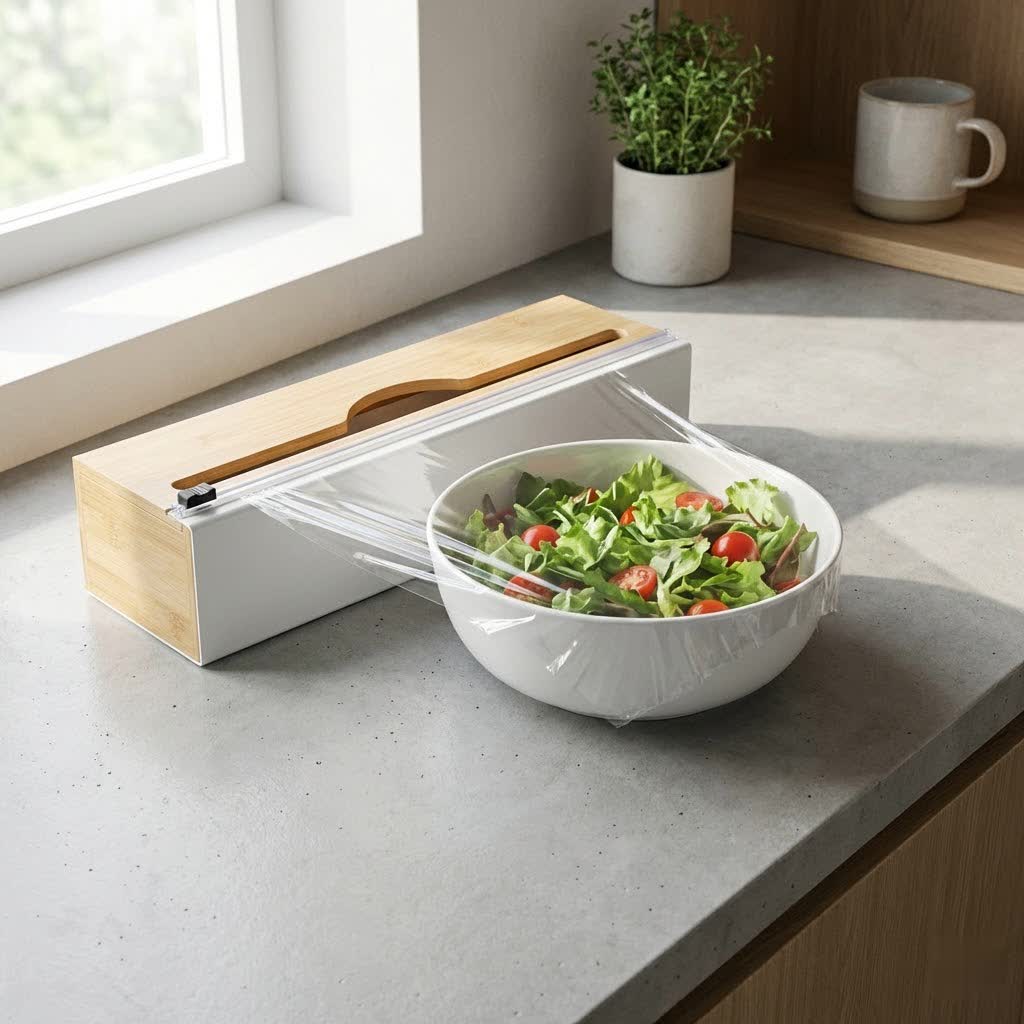
- Plastic Wrap (e.g., PE, PVC): Common household plastic wraps are convenient for short-term covering and preventing cross-contamination in the refrigerator. They offer good adhesion and transparency. However, for freezer use, they can be less effective at preventing freezer burn because they often don’t form an airtight seal and can trap stagnant air around the food. Some concerns also exist regarding certain plastic components like BPA and phthalates, though many products are now certified free of these.
- Aluminum Foil: Aluminum foil provides an excellent barrier against light, moisture, and odors. It’s versatile for cooking and can be molded tightly around food. However, it can sometimes impart a metallic taste to certain foods, especially acidic ones, and if not sealed perfectly, it can still lead to freezer burn by allowing air exposure.
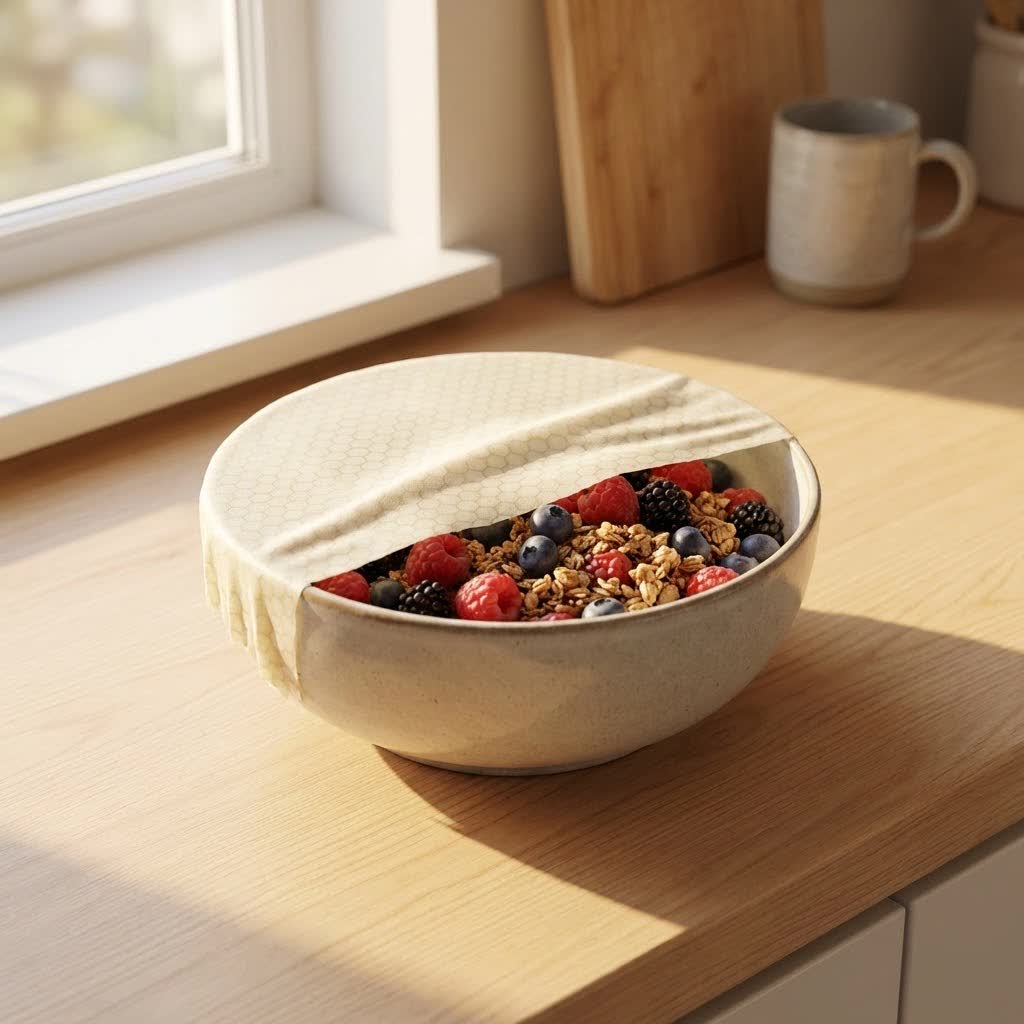
- Silicone Wraps and Beeswax Wraps: These increasingly popular alternatives are lauded for their reusability and eco-friendliness. Silicone wraps offer an airtight seal and are often oven-safe, while beeswax wraps provide a breathable, malleable cover ideal for cheese, vegetables, and bread. While excellent for refrigerated storage and reducing single-use plastics, they are generally less suitable for long-term freezing of raw meats compared to dedicated freezer paper due to varying degrees of airtightness and durability in freezing temperatures.
|
Our Picks for the Best Food wrap in 2026
As an Amazon Associate I earn from qualifying purchases.
|
||
| Num | Product | Action |
|---|---|---|
| 1 | Amazon Basics Plastic Food Wrap, BPA Free, Microwave Safe with Tight Seal, 300 Sq Ft, Pack of 3, 100 Sq Ft Rolls |

|
| 2 | Plastic Food Wrap Thick Enough for daily use Stronger for Comercial Use Durable With Slide Cutter 12"wide 2000 Feet long Home and Commercial Use Food Service |
|
| 3 | Kirkland Signature Stretch Tite Plastic Food Wrap 11 7/8 Inch X 750 SQ. FT. Pack 2 |
|
| 4 | Reynolds 912 Foodservice Clear Plastic Wrap Film, 15 inch Width, 2000 Feet |
|
| 5 | Amazon Basics Plastic Food Wrap, BPA Free, Microwavable, 200 Sq Ft, Pack of 1 |
|
| 6 | Reynolds Kitchens Quick Cut Plastic Wrap, 225 Square Feet |
|
| 7 | Kirkland Signature Food Wrap Premium |
|
| 8 | Glad Cling N Seal Plastic Wrap for Food, Airtight Seal, 300 Square Foot Roll (Pack of 4) |
|
| 9 | Kirkland Signature Plastic Food Wrap - 6000 SQ. FT (2 Pack, 12" x 3000 SQ. FT Each) |
|
| 10 | Glad Press'N Seal Food Plastic Wrap, 70 Square Foot Roll (Package May Vary) |
|
Criteria for Choosing Quality Food Wrap
Selecting the right food wrap goes beyond just picking the first roll you see. Several key factors contribute to its effectiveness, safety, and overall value. When evaluating options, especially for critical tasks like freezing meats, these criteria are paramount.
Prioritizing Food Safety
The primary concern for any food contact material is its safety. Always look for certifications that guarantee the wrap is safe for food use. Products, particularly freezer papers, should be labeled “FDA-compliant” for direct food contact, ensuring they meet strict health standards. It’s also vital to check for “BPA-free” claims, avoiding potential chemical leaching into your food. High-quality freezer paper, like the Ruskin Freezer Paper Butcher Standard, is specifically engineered to be inert and safe, providing a secure barrier without contaminating contents.
Assessing Durability and Adhesion
A durable wrap is essential to prevent tearing, which can expose food to air and lead to spoilage. Freezer paper, with its robust paper base and poly coating, is designed to be tougher than many other wraps, resisting punctures and rips during handling and storage. Furthermore, effective adhesion is critical for creating a tight seal around food. While freezer paper doesn’t cling like plastic wrap, its structure allows for tight folds that, when properly executed, minimize air pockets and maintain contact with the food surface, particularly with the poly-coated side facing inwards.
Understanding Heat Resistance
It’s crucial to differentiate between wraps suitable for cold storage and those that can withstand heat. Freezer paper, with its polyethylene coating, is not designed for use in microwaves, ovens, or any high-heat cooking applications. The plastic coating will melt, potentially contaminating your food and creating a mess. For cooking, parchment paper or aluminum foil are appropriate alternatives, but never freezer paper.
Valuing Convenience and Reusability
Ease of use is a significant factor in a busy kitchen. Many quality freezer paper brands come in convenient dispenser boxes with a serrated edge, making it simple to tear off precise lengths without fuss. While traditional freezer paper is a single-use product, its efficiency in preventing freezer burn often outweighs the desire for reusability in situations demanding maximum preservation. For those prioritizing reusability, silicone lids or beeswax wraps offer sustainable alternatives for non-freezer applications.
Comparing Leading Food Wrap Solutions
To illustrate the strengths and weaknesses of various food wraps, let’s look at a comparative overview. This will help clarify why a specialized product like Ruskin Freezer Paper Butcher Standard stands out for specific preservation tasks.
| Brand/Type | Material | Size (Typical) | Price (Est.) | Pros | Cons |
|---|---|---|---|---|---|
| Ruskin Freezer Paper (Butcher Standard) | Poly-coated paper | 17.25″ x 200′ | $15 – $25 | Excellent freezer burn protection, locks in moisture, durable, easy to label. | Not for cooking/heat, single-use, less breathable than butcher paper. |
| Traditional Butcher Paper | Uncoated Kraft paper | 18″ x 150′ | $10 – $20 | Breathable, good for smoking, short-term wrapping, affordable. | Poor freezer burn protection, not moisture-proof for liquids, limited freezer life. |
| Standard Plastic Wrap | Polyethylene (PE) or PVC | 12″ x 200 sq ft | $4 – $8 | Good adhesion, flexible, transparent, widely available. | Can trap air leading to freezer burn, less eco-friendly, not always BPA-free. |
| Beeswax Wraps | Cotton fabric, beeswax, oil | Various (sets of 3-5) | $15 – $30 | Reusable, eco-friendly, breathable (for certain foods). | Not for raw meat, requires washing, less airtight, higher initial cost. |
| Aluminum Foil | Aluminum | 12″ x 75 sq ft | $5 – $10 | High heat resistance, molds to shape, good barrier against light/odors. | Can impart metallic taste, not breathable, freezer burn risk if not sealed well. |
How to Use Food Wrap Correctly
Proper wrapping techniques are just as important as the quality of the wrap itself. Even the best freezer paper won’t perform optimally if not applied correctly. Mastering these techniques will significantly extend the life and quality of your preserved foods.
Maximizing Freshness with Freezer Paper
For meats and other items destined for long-term freezing, the goal is to eliminate as much air as possible to prevent freezer burn. Start by placing the food item on the dull, uncoated side of the Ruskin Freezer Paper, with the shiny, poly-coated side facing up. Wrap the item tightly, folding the paper over the food to create snug creases and expel air. The shiny, coated side should be in direct contact with the food. Overlap the edges and fold them down, then fold in the ends like a present, ensuring a completely sealed package. Label clearly with the contents and date using the uncoated outer surface. This technique can protect food for up to 12-15 months.
Safe Usage in the Microwave
As previously emphasized, freezer paper is not suitable for microwave use. The polyethylene coating is designed for cold temperatures and will melt when heated, potentially leaching chemicals into your food and damaging your microwave. Always transfer frozen foods wrapped in freezer paper to a microwave-safe container before reheating.
Tips for Reusing Wraps
While Ruskin Freezer Paper is designed for single-use to ensure optimal food safety and performance, other eco-friendly alternatives like silicone wraps or beeswax wraps are reusable. For these, always wash them thoroughly with cool, soapy water and allow them to air dry completely before storing or reusing. Avoid hot water, especially for beeswax wraps, as it can melt the wax.
Eco-Friendly Food Wrap Options
In an era of increasing environmental awareness, many consumers are seeking greener alternatives to traditional single-use food wraps. While plastic and poly-coated papers offer superior preservation for certain applications, embracing reusable options where appropriate can significantly reduce waste.
Biodegradable and compostable food wraps, such as certain types of parchment paper or unbleached butcher paper (for short-term use), exist but often lack the robust moisture barrier required for long-term freezer storage. Beeswax wraps and silicone covers are excellent reusable choices for refrigerating leftovers, covering bowls, or wrapping sandwiches, contributing to a more sustainable kitchen without compromising freshness in the short term. The balance lies in choosing the right tool for the job – utilizing specialized wraps like Ruskin Freezer Paper for critical preservation, and opting for eco-friendly alternatives for everyday storage to minimize environmental impact.
Where to Buy Food Wrap
Acquiring quality food wrap, including specialized freezer paper like Ruskin Freezer Paper Butcher Standard, is generally straightforward.
These products are readily available at various retail outlets:
- Supermarkets and Grocery Stores: Most large grocery chains carry a selection of food wraps, including basic freezer paper.
- Butcher Supply Stores: For “butcher standard” quality, specialized butcher supply stores or restaurant supply outlets are excellent sources, often offering larger, more economical rolls.
- Online Retailers: Websites like Amazon, WebstaurantStore, and other e-commerce platforms provide a vast array of options, often including specific brands like Ruskin, with detailed product descriptions and customer reviews. When purchasing online, always verify product specifications, read user reviews, and check for relevant safety certifications (e.g., FDA-compliant, BPA-free) to ensure you are receiving a high-quality and safe product.
Buying Guide: Selecting the Best Food Wrap for Your Needs
Navigating the array of food wrap options can be daunting. To simplify your decision, consider these steps to ensure you choose the best wrap for your household’s requirements.
- Determine Your Primary Use: Are you mainly wrapping sandwiches for lunch, covering leftovers, or freezing large quantities of meat for months? For long-term freezing of meats and other perishables, a specialized product like Ruskin Freezer Paper Butcher Standard is highly recommended due to its superior protection against freezer burn. For everyday refrigeration, plastic wrap or reusable options might suffice.
- Choose the Right Material: As discussed, each material offers different properties. Poly-coated freezer paper for freezing, uncoated butcher paper for smoking or short-term fresh meat, plastic wrap for general purpose, and silicone/beeswax for reusability. Match the material to the task.
- Consider Size and Quantity: Freezer paper often comes in wide, long rolls (e.g., 17.25 inches by 200 feet) to accommodate various food sizes. Assess your needs to determine if a large bulk roll is economical for your usage or if smaller rolls are more practical.
- Review Product Information and Certifications: Always read labels carefully. Look for phrases like “food-safe,” “FDA-compliant,” and “BPA-free” to ensure the product meets safety standards. For freezer paper, confirm it has a poly-coating for moisture protection.
- Consult User Reviews: Online reviews can provide valuable insights into a product’s real-world performance, adhesion quality, durability, and overall user satisfaction. This is particularly helpful for assessing specific brands or types of wrap.
“High-quality freezer paper is a game-changer for preserving the taste and texture of frozen foods, reducing waste and ensuring your meals are as delicious as the day they were prepared.”
Conclusion
Effective food preservation is a cornerstone of any well-managed kitchen, and choosing the right tools is paramount. While numerous food wraps are available, Ruskin Freezer Paper Butcher Standard stands out as a top-tier solution for anyone serious about combating freezer burn and maintaining the quality of frozen meats and other perishables. Its poly-coated design provides an unparalleled barrier against moisture and air, ensuring your food remains fresh and flavorful for extended periods. By understanding the distinct properties of different food wraps and applying proper wrapping techniques, you can make informed choices that not only reduce food waste but also enhance your culinary experience.
What steps will you take to elevate your food preservation game and ensure every bite is as fresh as intended?
Frequently Asked Questions
Which type of food wrap is safest for health?
The safest food wraps are typically those labeled “FDA-compliant” and “BPA-free,” ensuring they meet strict health standards and do not leach harmful chemicals into food. Poly-coated freezer paper, when used as intended for freezing, is a safe option, as are many modern plastic wraps and reusable silicone or beeswax wraps.
Can I microwave food wrapped in freezer paper?
No, you should never microwave food wrapped in freezer paper. The polyethylene coating on freezer paper is designed for cold temperatures and will melt when exposed to the high heat of a microwave, potentially contaminating your food and causing damage to the appliance.
How long does freezer paper protect food from freezer burn?
High-quality freezer paper, like Ruskin Freezer Paper Butcher Standard, can protect food from freezer burn for up to one year, with some premium types offering protection for as long as 12 to 15 months, provided the food is wrapped correctly with the coated side against the food and air pockets are minimized.
What is the main difference between butcher paper and freezer paper?
The main difference lies in their coating: butcher paper is typically uncoated and breathable, suitable for short-term wrapping and smoking, while freezer paper has a polyethylene coating on one side that creates a moisture and vapor barrier, making it ideal for long-term frozen food storage and preventing freezer burn.