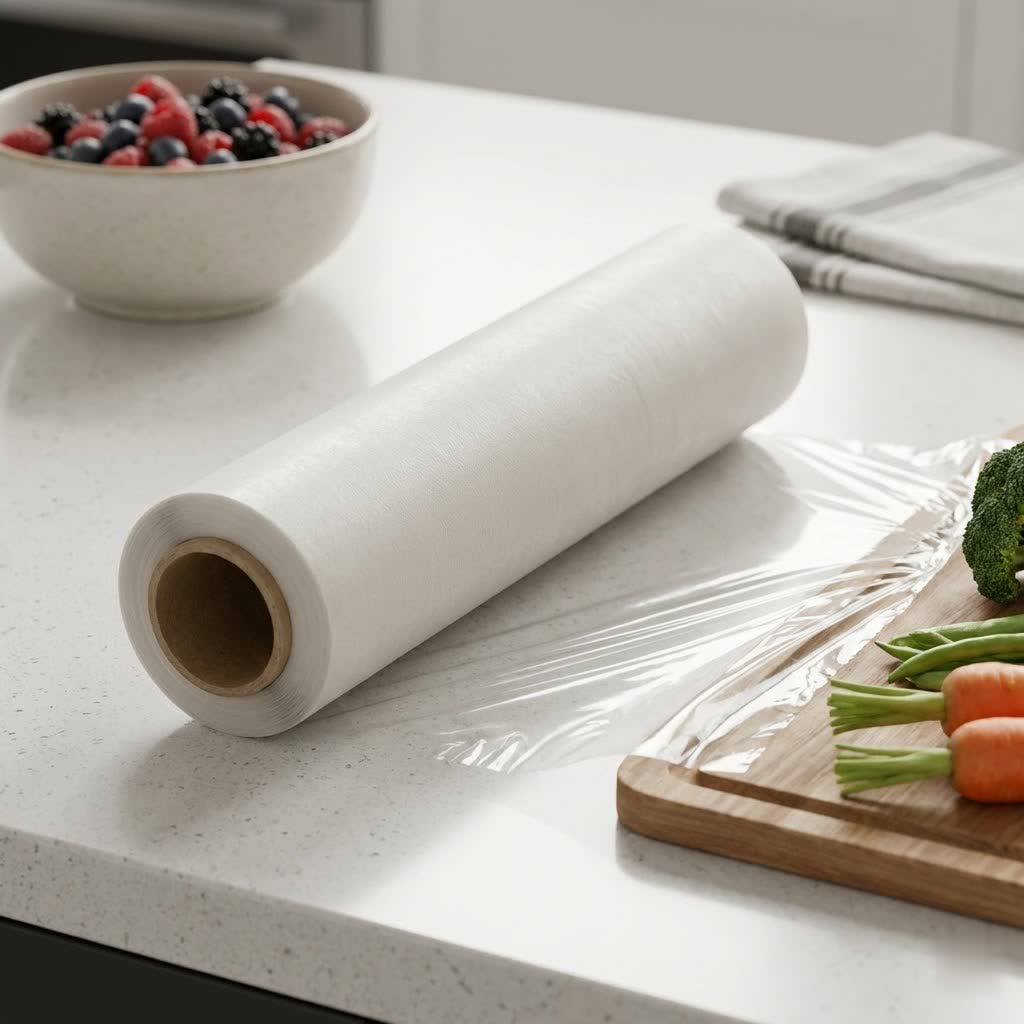
In a world increasingly focused on sustainability, choosing the right reusable food storage solution is more important than ever. For years, plastic wrap dominated kitchens, but now eco-conscious consumers are seeking better alternatives. Two frontrunners in this green revolution are silicone lids and beeswax wraps. Both offer significant advantages over single-use plastics, yet they cater to different needs and preferences. As we move further into 2026, understanding the nuances between these innovative products can help you make an informed decision for your home, ensuring your food stays fresh and your environmental footprint shrinks.
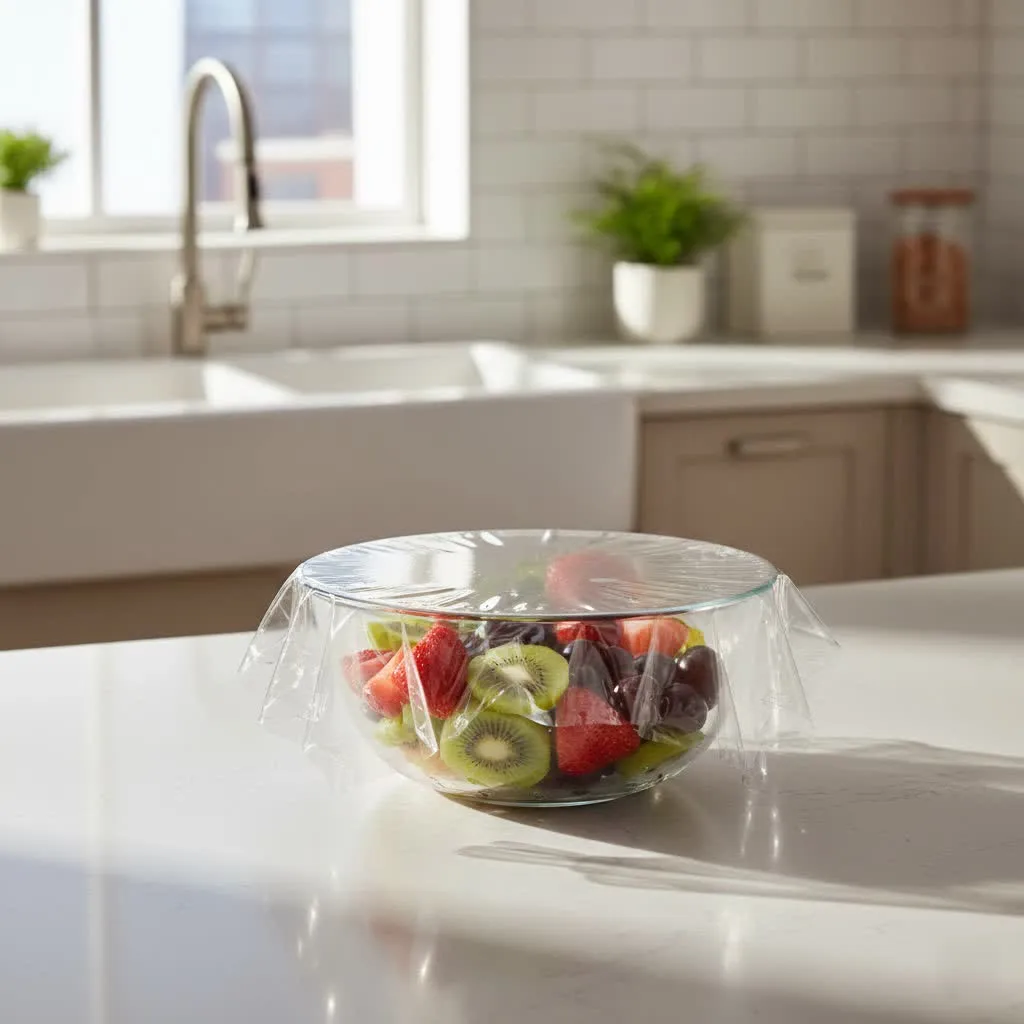
Food Wrap – Convenient Solutions for Every Home
Food wraps play a crucial role in preserving the freshness of our meals and reducing food waste. While traditional plastic wraps have been a staple, the focus has shifted towards more sustainable and health-conscious options.
Types of Popular Food Wraps
Beyond single-use plastic, a variety of reusable food wraps have emerged, each with distinct characteristics:
- Silicone Lids/Covers: Made from food-grade silicone, these flexible covers stretch to fit various containers, bowls, and even cut fruits. They create an airtight seal, are durable, and can withstand extreme temperatures.
- Pros: Highly durable, leak-proof, freezer-safe, microwave-safe, oven-safe, dishwasher-safe, extremely versatile in size and shape, reusable for many years.
- Cons: Can be expensive initially, not ideal for oddly shaped items without a rim, some users report a slight silicone smell initially.
- Safety & Reusability: Generally considered very safe, free from BPA and phthalates. Highly reusable and designed for longevity.
- Heat Resistance: Excellent. Most silicone lids can go from freezer to microwave or even oven (check manufacturer’s specific temperature ratings, usually up to 400°F/200°C).
- Beeswax Wraps: Crafted from cotton fabric infused with beeswax, jojoba oil, and tree resin, these pliable wraps use the warmth of your hands to create a seal around food items or containers.
- Pros: Natural and biodegradable, breathable (good for certain produce), aesthetically pleasing, easy to clean, can be refreshed or composted at end-of-life.
- Cons: Not airtight (breathable nature), not suitable for raw meat or very wet items, not microwave or dishwasher safe, sensitive to heat, shorter lifespan than silicone (typically 6-12 months).
- Safety & Reusability: Made from natural materials, generally safe. Reusable, but require gentle handwashing and avoid hot water.
- Heat Resistance: Poor. Hot water, microwaves, or ovens will melt the beeswax, damaging the wrap.
- PE (Polyethylene) and PVC (Polyvinyl Chloride) Plastic Wraps: These are the traditional disposable plastic wraps.
- Pros: Inexpensive, widely available, good cling properties (especially PVC).
- Cons: Single-use, contribute to plastic waste, PVC can contain phthalates which are a health concern, not breathable.
- Safety & Reusability: PE is generally considered safer than PVC for food contact. Neither is reusable.
- Heat Resistance: Limited, generally not recommended for microwave use with direct food contact due to potential leaching, and certainly not for ovens.
|
Our Picks for the Best Food wrap in 2026
As an Amazon Associate I earn from qualifying purchases.
|
||
| Num | Product | Action |
|---|---|---|
| 1 | Amazon Basics Plastic Food Wrap, BPA Free, Microwavable, 200 Sq Ft, Pack of 1 |

|
| 2 | Kirkland Signature Food Wrap Premium |
|
| 3 | Kirkland Signature Plastic Food Wrap - 6000 SQ. FT (2 Pack, 12" x 3000 SQ. FT Each) |
|
| 4 | Amazon Basics Plastic Food Wrap, BPA Free, Microwave Safe with Tight Seal, 300 Sq Ft, Pack of 3, 100 Sq Ft Rolls |
|
| 5 | Kirkland Signature Stretch Tite Plastic Food Wrap 11 7/8 Inch X 750 SQ. FT. Pack 2 |
|
| 6 | Reynolds Kitchens Quick Cut Plastic Wrap, 225 Square Feet |
|
| 7 | Plastic Food Wrap Thick Enough for daily use Stronger for Comercial Use Durable With Slide Cutter 12"wide 2000 Feet long Home and Commercial Use Food Service |
|
| 8 | Glad Cling N Seal Plastic Wrap for Food, Airtight Seal, 300 Square Foot Roll (Pack of 4) |
|
| 9 | Reynolds 912 Foodservice Clear Plastic Wrap Film, 15 inch Width, 2000 Feet |
|
| 10 | Glad Press'N Seal Food Plastic Wrap, 70 Square Foot Roll (Package May Vary) |
|
Criteria for Choosing Quality Food Wrap
When selecting a food wrap, especially reusable options, several factors should guide your decision:
- Health Safety: Always prioritize products certified safe for food contact. Look for certifications like FDA (Food and Drug Administration) or LFGB (Lebensmittel-, Bedarfsgegenstände- und Futtermittelgesetzbuch – German Food and Feed Code). Avoid wraps containing harmful chemicals like BPA (Bisphenol A) and phthalates.
- Durability and Adhesion:
- Silicone Lids: Evaluate the thickness and stretchability of the silicone. A good quality lid should stretch without tearing and form a strong, leak-proof seal on smooth surfaces.
- Beeswax Wraps: Check the quality of the fabric and the evenness of the beeswax coating. A well-made wrap will be flexible and develop a good seal with the warmth of your hands.
- Heat Resistance: Consider your intended use. If you need to microwave leftovers directly in the container, silicone lids are a clear winner. Beeswax wraps are not heat-tolerant.
- Convenience: How easy is it to use, clean, and store? Dishwasher-safe silicone lids offer maximum convenience. Beeswax wraps require handwashing and air drying. Consider if the product is easily reusable and how it fits into your daily routine.
Comparison: Silicone Lids vs. Beeswax Wraps – A Deep Dive
Let’s pit our two main contenders, silicone lids and beeswax wraps, against each other across key metrics to help you decide.
Material and Environmental Impact
- Silicone Lids: Made from food-grade silicone, a synthetic polymer derived from silicon (a natural element found in sand). While not biodegradable, they are extremely durable and can last for many years, significantly reducing single-use plastic waste. They can often be recycled at specialized facilities, though curbside recycling is rare.
- Beeswax Wraps: Composed of organic cotton, beeswax, jojoba oil, and tree resin. These are 100% natural and biodegradable/compostable at the end of their lifespan, making them an excellent choice for a zero-waste lifestyle. The production process is generally low-impact.
Versatility and Functionality
- Silicone Lids: Unmatched in versatility. They stretch to fit various shapes and sizes of bowls, cups, and even cut fruits and vegetables. Their airtight seal makes them ideal for liquids and preventing spills. They are perfect for refrigerating, freezing, and reheating food.
- Beeswax Wraps: Best suited for wrapping solids like sandwiches, fruits, vegetables, cheese, or covering bowls of dry ingredients. Their breathable nature can be beneficial for certain produce, helping them last longer than in an airtight environment. They are not recommended for very wet items or raw meat.
Durability and Lifespan
- Silicone Lids: Designed for extreme longevity. With proper care, a set of silicone lids can last for 5-10 years or even longer, making the initial investment highly worthwhile.
- Beeswax Wraps: Typically last for 6 months to a year, depending on frequency of use and care. Over time, the beeswax coating can wear thin, reducing its cling. They can be re-waxed or composted once they reach the end of their life.
Cleaning and Maintenance
- Silicone Lids: Extremely easy to clean. Most are dishwasher safe (top rack recommended) or can be quickly hand-washed with soap and water.
- Beeswax Wraps: Require gentle handwashing in cool water with mild soap. Hot water will melt the wax. They should be air-dried and stored flat or rolled.
Cost
- Silicone Lids: Higher upfront cost for a set, ranging from $15-$40, but offer excellent long-term value due to their durability.
- Beeswax Wraps: More affordable per individual wrap, typically $5-$15 each or $20-$40 for a multi-pack, but may need replacement more frequently.
“Choosing between silicone lids and beeswax wraps often comes down to lifestyle. For maximum convenience and heat tolerance, silicone is hard to beat. For those prioritizing natural materials and breathability for certain foods, beeswax wraps are a beautiful, compostable option.” – Sarah Jenkins, Sustainable Living Expert
Guide to Using Food Wraps Correctly
To maximize the life and effectiveness of your chosen food wraps, proper usage is key.
- Silicone Lids:
- To Seal: Select a lid slightly smaller than your container’s diameter. Place it over the top, then press down in the center and work your way outwards to create a vacuum seal.
- Microwave Use: Always ensure there’s a small vent (a slightly lifted edge) when microwaving to allow steam to escape and prevent pressure buildup.
- Storage: Can be stacked or rolled for compact storage.
- Beeswax Wraps:
- To Seal: Use the warmth of your hands to mold the wrap around food or over a bowl. The warmth will slightly soften the wax, allowing it to adhere to itself or the container.
- Cleaning: Wash gently with cool water and mild soap, then air dry. Avoid scrubbing or using abrasive cleaners.
- Avoid: Hot food, microwaves, ovens, dishwashers, and raw meat.
- Storage: Store rolled or folded in a cool, dry place.
Environmentally Friendly Food Wraps
The shift towards eco-friendly food wraps is a significant step in reducing our environmental impact.
- Biodegradable/Compostable Wraps: Beeswax wraps are a prime example. At the end of their life, they can be composted, returning their natural ingredients to the earth.
- Reusable vs. Traditional: Both silicone lids and beeswax wraps dramatically cut down on the continuous waste generated by single-use plastic wraps. Over their lifespan, they prevent countless rolls of plastic from entering landfills and oceans.
- Benefits: Reduces plastic pollution, conserves resources used in manufacturing disposable products, and supports a circular economy model.
Where to Buy Food Wraps?
Both silicone lids and beeswax wraps are widely available, reflecting their growing popularity.
- Online Retailers: Amazon, Etsy, dedicated eco-friendly product websites (e.g., Package Free Shop, Grove Collaborative). These often offer a wider selection of brands, sizes, and designs.
- Specialty Stores: Health food stores, zero-waste shops, and kitchenware boutiques are excellent places to find high-quality, curated selections.
- Supermarkets/Department Stores: Many larger chains now carry basic sets of silicone lids and beeswax wraps in their kitchen or eco-friendly aisles.
When buying online, always check product descriptions for material safety certifications (FDA, LFGB), read customer reviews for real-world performance insights, and verify the seller’s return policy.
Comparison Table: Leading Reusable Food Wrap Options
| Brand/Type | Material | Key Features | Pros | Cons |
|---|---|---|---|---|
| Silicone Lids | ||||
| Stasher (Lids) | Food-grade Silicone | Airtight, stretchable, various sizes, clear | Freezer, microwave, oven, dishwasher safe; durable, leak-proof | Higher upfront cost, can stain with certain foods |
| Charles Viancin | Food-grade Silicone | Decorative designs, suction seal | Beautiful, effective seal, covers bowls and pans | Primarily for bowls/containers, less ideal for wrapping individual items |
| Beeswax Wraps | ||||
| Bee’s Wrap | Organic Cotton, Beeswax, Jojoba Oil, Tree Resin | Pliable, breathable, assorted sizes | Natural, biodegradable, breathable, good for cheese/bread | Not airtight, not for raw meat, sensitive to heat, shorter lifespan |
| Etee | Organic Cotton, Beeswax, Jojoba Oil, Tree Resin | Sustainable packaging, strong adhesion | Compostable, artisanal feel, good for zero-waste lifestyle | Similar limitations to other beeswax wraps |
Buying Guide: Reusable Food Wraps
Navigating the options for reusable food wraps can seem daunting, but by following a few steps, you can find the perfect fit for your household:
- Identify Your Usage Needs: What kind of food do you primarily store? Are you covering bowls of leftovers, wrapping sandwiches for lunch, or preserving cut fruits and vegetables? Do you need to microwave food directly in its covered container?
- Choose the Right Material:
- Silicone Lids: Ideal for covering bowls, containers, and liquids. Excellent if you need microwave, oven, or freezer compatibility. Provides an airtight, leak-proof seal.
- Beeswax Wraps: Perfect for wrapping solid foods like bread, cheese, fruits, and vegetables. Great if you prefer natural, breathable, and compostable solutions. Not for hot items or liquids.
- Consider Size and Quantity: Look for sets that offer a range of sizes to cover your most common containers and food items. A variety pack of silicone lids or beeswax wraps is often a good starting point.
- Read Product Information Carefully: Always check for health and safety certifications (FDA, LFGB). Confirm material composition and care instructions. Ensure the product is free from undesirable chemicals like BPA and phthalates.
- Consult User Reviews: Real-world feedback from other users can provide invaluable insights into a product’s effectiveness, durability, and ease of use. Look for consistent comments about adhesion, longevity, and cleaning.
Frequently Asked Questions
Which type of reusable food wrap is safest for health?
Both food-grade silicone lids and beeswax wraps made from natural ingredients (organic cotton, pure beeswax, jojoba oil, tree resin) are generally considered very safe for food contact. Silicone is inert and doesn’t leach chemicals, while beeswax wraps use natural, non-toxic components. Always check for certifications like FDA or LFGB to ensure product safety and avoid those containing BPA or phthalates.
Can beeswax wraps be used in the microwave?
No, beeswax wraps are not suitable for microwave use. The heat from a microwave will melt the beeswax coating, damaging the wrap and potentially creating a mess. They are designed for room temperature or refrigerated food storage only. For microwave heating, silicone lids are the appropriate choice.
How long do silicone lids typically last compared to beeswax wraps?
Silicone lids are significantly more durable and can last for 5-10 years, or even longer, with proper care. Beeswax wraps typically have a shorter lifespan, usually lasting 6-12 months before the beeswax coating wears down and they lose their cling. However, beeswax wraps are compostable at the end of their life, offering a different environmental benefit.
Are reusable food wraps truly effective at keeping food fresh?
Yes, both silicone lids and beeswax wraps are highly effective at preserving food freshness when used correctly. Silicone lids create an airtight seal that locks in moisture and prevents spoilage. Beeswax wraps offer a breathable seal that can actually be better for certain produce like herbs and leafy greens, preventing them from sweating and wilting prematurely. The key is to match the wrap to the food item for optimal results.
What is the most eco-friendly option between silicone lids and beeswax wraps?
Both options are far more eco-friendly than single-use plastic wrap. Beeswax wraps have an edge in being 100% natural, biodegradable, and compostable. Silicone lids, while not biodegradable, have an exceptionally long lifespan and can be recycled at specialized facilities, making their environmental impact minimal over many years of use. The “most” eco-friendly choice often depends on individual priorities regarding biodegradability versus long-term durability.