Sous vide cooking has revolutionized the culinary world, offering unmatched precision and consistency in preparing delicious meals. This technique, which involves cooking food in a temperature-controlled water bath, ensures perfectly cooked results every time. However, for home cooks and seasoned chefs alike, a critical question often arises: what are the best and safest food wraps to use for sous vide? With decades of experience in kitchenware and food preservation, I’m here to guide you through the essentials of selecting the right wraps to ensure both culinary excellence and safety.
Understanding Sous Vide and Food Wrap Safety
Sous vide, meaning “under vacuum” in French, involves sealing food in an airtight bag and submerging it in a precisely heated water bath. This gentle, even cooking method prevents overcooking and locks in moisture and flavor. The primary concern with this technique centers on the material that comes into direct contact with your food: the wrap itself. Questions about chemical leaching, especially from plastics, are paramount. Many plastics contain additives like Bisphenol-A (BPA) and phthalates, which can potentially migrate into food, particularly when exposed to heat. Therefore, choosing food wraps specifically designed to be safe for cooking temperatures is not just a recommendation—it’s a necessity. Look for wraps that are certified “food-grade” and explicitly state they are free from harmful chemicals.
Common Types of Food Wraps for Sous Vide
The market offers several types of food wraps, each with its own characteristics for sous vide applications. Understanding their composition and appropriate use is key to safe and successful cooking.
Vacuum Sealer Bags
Vacuum sealer bags are widely considered the gold standard for sous vide cooking. These bags, often made from multi-layer plastics like polyethylene (PE) and nylon, offer a robust and air-tight seal that is essential for optimal heat transfer and preventing water ingress.
- Pros: They provide the most secure seal, maximizing food contact with the water bath for even cooking. Their durability means they are less likely to puncture during the cooking process.
- Cons: They require a dedicated vacuum sealer machine, which is an additional investment.
Zipper-Top Bags
Common household zipper-top bags, such as those from Ziploc or Glad, can be a convenient option for sous vide, especially for beginners. Most reputable brands use polyethylene (PE) for these bags, which is generally considered safe for the typical low temperatures of sous vide.
- Pros: They are readily available and affordable. The “water displacement” method can be used to remove air, negating the need for a vacuum sealer.
- Cons: The seal is less robust than a vacuum seal, making them more prone to leakage if not carefully sealed. Thinner bags may not withstand longer cooking times or higher temperatures as effectively as dedicated sous vide bags. Experts advise against reusing these bags after cooking, especially for higher temperatures or extended periods, as the plastic can be compromised.
Plastic Wrap (Cling Film)
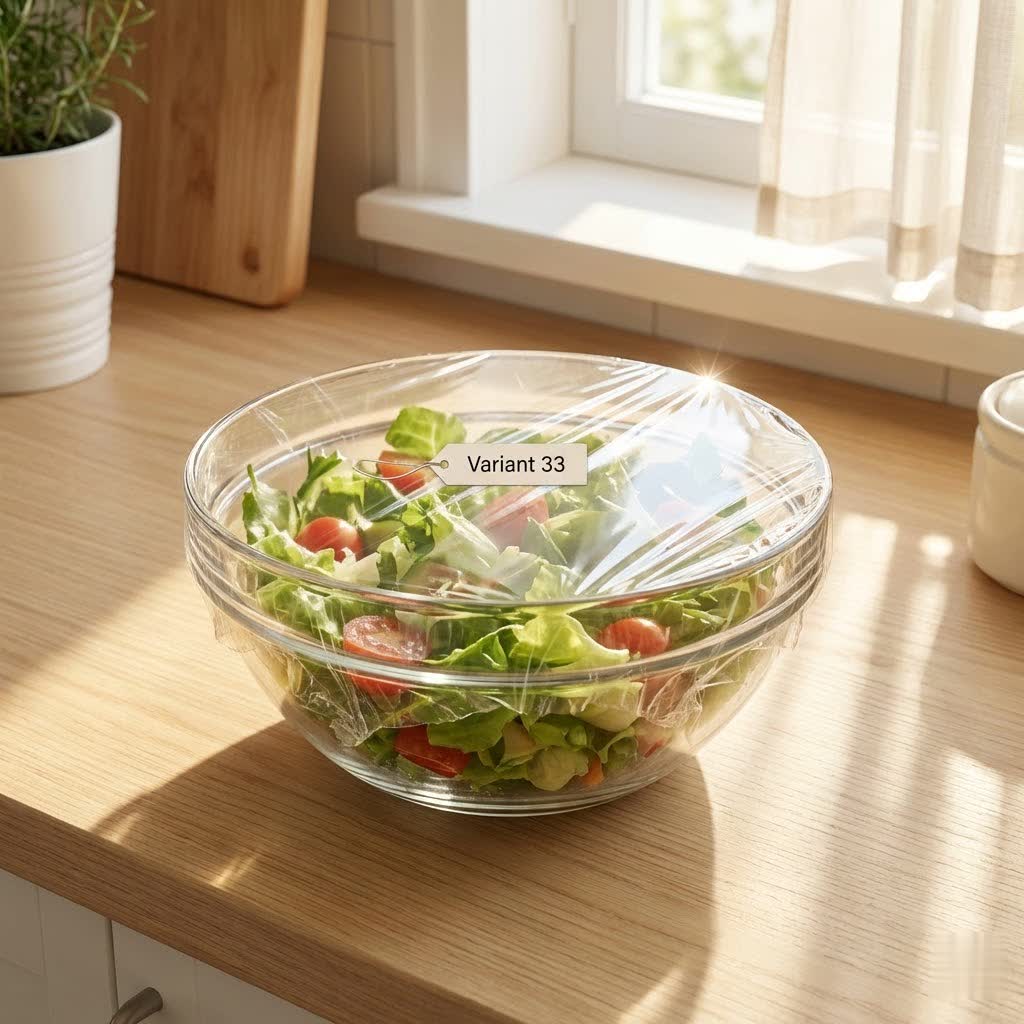
Regular plastic wrap, or cling film, can be a contentious topic in sous vide. While not recommended as the primary sealing method, it has specific uses in professional kitchens. It can be employed to help food retain its shape (e.g., a roulade or a delicate fish fillet) or to prevent herbs and spices from leaving indentations on the food’s surface, often used inside a vacuum bag or zipper-top bag for an extra layer of protection.
- Safe Types: The safety of plastic wrap largely depends on its material. Polyethylene (PE) based wraps, like certain varieties of Saran Wrap or Glad Wrap, are generally considered safe for sous vide temperatures. Always check the product label for its material composition.
- Unsafe Types: You must avoid plastic wraps made from Polyvinyl Chloride (PVC). PVC often contains plasticizers, such as phthalates, that can leach into food at elevated temperatures. A quick way to identify PVC cling film is its distinct “shower curtain” smell; if it has no odor, it is likely polyethylene.
- Usage Caution: Plastic wrap alone does not provide a reliable, watertight seal for sous vide and should not be used as the sole barrier against the water bath. If using, ensure it is clearly labeled as microwave-safe and heat-resistant, and always double-bag within a more secure sous vide solution.
Reusable Silicone Bags
For those prioritizing environmental sustainability and long-term investment, reusable silicone bags are an excellent choice. Made from food-grade silicone, these bags are exceptionally durable and can withstand a wide range of temperatures, making them perfect for sous vide.
- Pros: They are eco-friendly, highly durable, and boast superior heat resistance. They are easy to clean, often dishwasher-safe, and can be reused countless times.
- Cons: They tend to be more expensive upfront than disposable plastic bags. Achieving a complete air seal can sometimes be more challenging than with a vacuum sealer, potentially requiring specific techniques or clips.
Other Wraps: Beeswax Wraps
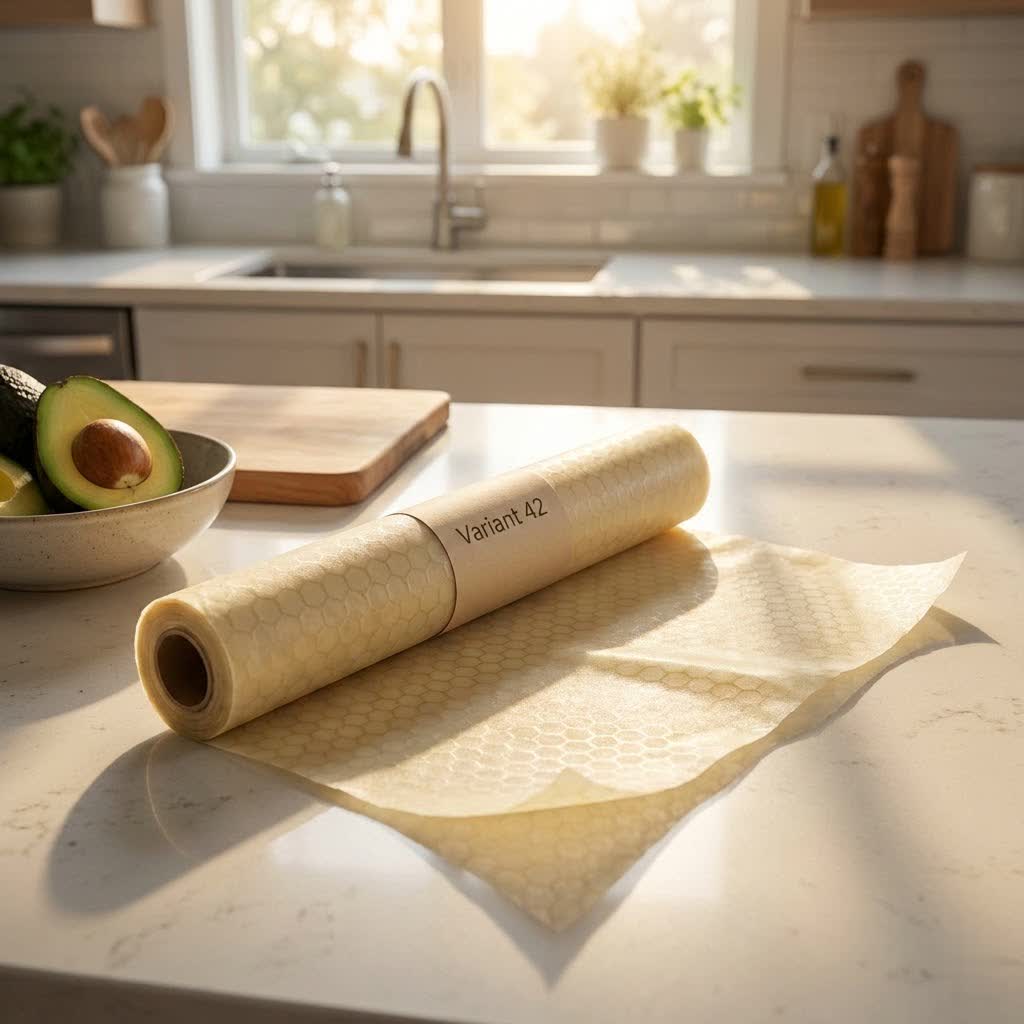
While popular for general food storage due to their eco-friendliness, beeswax wraps are generally not suitable for sous vide cooking. The beeswax and fabric construction cannot withstand the warm water temperatures of a sous vide bath without melting or losing integrity, and they do not provide the necessary airtight seal.
Key Criteria for Choosing a Safe Sous Vide Food Wrap
Making an informed decision about your sous vide food wrap involves evaluating several critical factors.
Material Composition: What to Look For
Prioritize wraps made from Polyethylene (PE), Nylon, or Food-Grade Silicone. These materials are generally recognized as stable and safe for the temperatures typically used in sous vide cooking.
Avoiding Harmful Chemicals
Always look for labels indicating “BPA-Free” and “Phthalate-Free.” These certifications are crucial as BPA and phthalates are common plasticizers that have raised health concerns regarding leaching into food, especially under heat. Additional certifications like LFGB (a German food contact grade standard) further assure product safety and quality.
Heat Resistance and Durability
Ensure your chosen wrap can withstand the specific temperatures of your sous vide recipe. Most sous vide cooking occurs between 130°F (54.5°C) and 195°F (90.5°C). While polyethylene can begin to soften around 195°F, specialized multi-layer bags (PE/nylon) are often rated for higher temperatures. A robust, puncture-resistant bag is also vital to prevent leaks and maintain a consistent cooking environment.
Certifications and Food-Grade Standards
Always opt for products that are explicitly labeled as “food-grade” and, ideally, carry certifications from reputable regulatory bodies like the FDA (Food and Drug Administration) or equivalent international standards. These certifications indicate that the materials have been tested and deemed safe for food contact under specified conditions.
Best Practices for Sous Vide Food Wrap Usage
Even with the right wrap, proper technique is crucial for both safety and optimal results.
- Ensuring a Proper Seal: Whether using a vacuum sealer or the water displacement method with zipper-top bags, meticulous air removal is paramount. Air pockets can lead to uneven cooking and potential buoyancy issues.
- Temperature Guidelines: Adhere to the manufacturer’s recommended temperature limits for your specific wrap. While most sous vide operates below critical plastic softening points, pushing these limits can compromise bag integrity and food safety.
- Pre-Chilling Food: Always vacuum-seal or bag food when it is chilled. Sealing food at room temperature can disrupt the delicate protein structure and, more importantly, can encourage the growth of spore-forming bacteria in the anaerobic environment.
- Safe Handling and Storage: Maintain strict hygiene throughout the preparation process. After cooking, if you’re not serving immediately, rapidly chill your food to prevent bacterial growth before refrigerating or freezing.
- When to Avoid Reusing Wraps: For safety, it’s generally best not to reuse single-use plastic bags that have been cooked in, especially at higher temperatures or for extended periods, as their integrity may be compromised. Reusable silicone bags are designed for repeated use and cleaning.
Environmentally Friendly Sous Vide Options
As we become more conscious of our environmental impact, considering sustainable options for sous vide is increasingly important. Reusable silicone bags stand out as the most eco-friendly choice. Their durability and longevity significantly reduce waste compared to single-use plastic bags. Investing in high-quality silicone bags not only benefits the planet but also offers a durable and safe cooking solution for years to come.
Conclusion
Choosing the Best Food Wraps For Sous Vide Cooking Safety is about making informed decisions. By understanding the different materials—favoring polyethylene, nylon, and food-grade silicone, and strictly avoiding PVC—you can minimize health risks and enhance your cooking experience. Always prioritize wraps that are explicitly labeled BPA-free, phthalate-free, and certified food-grade, paying close attention to their heat resistance. Adhering to best practices for sealing and temperature control will ensure your sous vide meals are not only perfectly cooked but also perfectly safe.
Embrace the precision and flavor of sous vide cooking with confidence, knowing you’ve made the safest choices for your kitchen and your family. What considerations will guide your next sous vide wrap purchase?
Frequently Asked Questions
Which food wrap brands are safest for sous vide?
For vacuum sealer bags, brands like FoodSaver, Weston, and Anova are widely trusted. For zipper-top bags, thicker varieties from reputable brands like Ziploc (Gallon Freezer Bags) and Glad (Press’n Seal for shaping, then secondary bag) made from polyethylene are generally safe. For reusable silicone, Stasher and Zip Top are popular, high-quality choices. Always verify the specific product’s material and safety certifications on the packaging.
Can I reuse sous vide bags?
Reusable silicone bags are designed for repeated use and are easy to clean. However, single-use plastic vacuum sealer bags or zipper-top bags should generally not be reused after cooking, especially when subjected to heat, as their structural integrity or chemical barrier might be compromised over time.
What temperature is too hot for standard plastic wrap in sous vide?
Standard polyethylene (PE) plastic wrap can begin to soften or lose integrity around 195°F (90.5°C). While most sous vide cooking temperatures are below this, it’s crucial to consult the manufacturer’s guidelines for any specific plastic wrap. PVC-based wraps should be avoided entirely for sous vide.
Is cooking in plastic at low temperatures truly safe?
Yes, when using food-grade, certified plastics like polyethylene (PE), nylon, or silicone, and adhering to recommended temperatures, cooking in plastic at low sous vide temperatures is widely considered safe. The primary concern is chemical leaching, which is significantly mitigated by using materials explicitly designed and certified for food contact and cooking.