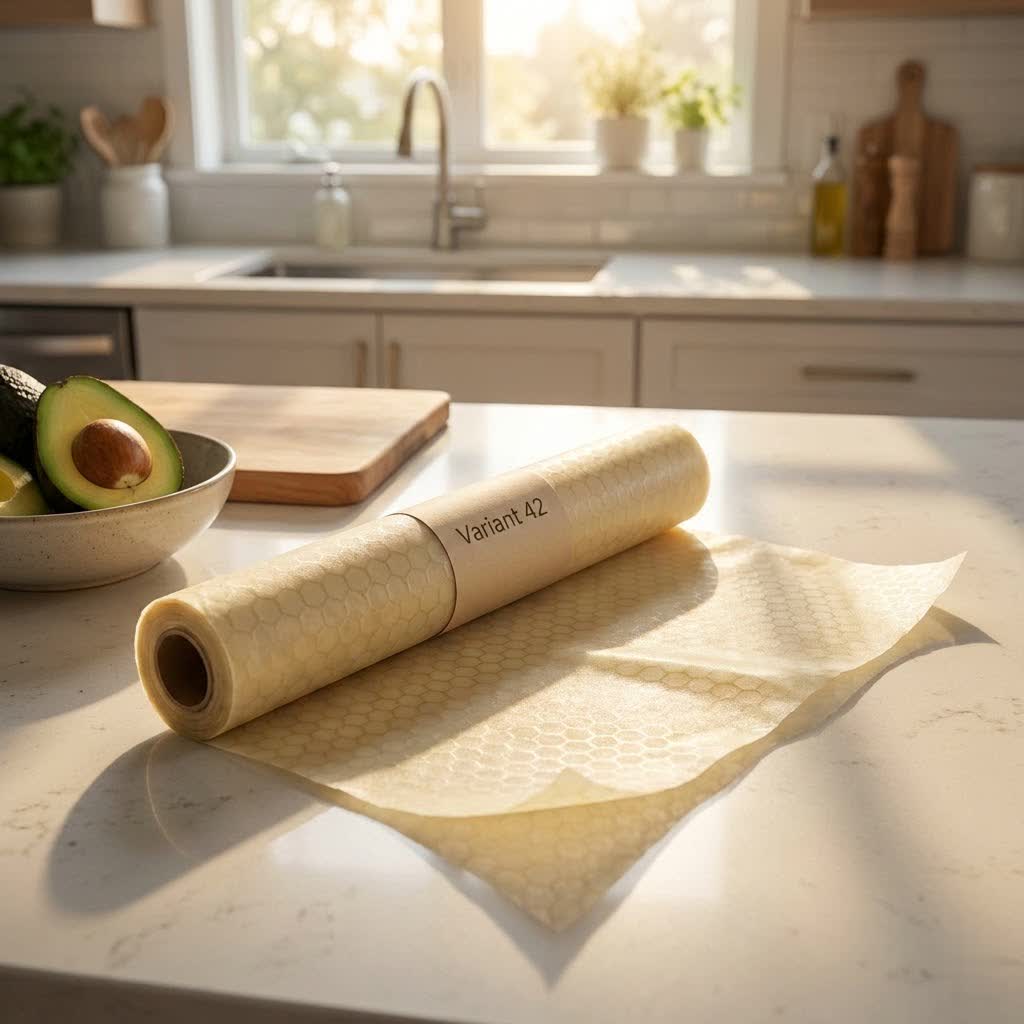
In a world increasingly conscious of its environmental footprint and ethical choices, the way we store our food has become a significant talking point. For years, plastic cling film has been a kitchen staple, offering convenience at a cost to our planet. Beeswax wraps emerged as a popular eco-friendly alternative, yet they weren’t suitable for everyone, particularly those following a vegan lifestyle. Enter vegan food wraps, a revolutionary plant-based solution offering the same convenience without animal products or plastic waste. These innovative wraps are transforming kitchens worldwide, providing a sustainable, reusable, and ethical way to keep food fresh.

Understanding Vegan Food Wraps: A Sustainable Choice
Vegan food wraps are ingenious, reusable food storage solutions crafted from natural, plant-derived ingredients. Unlike traditional plastic wraps that contribute to landfill waste and microplastic pollution, or beeswax wraps that utilize animal products, vegan wraps offer a truly ethical and eco-conscious option. They typically consist of an organic cotton fabric infused with a special blend of plant-based waxes, natural oils, and tree resins. This unique combination creates a pliable, self-adhesive wrap that can be molded around food and containers, forming a breathable seal that extends freshness. Choosing vegan alternatives helps reduce plastic dependency, supports animal welfare, and minimizes your carbon footprint, making them a powerful tool in a sustainable kitchen.
Types of Plant-Based Wax Food Wraps
The heart of a vegan food wrap lies in its plant-based wax coating, which provides its unique cling and preservative properties. Several types of vegan waxes are used, each offering distinct characteristics.
Candelilla Wax Wraps
Table is empty.Candelilla wax, derived from the leaves of the candelilla shrub native to Mexico and the southwestern United States, is a popular choice for vegan food wraps. It’s known for its hardness and high melting point, contributing to a durable wrap that maintains its structure well. Wraps infused with candelilla wax often feel slightly firmer than others but become pliable with the warmth of your hands. They effectively seal around food, preventing moisture loss while allowing food to breathe. Brands like Natissy utilize candelilla wax, combined with coconut oil and pine tree resin, to create their wraps.
Soy Wax Wraps
Soy wax, a byproduct of soybean oil, is another common plant-based wax used in vegan food wraps. It offers a softer, more flexible finish compared to candelilla wax, making wraps easier to mold and adhere. Soy wax wraps are generally very effective at creating a tight seal for various food items. When choosing soy wax wraps, it’s advisable to look for products that specify organic and non-GMO soy to ensure the highest quality and environmental standards. Green Wrap is an example of a brand that incorporates soy wax along with jojoba oil and tree resin in its vegan food wraps.
Other Plant-Based Options
While candelilla and soy waxes are prevalent, other plant-based waxes like carnauba wax (from the Brazilian palm tree) can also be found in some formulations, offering similar benefits. Beyond wax-coated fabrics, other vegan food storage alternatives include silicone wraps and various specialized fabrics designed for breathability and reusability, though these may function differently from wax-coated options.
Each wax type contributes to the wrap’s overall performance. Candelilla wax often results in a slightly stiffer, more resilient wrap, while soy wax can offer greater pliability. All aim to provide a safe, natural, and reusable barrier for your food, keeping it fresh without the need for plastics.
Key Criteria for Choosing High-Quality Vegan Food Wraps
Selecting the best vegan food wraps involves more than just picking a pretty pattern. Thoughtful consideration of several key criteria ensures you invest in a product that is safe, effective, and truly sustainable for your household.
Health and Safety
The primary concern for any food storage product is its safety for your health.
- Certifications: Look for wraps that boast certifications like FDA approval (for food contact) or LFGB (European food-grade standard). These indicate that the materials used meet strict safety guidelines.
- Avoiding Harmful Chemicals: Ensure the wraps are free from common toxins like BPA, phthalates, and lead. If choosing soy wax, verify that it’s non-GMO and organic to avoid potential pesticide residues. Reputable brands will clearly state their commitment to using only safe, natural ingredients.
Durability and Adhesiveness
A high-quality vegan food wrap should be both durable and effectively seal.
- Longevity: Good wraps are designed for repeated use, often lasting up to a year or more with proper care. They should withstand numerous washes and manipulations without losing their integrity.
- Cling Power: The wax and resin blend should provide sufficient tackiness to adhere securely to itself, creating a tight seal around food items and covering various bowl types. It should become pliable with the warmth of your hands and then hold its shape as it cools.
Heat Resistance
Understanding a vegan wrap’s heat resistance is crucial for safe usage.
- Microwave Safety: Most plant-based wax wraps are not recommended for microwave use. The waxes can melt, leading to mess and compromised functionality. Always check manufacturer instructions.
- Temperature Limits: Generally, keep wax wraps away from direct heat sources like hot water, ovens, and dishwashers to prevent premature melting or degradation of the wax coating. They are primarily designed for room temperature or refrigerator storage.
Convenience
Ease of use and maintenance contribute significantly to a product’s long-term appeal.
- User-Friendly: Wraps should be easy to mold and shape around food items.
- Cleaning: Simple hand washing with cold water and mild dish soap is usually all that’s required.
- Reusability: The core benefit of these wraps is their reusability, reducing the constant need for disposable plastic.
Top Vegan Food Wrap Brands Compared
The market for vegan food wraps is growing, with several brands offering excellent plant-based alternatives. Here’s a comparison of some notable options:
| Brand | Material | Sizes Available | Estimated Price (per set) | Pros | Cons |
|---|---|---|---|---|---|
| Natissy | Organic cotton, candelilla wax, coconut oil, pine tree resin | Assorted (XS, S, M, L) | Varies | Durable, strong seal, tested in EU, 100% organic cotton, varied patterns. | Slightly stiffer due to candelilla wax. |
| Green Wrap | Cotton, soy wax, jojoba oil, tree resin | Customizable | Starting ~$2.50 (wholesale) | Flexible, customizable colors/sizes, organic soy wax, supports local climate adjustment. | Primarily wholesale, direct consumer purchase less common. |
| Me Mother Earth | Plant-based wax (specific wax not detailed), cotton | Assorted (small, medium, large) | Varies | Good stickiness, appealing prints, 100% biodegradable, effective for cheese/vegetables. | Not recommended for meat, specific wax blend not always disclosed. |
Please note: Prices are estimates and can vary based on retailer, pack size, and promotions.
How to Properly Use and Care for Your Vegan Food Wraps
Getting the most out of your vegan food wraps involves understanding how to use them effectively and maintain them properly.
To activate your wrap, use the warmth of your hands to soften it, making it pliable. Then, simply mold it around the food item or over the opening of a bowl. The natural stickiness of the wax blend, combined with the pressure from your hands, will create a gentle but firm seal. This helps keep food fresh by allowing it to breathe without drying out, preserving its natural moisture and flavor. They are perfect for wrapping fruits, vegetables, blocks of vegan cheese, sandwiches, bread, and covering bowls of leftovers. It’s generally advised not to use them directly with raw meat or extremely wet foods.
Cleaning your wraps is straightforward. Hand wash them with cool water and a mild, alcohol-free dish soap. Avoid hot water, as it can melt the wax coating. Gently scrub if needed, then rinse thoroughly. After washing, hang them to air dry or lay them flat. Once completely dry, fold and store them in a drawer or a breathable container. With proper care, a good quality vegan food wrap can last for up to a year or even longer. If a wrap starts to lose its stickiness, some brands offer re-waxing kits, or you can even try a DIY re-waxing process. Keep them away from heat sources like microwaves, ovens, and dishwashers to prevent damage.
Environmental Impact: Why Vegan Wraps Matter
The shift towards vegan food wraps is more than just a kitchen trend; it’s a significant step towards a more sustainable future. Traditional plastic cling film, made from petroleum, is a single-use product that can take hundreds of years to decompose, fragmenting into harmful microplastics that pollute our oceans, soil, and even our bodies.
Vegan food wraps offer a powerful counter-narrative. Made from renewable resources like plant waxes and organic cotton, they are typically 100% biodegradable and compostable at the end of their long lifespan. By opting for these reusable alternatives, you directly reduce the demand for new plastic production, divert waste from landfills, and mitigate the environmental damage associated with plastic pollution. Every wrap used in place of a plastic sheet contributes to a healthier planet, aligning with a broader movement towards zero-waste living and responsible consumption.
Where to Buy Vegan Food Wraps?
Finding quality vegan food wraps is becoming increasingly easy as consumer demand for sustainable products grows.
- Online Retailers: Major online marketplaces like Amazon, Etsy, and specialty eco-friendly websites are excellent places to find a wide variety of brands, designs, and sizes. Look for retailers that specialize in zero-waste or vegan products for a curated selection.
- Health Food Stores: Many natural grocery stores and health food shops stock vegan food wraps alongside other sustainable kitchen essentials.
- Zero-Waste Shops: Dedicated zero-waste stores, both online and brick-and-mortar, are prime locations for discovering ethically sourced and high-quality vegan wraps.
When purchasing online, always check product descriptions carefully for material composition, care instructions, and safety certifications. Reading customer reviews can provide valuable insights into a wrap’s performance and durability in real-world use.
Vegan Food Wrap Buying Guide
Navigating the options for vegan food wraps can feel overwhelming, but a simple guide can help you make an informed decision.
- Identify Your Usage Needs: Consider what you’ll primarily be wrapping. Do you need larger wraps for loaves of bread or casserole dishes, or smaller ones for fruits and snacks? This will influence the sizes and quantities you should look for.
- Choose the Right Material: Decide between candelilla wax (firmer, very durable) or soy wax (more pliable, easier to mold). Check if the cotton is organic and if other oils and resins are sustainably sourced.
- Consider Sizes and Sets: Many brands offer assorted packs, which are a great starting point. Ensure the sizes included will be practical for your everyday needs.
- Read Product Information Thoroughly: Always scrutinize the ingredient list for transparency. Look for details on certifications (like FDA approval), absence of harmful chemicals, and specific care instructions.
- Consult User Reviews: Peer experiences can highlight real-world performance, durability, and any specific quirks of a product. Look for consistent feedback regarding stickiness, longevity, and ease of cleaning.
Conclusion
Vegan food wraps represent a simple yet impactful shift towards a more sustainable and ethical kitchen. By embracing plant-based wax alternatives, you not only keep your food fresh but also actively participate in reducing plastic waste and supporting environmentally conscious practices. These reusable, biodegradable wraps offer a tangible way to align your daily habits with your values, proving that convenience and sustainability can indeed go hand-in-hand.
Have you considered making the switch to vegan food wraps in your kitchen?
Frequently Asked Questions
Are vegan food wraps truly safe for food storage?
Yes, high-quality vegan food wraps are made from natural, food-grade ingredients like organic cotton, plant waxes (candelilla or soy), natural oils, and tree resin. They are typically free from harmful chemicals found in plastic wrap, such as BPA and phthalates, making them a safe and healthy choice for preserving a variety of foods.
How long do vegan food wraps last?
With proper care, vegan food wraps can last for up to one year, sometimes even longer. Their lifespan depends on the quality of materials, frequency of use, and adherence to cleaning guidelines. When they lose their stickiness, some wraps can be re-waxed, or they can be composted.
Can you microwave vegan food wraps?
No, vegan food wraps are generally not safe for microwave use. The plant-based waxes used in their construction can melt when exposed to high heat, compromising the wrap’s integrity and potentially creating a mess. Always keep them away from microwaves, ovens, and hot water.
How do you clean vegan food wraps?
To clean your vegan food wraps, simply wash them gently by hand using cool or cold water and a mild, alcohol-free dish soap. Avoid hot water. After washing, rinse them thoroughly and hang them to air dry completely before folding and storing them. Do not use abrasive scrubbers.
What’s the difference between vegan and beeswax wraps?
The primary difference lies in their wax coating. Beeswax wraps use beeswax, which is an animal product, making them unsuitable for vegans. Vegan food wraps, on the other hand, use plant-derived waxes such as candelilla wax or soy wax, along with other plant-based ingredients, to achieve a similar pliable and adhesive quality. Both types offer eco-friendly, reusable alternatives to plastic.