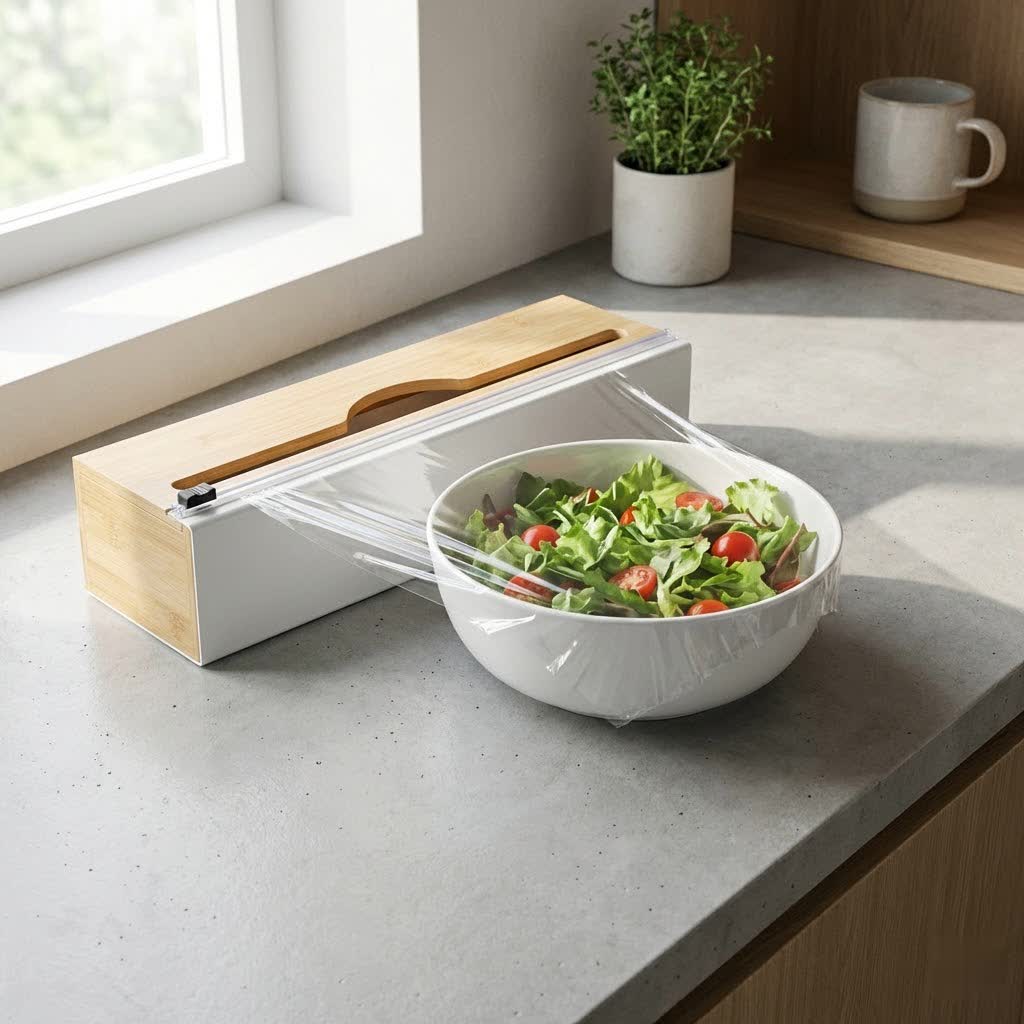
The moment you reach for a fresh sheet of plastic wrap, ready to seal in the freshness of your leftovers, and instead, you’re met with a frustrating, crumpled mess, is a universal kitchen annoyance. That seemingly simple tool can quickly transform into a sticky, tangled nightmare, testing the patience of even the most seasoned home cooks. But what if there was a way to effortlessly untangle that cling film and even prevent future mishaps? This guide will unveil ingenious DIY hacks and smart strategies to make your plastic wrap experience smooth, swift, and stress-free, turning tangled frustrations into a thing of the past.
Understanding the Tangle: Why Does Plastic Wrap Get So Annoying?
Before diving into solutions, it’s helpful to understand the root cause of the plastic wrap tangle. The primary culprit is static electricity. Plastic wrap, often made from polyethylene (PE) or polyvinyl chloride (PVC), is designed to cling to surfaces. This clinginess is a result of its molecular structure and the static charge that builds up when the film is unrolled or handled. As you pull a sheet from the roll, friction creates an electrostatic charge, causing the lightweight plastic to attract itself, making it notoriously difficult to separate once it folds in on itself. Humidity can also play a role, sometimes exacerbating the issue by creating a slightly damp surface that enhances stickiness. Understanding this static-driven behavior is the first step to mastering the art of untangling and smooth usage.
The Ultimate DIY Fix: The Freezer Trick
The most lauded and effective DIY solution for overly clingy or tangled plastic wrap lies in a surprising kitchen appliance: your freezer. This simple hack targets the static electricity that causes the wrap to stick to itself, making it much easier to handle.
How It Works
Table is empty.When plastic wrap is exposed to cold temperatures, the static charge that causes it to cling so aggressively is significantly reduced. The cold temporarily alters the film’s properties, diminishing its stickiness and making it less prone to self-adhesion. This allows you to unroll, separate, or even untangle a crumpled piece with remarkable ease. It’s a temporary change, as the wrap will regain its clinginess as it warms up, but that’s precisely what you want for effective food sealing.
Step-by-Step Guide to the Freezer Trick
- Locate the Tangled Roll or Sheet: Whether it’s a completely snarled sheet or a roll that just won’t cooperate, grab your problematic plastic wrap.
- Place in the Freezer: Put the entire roll of plastic wrap, or the tangled sheet, into your freezer. There’s no need to remove it from its box or do anything special.
- Chill for a Few Minutes: Let it sit in the freezer for approximately 5 to 15 minutes. For a roll, 10-15 minutes is usually sufficient. For a single tangled piece, even 3-5 minutes might do the trick. You don’t want it to freeze solid, just to cool down significantly.
- Remove and Untangle/Use: Take the wrap out of the freezer. You’ll immediately notice a remarkable difference. The plastic will feel less “grabby” and much easier to manipulate. You should now be able to gently pull apart the tangled sections or easily unroll a stubborn roll without it instantly collapsing on itself.
Benefits: Quick, Effective, and Simple
This method is a game-changer for several reasons. It’s incredibly quick, offering a solution in mere seconds once the wrap is chilled. It’s highly effective, directly addressing the static cling problem. And perhaps best of all, it’s remarkably simple, requiring no special tools or complex techniques – just your freezer. This trick not only helps untangle existing messes but can also be used as a preventative measure if you consistently struggle with static cling. Many households find keeping their plastic wrap in the freezer permanently significantly improves their experience.
Beyond the Freezer: Smart Strategies to Prevent Future Tangling
While the freezer trick is an excellent rescue mission for already tangled wrap, a proactive approach can save you countless moments of frustration. Implementing a few simple habits and techniques can largely prevent plastic wrap from tangling in the first place.
Tip 1: Fold a “Starter Tab”
One of the most common frustrations is losing the end of the plastic wrap, leading to endless searching and often, tearing. To prevent this, after each use, simply fold a small portion (about half an inch to an inch) of the end of the plastic wrap over itself. This creates a small, non-sticky tab that is always easy to find and grasp, ensuring a smooth start next time you need it. This takes less than a second but offers immense convenience.
Tip 2: Master Your Dispenser
The humble plastic wrap dispenser is often overlooked, but it plays a crucial role in preventing tangles and tears.
- Sharp, Smooth Blade: Ensure the cutting blade on your dispenser is sharp and free of nicks. A dull or damaged blade can cause the wrap to tear unevenly, leading to crumpled edges that are prime for tangling. If your current dispenser has a flimsy or ineffective blade, consider investing in a higher-quality dispenser or a brand of wrap with a robust, built-in cutter. Some dispensers feature a slide-cutter mechanism, which provides a clean, straight cut every time, drastically reducing the chances of uneven tearing and subsequent tangling.
- Gentle, Steady Pulling: Avoid yanking the wrap from the roll. A quick, aggressive pull can cause the film to stretch, wrinkle, and tear haphazardly. Instead, apply a gentle, steady pull across the cutting blade. This ensures a clean separation and maintains the integrity of the film, making it less likely to self-adhere in unwanted ways.
Tip 3: The Sticky Tape Hack
If you’ve already lost the end of your plastic wrap within the roll, and it’s frustratingly invisible, a piece of sticky tape can come to your rescue. Take a small piece of clear tape and gently press it onto the edge of the roll where you suspect the end might be. The tape’s adhesive will often pick up the elusive edge, allowing you to peel it away from the roll easily. This is a quick and effective workaround when the “starter tab” wasn’t applied or has been lost.
Tip 4: Optimal Storage
While the freezer is great for reducing clinginess, consistent storage can also impact ease of use.
- Cool, Dry Place: Generally, store your plastic wrap in a cool, dry place. Excessive moisture or heat can sometimes affect the film’s properties, potentially making it more difficult to handle.
- Permanent Freezer Storage: As mentioned, many users find that keeping the entire roll of plastic wrap in the freezer permanently makes it consistently less clingy and easier to manage. If you don’t mind the slight reduction in immediate cling when you first take it out, this can be an excellent preventative measure for ongoing ease of use.
Tip 5: Smooth Surfaces for Application
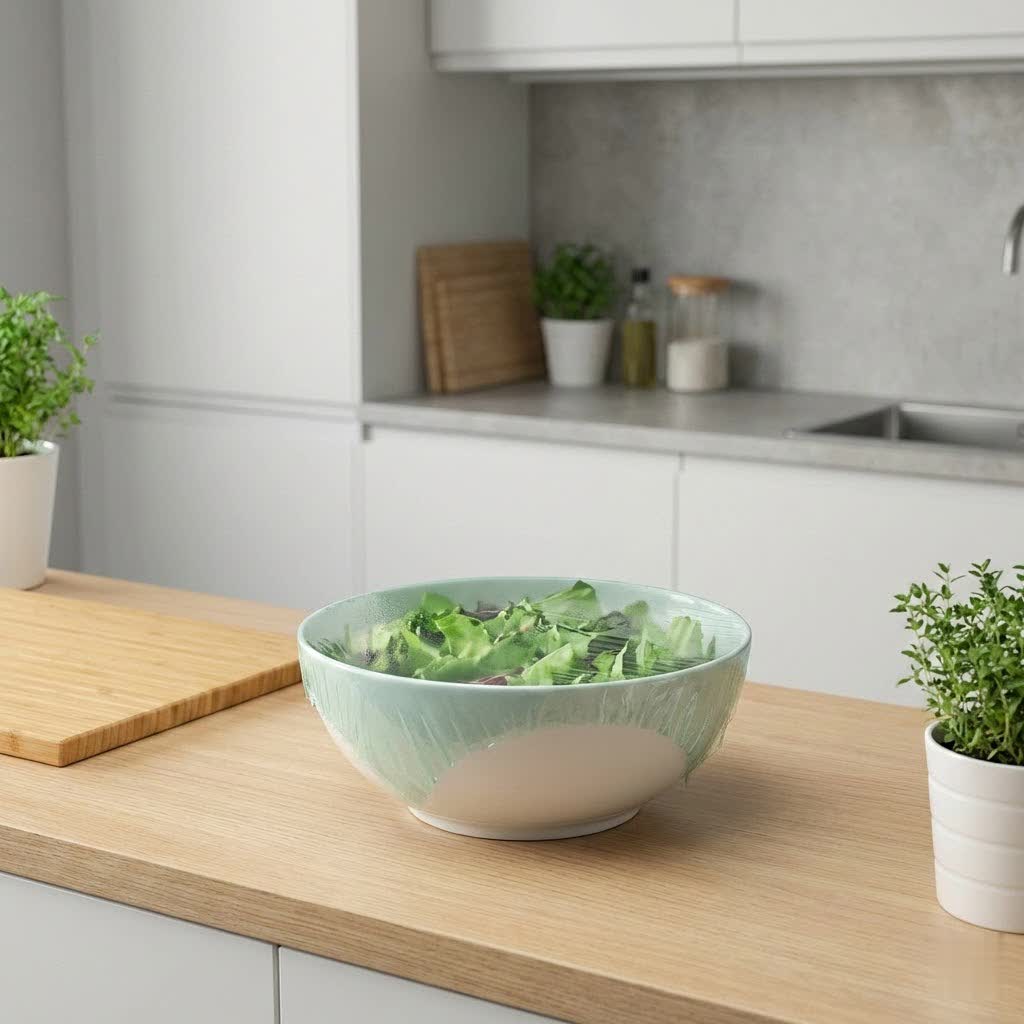
When you’re trying to cover a dish, lay the plastic wrap on a clean, flat, smooth surface like a countertop. This provides a stable base and prevents the wrap from immediately clinging to itself or other objects before you’ve had a chance to apply it to your food. Carefully stretch the film over your container from this flat base for a smoother application.
Tip 6: Be Mindful of Sharp Edges
When wrapping items with sharp corners or irregular shapes, such as a plate of cake or a casserole dish with handles, the plastic wrap can snag and tear. This tearing can quickly lead to a crumpled, tangled mess. Try to gently round the edges of the food if possible, or use a slightly larger piece of wrap than you think you need to allow for some slack. For very sharp edges, you might consider placing a small piece of parchment paper or aluminum foil over the sharpest points before applying the plastic wrap to prevent punctures.
Choosing the Right Wrap: Does Material Matter?
While the tips above apply to most standard plastic wraps, understanding the different types can offer further insights. The two most common types are Polyethylene (PE) and Polyvinyl Chloride (PVC).
- Polyethylene (PE) Wrap: This is generally considered safer for food contact as it doesn’t contain phthalates, which are sometimes found in PVC. PE wrap is typically less “clingy” than PVC, which can be a double-edged sword: it might be easier to handle and less prone to aggressive tangling, but it might also offer a slightly less robust seal.
- Polyvinyl Chloride (PVC) Wrap: Known for its superior cling and stretch, PVC wrap forms a very tight seal, making it excellent for food preservation. However, this heightened clinginess can also make it more susceptible to static build-up and frustrating tangles. Some PVC wraps may contain plasticizers like phthalates, though many brands now offer phthalate-free versions.
For tackling tangles, the freezer trick works effectively for both types, as it targets the static electricity regardless of the polymer. However, if you find PVC wrap consistently more frustrating due to its inherent cling, you might consider switching to a high-quality PE wrap that still offers good sealing properties but with a little less aggressive stickiness.
Expert Insights on Food Preservation
Effective food preservation goes hand-in-hand with functional kitchen tools. As an experienced technician in kitchenware and food wrap, I can affirm the critical role these simple tools play.
“Plastic wrap, when used correctly, is an indispensable tool for preserving food freshness, preventing spoilage, and significantly reducing household food waste. A smooth, untangled piece ensures an airtight seal, safeguarding your meals and extending their shelf life.”
This highlights that while tangles are annoying, the underlying purpose of plastic wrap – to protect your food – is incredibly important. Mastering its use is key to a well-run kitchen.
DIY Plastic Wrap Alternatives: A Sustainable Approach
For those looking to avoid plastic wrap tangles altogether, or simply seeking more eco-friendly options, several alternatives are available that eliminate the cling film struggle.
- Silicone Lids: Reusable silicone lids come in various sizes and can stretch to fit bowls, cups, and even cut fruits. They create an airtight seal and are incredibly durable, washable, and reusable.
- Beeswax Wraps: Made from cotton fabric infused with beeswax, jojoba oil, and tree resin, these wraps are moldable, breathable, and naturally antibacterial. They use the warmth of your hands to create a seal and can be washed and reused for months.
- Reusable Containers: Glass or BPA-free plastic containers with airtight lids are a straightforward way to store leftovers without any cling film hassle. Investing in a good set of these can dramatically reduce your reliance on disposable wraps.
These alternatives not only solve the tangling problem but also contribute to a more sustainable kitchen, reducing single-use plastic waste.
Conclusion
Tangled plastic wrap doesn’t have to be a source of constant kitchen frustration. By understanding the simple science behind static cling and implementing a few clever DIY solutions and preventative measures, you can transform your experience. The freezer trick remains your ultimate rescue mission, swiftly reducing cling and making unwieldy wrap manageable again. Coupled with mindful handling, the use of starter tabs, and a sharp dispenser, you can ensure smooth sailing every time you reach for a roll. Whether you opt for these quick fixes or explore sustainable alternatives, embracing these strategies means you can keep your food fresh without the fight. What will be your go-to hack to conquer cling film chaos?
Frequently Asked Questions
Why does plastic wrap stick to itself so much?
Plastic wrap sticks to itself primarily due to static electricity. When the film is pulled from the roll, friction generates an electrostatic charge, causing the lightweight plastic to attract and adhere to itself, leading to frustrating tangles and clumps.
How long should I put plastic wrap in the freezer?
For effective untangling or to reduce stickiness, place your plastic wrap roll or tangled sheet in the freezer for about 5 to 15 minutes. This duration is usually sufficient to temporarily reduce the static charge without fully freezing the plastic.
Does refrigerating plastic wrap help?
Yes, refrigerating plastic wrap can also help reduce its clinginess, though typically less dramatically than the freezer. The cooler temperature in the refrigerator still helps to diminish static electricity, making the wrap easier to handle and less prone to tangling.
What’s the best way to cut plastic wrap without it tangling?
The best way to cut plastic wrap without tangling is to use a dispenser with a sharp, smooth blade or a slide-cutter mechanism. Pull the wrap gently and steadily across the cutter for a clean, even tear, and always consider folding a small “starter tab” at the end for easier access next time.