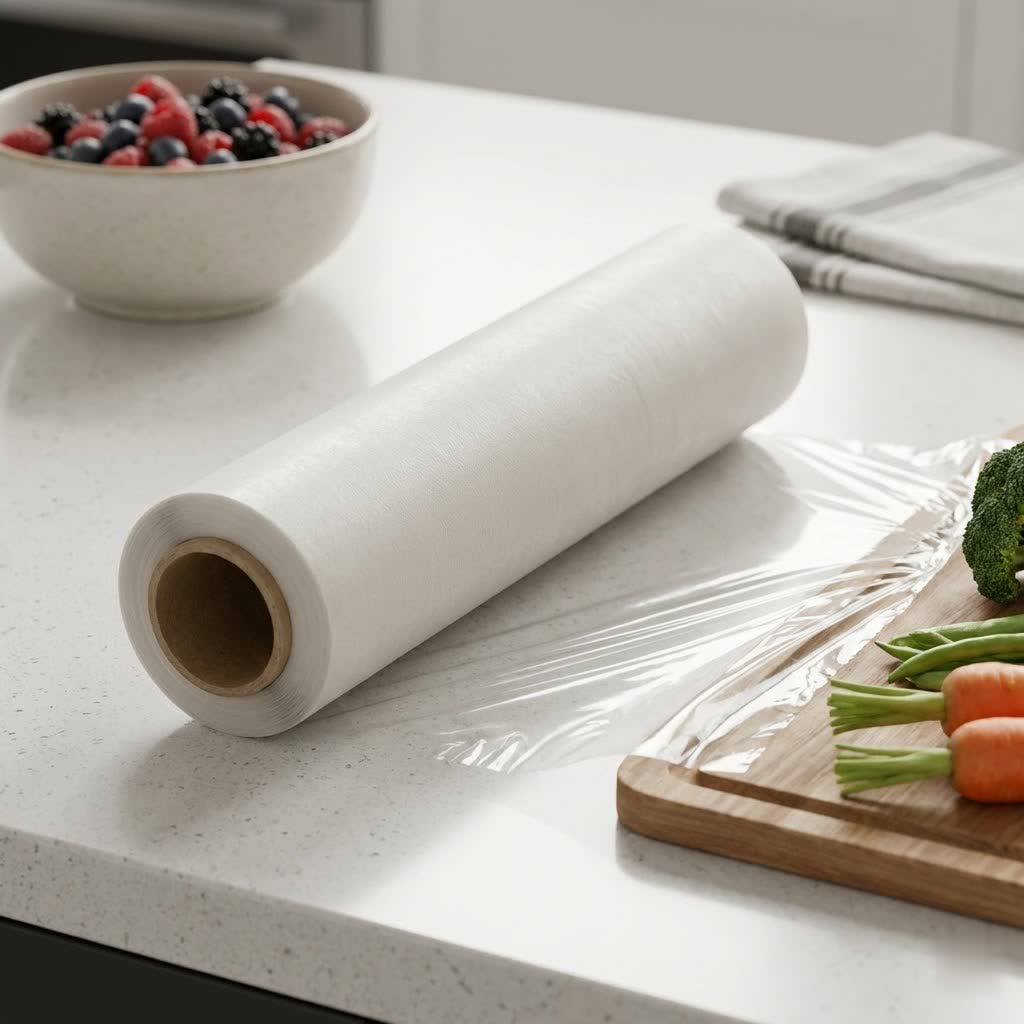
Few kitchen frustrations compare to the battle with plastic wrap. You pull out a fresh sheet, ready to seal in freshness, only for it to instantly fold, wrinkle, and cling to itself in an unmanageable mess. This common annoyance not only wastes precious wrap but also dampens your cooking efficiency. As a seasoned kitchen professional with over a decade of experience, I’ve tested countless food preservation solutions. This guide will equip you with proven strategies and insights to master plastic wrap, ensuring a smooth, secure seal every time, without the exasperating bunching.
Understanding Plastic Wrap: More Than Just a Cover
Plastic wrap, also known as cling film, is a staple in most kitchens, primarily used for sealing food items to keep them fresh and prevent spoilage. While its convenience is undeniable, understanding its composition can shed light on why it sometimes misbehaves. Most commercial plastic wraps are made from either Low-Density Polyethylene (LDPE) or Polyvinyl Chloride (PVC). PE wraps are generally considered safer for food contact and microwaving, while PVC wraps often offer superior clinginess due to their chemical structure and higher static charge, though concerns about phthalates have led to a decline in their use in some regions.
The clinginess of plastic wrap is often attributed to static electricity. When the film is unrolled, friction generates a static charge, causing it to attract to itself and other surfaces. While this property is essential for sealing, an excessive or uncontrolled static charge is the primary culprit behind the frustrating bunching and sticking that makes it so difficult to handle. Newer innovations, including silicone and beeswax wraps, offer reusable alternatives that bypass this static issue entirely, providing a different approach to food preservation.
Choosing the Right Plastic Wrap for a Hassle-Free Experience
Selecting the right plastic wrap is the first step toward minimizing frustration. It’s not just about brand; it’s about material, design, and specific features that can make a world of difference in your kitchen. Prioritizing certain aspects can transform your experience from a wrestling match to a seamless seal.
Safety First: Health Certifications and Harmful Substances
Table is empty.While less directly related to bunching, safety is paramount. Always check for certifications like FDA (Food and Drug Administration) or LFGB (Lebensmittel-, Bedarfsgegenstände- und Futtermittelgesetzbuch) which indicate compliance with food safety standards. Opt for wraps free from BPA (Bisphenol A) and phthalates, especially if you plan to use them with warm food or in the microwave. PE-based wraps are generally a safer choice for daily use, although some PVC formulations are also deemed safe for food contact under specific conditions.
Durability and Clinginess: The Key to Preventing Bunching
A high-quality plastic wrap should strike a balance between durability and appropriate cling. If the wrap is too thin or tears easily, it will inevitably bunch and rip before you can get a good seal. Look for wraps that feel robust yet pliable. The cling factor is crucial: it needs to adhere well to surfaces like glass, ceramic, and itself without being excessively sticky on the roll. Wraps designed for superior adhesion will create a tighter seal, minimizing air exposure and keeping your food fresher for longer.
Heat Resistance for Microwave Use
For those who frequently reheat food, heat resistance is a practical consideration. Check the product labeling to confirm if the plastic wrap is microwave-safe and the maximum temperature it can withstand. While not directly preventing bunching, knowing its heat tolerance ensures you’re using the right tool for the job, preventing melting or chemical leaching.
User Convenience: Dispensers and Ease of Use
The design of the packaging and cutter can dramatically impact your plastic wrap experience. Many premium brands now offer built-in slide cutters instead of traditional serrated edges, providing a much cleaner, straighter cut and reducing the likelihood of the wrap tearing or crumpling. Some innovative dispensers even allow for one-handed operation, simplifying the entire process and making it easier to manage unruly sheets.
Top Plastic Wrap Brands: A Comparative Look
Choosing from the myriad of plastic wrap brands can be daunting. While direct “bunching” statistics are not typically published, general user experience and design features offer valuable insights. Here’s a comparative overview of some popular types and their characteristics that impact ease of use:
| Brand/Type | Material | Size (Approx.) | Estimated Price (Per Roll) | Advantages | Disadvantages |
|---|---|---|---|---|---|
| Standard PE Wrap | Polyethylene (PE) | 30cm x 75m | $3 – $5 | Cost-effective, generally microwave-safe | Moderate cling, can tear easily |
| Premium PVC Wrap | Polyvinyl Chloride (PVC) | 30cm x 100m | $5 – $8 | Excellent cling, strong adhesion | Potential phthalate concerns |
| Slide-Cutter Dispenser | Various (PE/PVC) | 30cm x 60m | $7 – $12 | Clean cuts, reduces tearing/bunching | Higher initial cost, larger footprint |
| Silicone Lids | Silicone | Various | $15 – $30 (for a set) | Reusable, no bunching, airtight seal | Not a “wrap,” higher upfront cost |
| Beeswax Wraps | Cotton, beeswax, jojoba oil | Various | $10 – $25 (for a set) | Eco-friendly, reusable, moldable | Requires warmth to seal, less clingy |
Note: Prices are illustrative and can vary significantly based on region and retailer.
How to Use Plastic Wrap the Right Way to Avoid Bunching
Even the best plastic wrap can become a tangled mess if not handled correctly. Adopt these expert techniques to ensure a smooth, secure seal every time.
The Freezer Trick: Reduce Static Electricity
This is arguably the most effective hack for dealing with unruly plastic wrap. The cold temperature in your freezer significantly reduces static electricity, making the wrap less prone to clinging to itself. Simply store your roll of plastic wrap in the freezer. When you need it, pull out a piece; it will be less sticky and easier to manage, allowing you to lay it flat before it warms up and regains its cling. You’ll be amazed at how quickly it becomes cooperative!
Invest in a Quality Dispenser
Forget the flimsy cardboard box with a dull serrated edge. A dedicated plastic wrap dispenser, especially one with a slide cutter, is a game-changer. These dispensers hold the roll securely, keep the wrap taut, and provide a clean, straight cut every time. This precision drastically minimizes the chances of the wrap tearing unevenly or crumpling into a sticky ball before it even reaches your dish. Professional kitchens often rely on industrial versions for this very reason.
Apply to the Dish Before Cutting
Instead of tearing off a piece of wrap and then trying to maneuver it onto a bowl, try this: pull the plastic wrap out from the roll, drape the leading edge over the container, and then use the cutter. This method ensures that the wrap is already aligned with your dish, reducing the air currents and handling that often lead to premature bunching. It offers more control and a smoother application.
Envelop Your Food Completely for Better Adhesion
For optimal cling and freshness, aim to completely cover your food or dish. Plastic wrap doesn’t just cling to glass or ceramic; it clings effectively to itself. By wrapping the item entirely so the wrap overlaps and adheres to itself, you create a more secure, airtight seal. For extra security, a “double-wrap” can significantly increase clinginess and prevent air from getting in.
A Wet Rim for Tricky Bowls
Some bowls, especially those with smooth, non-porous rims, can be notoriously difficult for plastic wrap to adhere to. For these stubborn containers, simply wet your finger and run it around the outside edge of the bowl. The slight moisture creates a surface that the plastic wrap can more readily stick to, ensuring a tight seal where it typically fails.
Eco-Friendly Alternatives to Traditional Plastic Wrap
While these tips help manage conventional plastic wrap, many are seeking more sustainable kitchen solutions. Fortunately, a range of eco-friendly alternatives offers similar benefits without the environmental impact or the inherent struggle with static.
Biodegradable and Compostable Wraps
Newer plastic wraps made from plant-based materials are designed to be biodegradable or compostable, breaking down more readily than traditional plastics. These options offer the convenience of single-use wrap with a reduced ecological footprint. However, their cling properties can vary, and they often come at a higher price point.
Reusable Silicone Lids and Covers
Silicone lids are a fantastic, long-lasting alternative. They come in various sizes, stretch to fit different containers, and create an airtight seal. They are durable, dishwasher-safe, and completely eliminate the issues of static, tearing, and single-use waste. While an upfront investment, they pay for themselves over time.
Beeswax Wraps
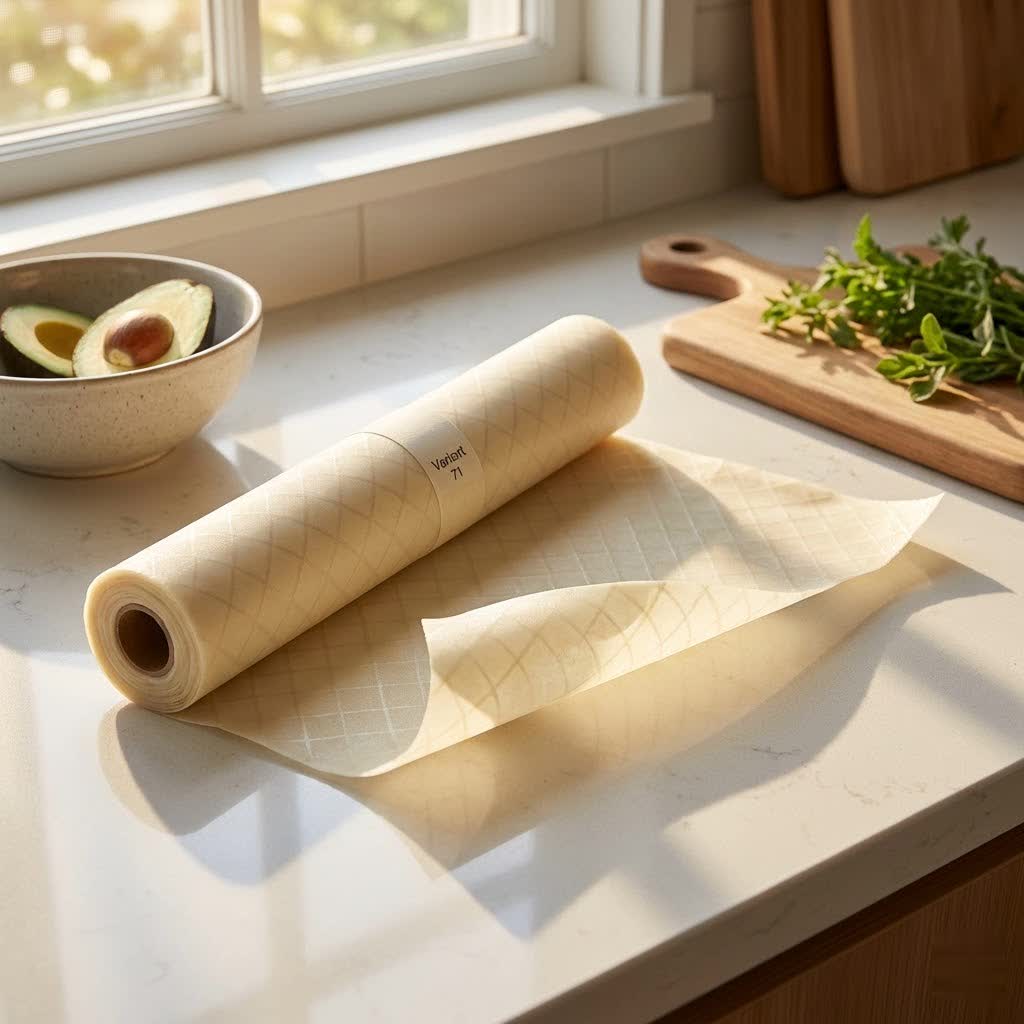
Crafted from cotton infused with beeswax, jojoba oil, and tree resin, beeswax wraps are pliable, reusable, and naturally antimicrobial. They mold to the shape of your food or container with the warmth of your hands, creating a breathable yet protective seal. They are excellent for wrapping sandwiches, fruits, vegetables, and covering bowls, offering a charming, rustic aesthetic. They are not microwave safe and require gentle hand washing.
Where to Find Your Food Wrap Solutions
Whether you’re stocking up on traditional plastic wrap or exploring sustainable alternatives, these products are widely available.
Supermarkets and hypermarkets are the most common places to find conventional plastic wrap from various brands. For specialized products like high-quality dispensers or eco-friendly options, consider kitchen supply stores, organic markets, or online retailers. When shopping online, always check product details, read user reviews, and verify certifications to ensure you’re getting a safe and effective product that meets your needs.
Buying Guide: Making the Smart Choice
Choosing the right food wrap involves more than just grabbing the first box you see. Consider these factors to make an informed decision:
- Define Your Needs: What will you primarily use the wrap for? Everyday leftovers? Freezing? Microwaving? The specific application will guide your choice of material and features.
- Material Matters: If you prioritize safety and microwave use, PE-based wraps are often preferred. For maximum cling, PVC might be your choice (with awareness of its drawbacks). For sustainability and zero-waste, silicone or beeswax wraps are ideal.
- Consider Size and Dispenser: Match the wrap size to your typical containers. If constant bunching is an issue, prioritize wraps with built-in slide cutters or invest in a separate high-quality dispenser.
- Read the Fine Print: Always check for safety certifications, ingredient lists (especially if avoiding certain chemicals), and specific usage instructions.
- Value User Reviews: Online reviews can provide practical insights into a product’s real-world performance, including how well it cuts, clings, and resists tearing or bunching.
“A well-chosen food wrap, coupled with correct usage techniques, not only preserves food freshness but also significantly reduces kitchen frustration and food waste.”
Conclusion
The battle against bunched plastic wrap is a common kitchen struggle, but it’s one you can win with the right knowledge and techniques. From the simple yet effective freezer trick to investing in a superior dispenser and understanding the nuances of different wrap materials, you now have a toolkit to ensure a smooth, secure seal every time. Embracing these strategies will not only save you time and reduce waste but also elevate your overall kitchen experience. And for those seeking a more sustainable path, the growing array of eco-friendly alternatives offers a promising future for food preservation.
What are your go-to strategies for keeping your plastic wrap perfectly behaved?
Frequently Asked Questions
What type of plastic wrap is safest for health?
Generally, polyethylene (PE) plastic wraps are considered the safest for food contact and microwave use, as they typically do not contain phthalates or BPA, which have raised health concerns with other plastic types like some PVC wraps. Always look for FDA or LFGB certifications and specific “BPA-free” and “phthalate-free” labeling.
Why does plastic wrap stick to itself so much?
Plastic wrap’s tendency to stick to itself is primarily due to static electricity. As the wrap is unrolled, friction generates an electrostatic charge that causes the film to cling strongly to itself and other surfaces. Humidity can also play a role in how pronounced this static effect is.
Can I put plastic wrap in the freezer?
Yes, you can and should store your roll of plastic wrap in the freezer. The cold temperature helps to reduce the static electricity that causes the wrap to stick to itself, making it much easier to unroll, handle, and apply smoothly without bunching.
How do I get plastic wrap to stick to a stubborn bowl?
If your plastic wrap isn’t sticking to a particular bowl, try lightly wetting the rim of the bowl with a damp finger or cloth. The slight moisture creates a surface that the plastic wrap can adhere to more effectively, helping to form a secure seal.
Are there good reusable alternatives to plastic wrap?
Absolutely! Reusable silicone lids are an excellent option for covering bowls and containers, offering an airtight seal and being dishwasher-safe. Beeswax wraps, made from cotton infused with beeswax, are also a popular eco-friendly choice for wrapping various food items and molding to containers.