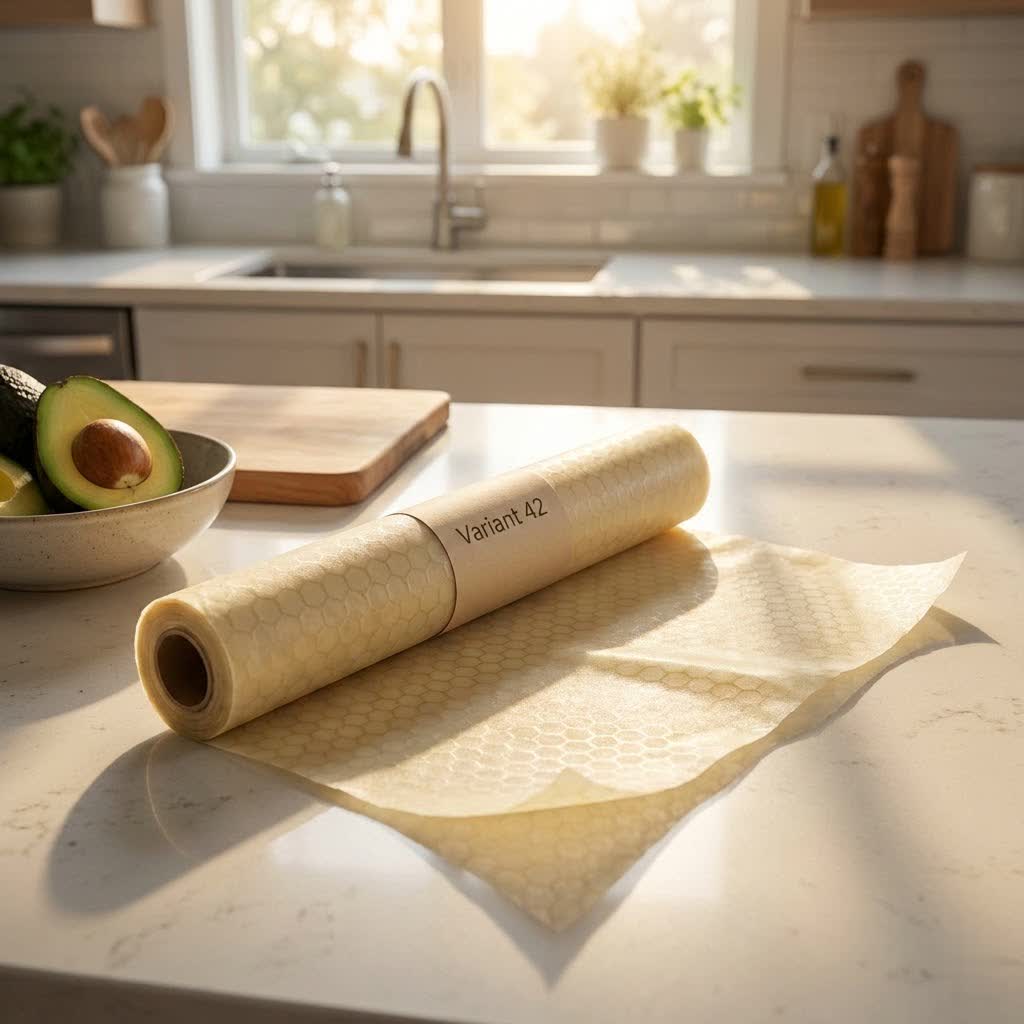
In our quest for a more sustainable lifestyle, beeswax wraps have emerged as a kitchen essential, offering a charming and effective alternative to single-use plastic. As an eco-conscious choice, these versatile wraps keep food fresh while significantly reducing waste. However, to truly embrace their benefits and ensure they serve your household for as long as possible, understanding the correct way to use and care for them is paramount. This guide, drawing on years of experience with kitchen essentials, will walk you through the proper techniques to maximize the lifespan and effectiveness of your beeswax wraps.
Understanding Beeswax Wraps: An Eco-Friendly Solution
Beeswax wraps are ingenious creations typically made from organic cotton infused with a blend of beeswax, tree resin, and natural oils like jojoba or coconut oil. This unique coating makes the fabric pliable, slightly sticky, and naturally antibacterial, allowing it to conform to the shape of food or containers and create a breathable seal. Unlike plastic wrap that contributes to landfill waste, beeswax wraps are washable, reusable, and compostable at the end of their life, making them a cornerstone of a plastic-free kitchen. They effectively preserve the freshness of a wide variety of foods, from crunchy vegetables to artisanal bread, reducing food waste along the way.
Types of Beeswax Wraps and Quality Criteria
While the core concept remains the same, beeswax wraps come in various sizes and patterns, designed to suit different food items and containers. From small squares perfect for half an avocado to large wraps ideal for a loaf of bread, the right size enhances usability.
Key Quality Criteria for Beeswax Wraps
Choosing high-quality beeswax wraps from the outset can greatly influence their longevity and performance.
- Material Composition: Look for wraps made with certified organic cotton and pure beeswax, often combined with tree resin for extra cling and jojoba or coconut oil for flexibility. These natural ingredients ensure food safety and durability.
- Coating Consistency: A well-made wrap will have an even, generous coating of the beeswax blend, which is crucial for effective sealing and preventing premature wear. This also makes them easier to refresh when they start losing their stickiness.
- Absence of Harmful Additives: While beeswax wraps are inherently natural, confirming that they are free from synthetic additives ensures the purest form of food preservation.
- Durability and Adhesiveness: A quality wrap should feel robust yet flexible, offering a good grip when molded around food or containers. This stickiness is vital for creating an airtight seal that keeps food fresh.
- Temperature Tolerance (or rather, sensitivity): While not a “resistance” in the traditional sense, understanding that beeswax wraps are sensitive to heat is a crucial quality criterion. High-quality wraps are designed to maintain their integrity under normal food storage temperatures but will soften or melt if exposed to heat.
Mastering the Use of Beeswax Wraps
Using beeswax wraps correctly is key to their effectiveness and longevity. The secret lies in the warmth of your hands.
Activating Your Wrap
Before wrapping, hold the beeswax wrap in your hands for a few seconds. The natural warmth from your hands will slightly soften the beeswax, making the wrap pliable and activating its natural tackiness. This makes it easier to mold and ensures a secure seal.
Proper Wrapping Techniques
Once softened, press the wrap around the food item or over the opening of a bowl. Use your hands to gently mold and press the wrap, creating a snug seal. The wrap’s natural stickiness will adhere to itself and to smooth surfaces like ceramic, glass, or stainless steel, forming a breathable barrier that keeps food fresh. You can fold the wrap over itself for items like sandwiches or press it directly onto surfaces.
What to Wrap (and What to Avoid)
Beeswax wraps are incredibly versatile for many food items:
- Ideal for: Sandwiches, snacks, cheese, fresh vegetables (like carrots, celery), fruits (apples, half avocados), bread, baked goods, and covering bowls of leftovers. They are excellent for keeping herbs and leafy greens crisp.
However, certain items and conditions should be avoided to protect your wraps and ensure food safety:
- Avoid Hot Food: Never use beeswax wraps with hot food or over hot dishes, as the heat will melt the wax and damage the wrap. Always allow food to cool completely before wrapping.
- Raw Meat and Fish: Do not use beeswax wraps directly with raw meat or fish. The antibacterial properties of beeswax are not sufficient to prevent potential bacterial contamination, and proper sanitization of the wrap afterwards is difficult. [cite: 2, 4, 1 (care)]
- Microwaves, Ovens, and Dishwashers: Exposure to high heat in these appliances will melt the beeswax and ruin your wraps. [cite: 1, 2, 4, 1 (care), 2 (care), 4 (care)]
- Highly Acidic Foods: Over time, acidic foods like pineapple or citrus fruits can break down the beeswax coating, reducing the wrap’s effectiveness. [cite: 1 (care)]
- High Oil Content Foods: Some sources suggest avoiding foods with a very high oil content, as this can also degrade the wax over time.
The Art of Cleaning and Caring for Beeswax Wraps
Proper cleaning and care are the cornerstones of extending the life of your beeswax wraps.
Gentle Washing
Always wash your beeswax wraps by hand using cool or lukewarm water. Hot water is the enemy, as it will melt the beeswax. Use a mild, eco-friendly dish soap or natural soap like castile soap. Gently wipe away any food residue with your hands, a soft cloth, or a sponge. Avoid abrasive scrubbers or harsh detergents that can wear down the wax coating. [cite: 1, 2, 3, 4, 5, 1 (care), 2 (care), 3 (care), 4 (care)] Rinse thoroughly with cool water to remove all soap residue. [cite: 1, 3, 4, 1 (care), 4 (care)]
Drying and Storage
After washing, allow your wraps to air dry completely. You can drape them over a dish rack, hang them on a clothesline, or lay them flat. Ensuring they are thoroughly dry before storing prevents mold or mildew. [cite: 1, 2, 3, 1 (care), 3 (care), 4 (care)] Once dry, fold them neatly and store them in a drawer, basket, or container. Keep them away from direct sunlight or heat sources like radiators or sunny windowsills, which can soften or melt the wax even when not in use. [cite: 1 (care), 3 (care)]
Common Mistakes to Avoid
To maintain the integrity of your wraps, always remember:
- No Hot Water: This is the most critical rule for cleaning.
- No Dishwashers or Microwaves: These will destroy your wraps.
- No Harsh Scrubbing: Gentle wiping is all that’s needed.
- No Wringing or Twisting: This can crack the beeswax coating. [cite: 1 (care)]
Extending Lifespan: Refreshing and Re-waxing
Even with the best care, beeswax wraps will naturally lose some of their stickiness and pliability over time, typically lasting anywhere from 6 months to 2 years depending on usage and initial quality. This doesn’t mean they are ready for the bin!
Signs Your Wrap Needs Refreshing
You’ll notice your wraps becoming softer, less tacky, developing creases, or not adhering as well as they used to. These are signs that they could benefit from a refresh.
Methods for Refreshing Your Wraps
You can easily revive your wraps with a fresh coating of beeswax:
- Beeswax Refresher Bars: These are specifically designed for re-waxing. Simply grate the bar onto your wrap and gently warm it to melt and spread the new wax. [cite: 4, 1 (care)]
- Oven Method: Place the wrap on a baking sheet lined with parchment paper in a low oven (around 150-200°F or 65-95°C) for a few minutes until the wax melts. Carefully remove and redistribute the wax with a brush or by lifting and tilting the wrap. [cite: 1, 1 (care)]
- Ironing Method: Place the wrap between two sheets of parchment paper and gently iron on a low heat setting to melt and redistribute the wax.
- Hairdryer Method: Lay the wrap flat and use a hairdryer on a low setting to gently melt and redistribute the existing wax.
When to Compost
Even after refreshing, wraps will eventually wear out. Signs that it’s time to retire them include visible tears or holes in the fabric, persistent odors that won’t wash away, or a complete loss of stickiness even after refreshing. The good news is that worn-out beeswax wraps are fully compostable, returning to the earth without harm, or can be repurposed as fire starters. [cite: 1, 4, 1 (care)]
Environmental Impact of Beeswax Wraps
Choosing beeswax wraps is a powerful statement against single-use plastic. By opting for these reusable alternatives, you actively participate in reducing plastic waste that pollutes our oceans and landfills. Their biodegradability ensures that at the end of their long life, they break down naturally, leaving no harmful footprint, a stark contrast to traditional plastic wraps that can take hundreds of years to decompose. Beeswax wraps are a simple yet effective step towards a greener, more sustainable household.
Buying Guide: Choosing Your Beeswax Wraps
When investing in beeswax wraps, consider these factors to ensure you select products that meet your needs and offer lasting value:
- Determine Your Needs: What will you primarily use them for? Sandwich wraps, bowl covers, or small snack pouches? This will guide your size selection.
- Check Ingredients: Prioritize wraps made with food-grade beeswax, organic cotton, and natural oils for safety and performance.
- Consider Size Assortments: Many brands offer multi-packs with various sizes, providing versatility for different food items.
- Read Reviews: Look for feedback on durability, stickiness, and ease of cleaning to gauge real-world performance.
- Shop Sustainably: Purchase from reputable brands known for their commitment to eco-friendly practices and ethical sourcing. Look for them in organic grocery stores, eco-friendly online shops, or directly from artisan makers.
Comparison Table: Key Features of Quality Beeswax Wraps
| Feature | Description | Benefit for Longevity |
|---|---|---|
| Material Quality | Organic cotton infused with pure beeswax, jojoba oil, and tree resin | Ensures flexibility, strong adhesion, and natural antibacterial properties, contributing to a longer lifespan. |
| Coating Thickness | An even and generous application of the wax blend across the fabric | Provides a better seal, slows down wear and tear from use, and makes wraps easier to refresh. |
| Size Variety | Available in assorted sizes (small, medium, large, extra-large) | Reduces the need to stretch or strain a single wrap for various items, allowing each wrap to serve its specific purpose optimally. |
| Pliability & Cling | Molds easily with hand warmth and maintains a firm seal without excessive pressure | Enhances ease of use and ensures a consistent, protective barrier for food, preventing early deterioration from excessive manipulation. |
Conclusion
Beeswax wraps are a remarkable innovation for any kitchen, blending functionality with environmental responsibility. By understanding how to properly use them—from activating their natural stickiness with the warmth of your hands to knowing what foods to wrap and what to avoid—you lay the groundwork for their long and effective service. Diligent care, including gentle washing in cool water, proper drying, and occasional refreshing, will significantly extend their lifespan, transforming them from a novelty into a lasting, indispensable tool in your eco-friendly home. Embrace these simple practices, and you’ll find your beeswax wraps not only keep your food fresher for longer but also contribute meaningfully to a healthier planet. What small change will you make today to foster a more sustainable kitchen?
Frequently Asked Questions
What should I avoid putting in beeswax wraps?
You should avoid wrapping raw meat or fish, hot foods, and highly acidic items like pineapple or citrus fruits. Also, never expose beeswax wraps to microwaves, ovens, or dishwashers, as high heat will melt the wax and ruin them.
How do I clean beeswax wraps to make them last longer?
Always wash your beeswax wraps by hand using cool or lukewarm water and a mild, eco-friendly dish soap. Gently wipe them clean with a soft cloth or sponge, rinse thoroughly with cool water, and then air dry completely before storing them. Avoid hot water, harsh scrubbing, and wringing.
Can beeswax wraps be refreshed when they lose their stickiness?
Yes, beeswax wraps can be refreshed! If they’ve lost their stickiness, you can use a beeswax refresher bar, gently warm them in a low oven between parchment paper, iron them on a low setting, or use a hairdryer to redistribute the existing wax. This process helps restore their cling and extends their life.
How long do beeswax wraps typically last?
With proper care, beeswax wraps can typically last anywhere from 6 months to 2 years. Their lifespan depends on factors like the quality of the materials, how frequently they are used, and how well they are cared for and refreshed.
Are beeswax wraps truly eco-friendly?
Absolutely. Beeswax wraps are made from natural, sustainable materials like organic cotton and beeswax, making them a reusable and compostable alternative to single-use plastic wrap. At the end of their life, they can be composted, returning to the earth without contributing to plastic pollution.