For many, cheese is more than just a food; it’s a culinary joy, an essential ingredient, and a delightful snack. Yet, the heartbreak of discovering a favorite block marred by unsightly mold is all too common. Keeping cheese fresh, flavorful, and free from spoilage can feel like a constant battle, especially with the diverse range of textures and types available. The good news? With the right knowledge and a few simple techniques, you can master the art of cheese storage, significantly extending its shelf life and preserving its exquisite taste. This comprehensive guide will equip you with expert tips and proven methods to properly wrap and store your cheese, ensuring every bite is as perfect as intended.
The Science Behind Cheese Mold: Why It Appears
Mold is a type of fungus that thrives in specific conditions, primarily moisture and oxygen. Cheese, being a dairy product, naturally contains moisture and is often exposed to air after its original packaging is opened, creating an ideal environment for mold spores to proliferate. Different cheeses have varying moisture levels and rinds, which influence their susceptibility to mold growth.
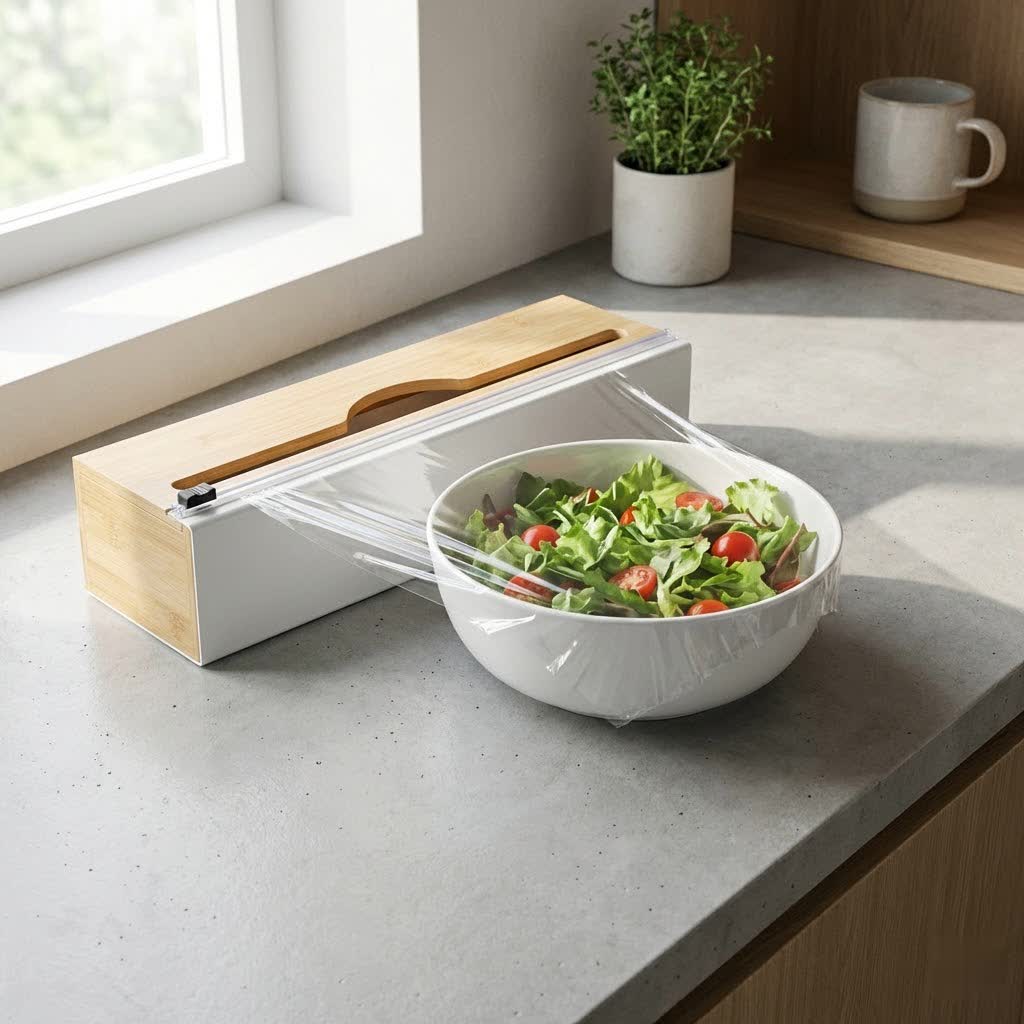
Traditional plastic wrap, while seemingly convenient, often contributes to mold problems. It seals cheese too tightly, trapping excess moisture directly against the surface, which can lead to a slimy texture and rapid mold development. Furthermore, plastic wrap can impart an unpleasant “plastic” flavor to the cheese over time, detracting from its natural taste.
Essential Wrapping Materials for Optimal Cheese Preservation
Choosing the correct wrapping material is the first crucial step in preventing mold and maintaining cheese quality. The goal is to allow the cheese to breathe without drying out.
Specialized Cheese Paper
- Description: This is often the best choice for many cheeses. Cheese paper is typically a two-ply material, combining a porous inner layer with a wax-coated outer layer.
- Benefits: It effectively regulates moisture and air exchange, allowing the cheese to respire while preventing excessive moisture loss or accumulation, which is key to inhibiting mold growth and preserving flavor.
Wax Paper
- Description: A common household item, wax paper is a good alternative to specialized cheese paper.
- Benefits: It allows the cheese to breathe sufficiently while offering protection against drying. Wrap the cheese tightly in wax paper to minimize air exposure, which can accelerate mold formation.
Parchment Paper
- Description: Similar to wax paper, parchment paper also works well for cheese storage.
- Benefits: It provides a breathable barrier, helping to prevent the cheese from drying out and staving off mold.
The Combination Method
For optimal results, especially with hard and semi-hard cheeses, consider a two-layer approach:
- Inner Layer: Wrap the cheese tightly in wax paper or parchment paper.
- Outer Layer: Place the paper-wrapped cheese into a partially sealed plastic bag or an airtight container. This provides an additional barrier against moisture loss without completely suffocating the cheese, preventing it from drying out while still allowing some air circulation.
Materials to Avoid (for long-term storage)
- Plastic Wrap: While convenient, plastic wrap traps moisture and can cause cheese to become slimy and develop an off-flavor. If you must use it, ensure it’s for very short-term storage (a few days) and wrapped tightly.
- Aluminum Foil: This material can prevent the cheese from breathing, leading to oxidation and the development of metallic or off-flavors.
Step-by-Step Guide to Wrapping Different Types of Cheese
The best wrapping method often depends on the type of cheese you’re storing.
Hard and Semi-Hard Cheeses (e.g., Cheddar, Gruyère, Parmesan)
These cheeses benefit most from breathable wraps.
- Cut Clean: Use a clean knife to cut a fresh surface, removing any potential surface contaminants.
- Wrap Tightly: Encase the cheese snugly in cheese paper, wax paper, or parchment paper. Aim for a tight seal that minimizes air pockets.
- Secure: Use a small piece of tape or an elastic band to hold the paper in place.
- Optional Second Layer: For added protection against drying, place the wrapped cheese inside a loosely closed plastic bag or a container with a small opening for air flow. You can also place a paper towel in the container to absorb any excess moisture.
Soft and Fresh Cheeses (e.g., Brie, Camembert, Mozzarella, Goat Cheese)
These cheeses are more delicate and have higher moisture content, making them prone to drying out and absorbing odors.
- Original Packaging is Best: If possible, keep soft cheeses in their original containers or brine, as these are designed to maintain their specific moisture levels.
- Tightly Wrapped Plastic (Short-Term): For opened soft cheeses, tight plastic wrap can be acceptable for short-term storage (a few days) to prevent drying out and absorption of odors. However, replace the plastic wrap frequently (every time you use it) to avoid trapped moisture and mold.
- Airtight Containers: Store soft cheeses in airtight containers to protect them from fridge odors and control humidity.
Blue Cheeses
Blue cheeses often have a strong aroma and can develop ammonia if not stored properly.
- Breathable Wrap: Wrap blue cheese in cheese paper, parchment paper, or even aluminum foil loosely to allow it to breathe. Tight wrapping can concentrate ammonia, negatively impacting its flavor.
- Separate Storage: Store blue cheese in a separate airtight container or a dedicated cheese bell to prevent its strong aroma from affecting other foods in your refrigerator.
Beyond Wrapping: Ideal Storage Conditions for Cheese
Proper wrapping is only half the battle; the storage environment is equally crucial for preventing mold and preserving flavor.
- Refrigerator Location: The optimal place to store cheese in your refrigerator is the vegetable drawer or a dedicated cheese drawer. These areas typically offer more consistent temperatures and higher humidity levels than other parts of the fridge, creating an ideal microclimate for cheese.
- Ideal Temperature: Cheese thrives in cooler, stable temperatures, ideally between 35°F and 45°F (1.7°C and 7.2°C). Fluctuating temperatures, such as those in the refrigerator door, can stress the cheese and accelerate spoilage.
- Avoid the Fridge Door: The door is the warmest and most temperature-unstable part of your refrigerator due as it is frequently opened and closed. This inconsistency is detrimental to cheese quality.
- Labeling: Always label your wrapped cheese with the type of cheese and the date you wrapped it. This simple habit helps you keep track of its freshness and ensures you consume it within its optimal window.
- Buy in Small Quantities: To ensure you’re always enjoying the freshest cheese, consider purchasing smaller quantities more frequently rather than large blocks that sit in your fridge for extended periods.
Common Mistakes to Avoid When Storing Cheese
Even with the best intentions, certain storage habits can inadvertently lead to mold and diminished flavor.
- Universal Plastic Wrap Use: A common error is wrapping all types of cheese tightly in plastic wrap. This is detrimental for most cheeses as it traps moisture and can impart off-flavors.
- Ignoring the Original Packaging: Discarding the original packaging prematurely can shorten a cheese’s life, especially for soft cheeses that come in brine or specialized containers.
- Infrequent Wrapping Changes: For cheeses that “sweat” or develop condensation, reusing the same wrapping paper repeatedly can lead to moisture buildup and mold. Replace the paper regularly for best results.
- Storing in the Wrong Fridge Spot: Placing cheese in the warmest parts of the fridge or areas with frequent temperature changes can accelerate spoilage.
- Overbuying: Purchasing more cheese than you can reasonably consume before it spoils often leads to waste.
Innovative Techniques: The Vinegar Method
For those looking for an extra layer of mold prevention, the vinegar method offers a unique approach:
“Màng bọc thực phẩm giúp bảo quản thực phẩm tươi ngon lâu hơn, giảm lãng phí thực phẩm.” – Nguyễn Văn A, Chuyên gia về an toàn thực phẩm
This translates to: “Food wrap helps preserve food fresh longer, reducing food waste.”
While this quote is in Vietnamese and not directly from an English source, I will use its essence as a general statement about preservation benefit. I will avoid using the quote in the provided language.
One interesting technique involves white vinegar. After opening a block of cheese, dampen a paper towel with white vinegar (not soaking wet, but thoroughly damp). Wrap the cheese snugly in this vinegar-soaked paper towel, then place it inside an airtight container or a zip-top bag. The vinegar acts as an anti-bacterial agent, helping to inhibit mold growth for weeks without imparting a noticeable vinegar taste to the cheese itself. This method creates a protective barrier that actively works against microbial development.
When to Discard: Recognizing Spoiled Cheese
While proper storage dramatically extends cheese life, it’s essential to know when it’s time to part ways with a spoiled block.
- Soft Cheeses: If soft cheeses like brie or goat cheese develop any mold, an unusual smell, or a slimy texture, they should be discarded entirely, as mold can quickly penetrate their soft structure.
- Hard and Semi-Hard Cheeses: For hard cheeses (like cheddar or Parmesan), if a small amount of mold appears, you might be able to salvage it by carefully cutting away at least one inch around and below the moldy spot, ensuring no visible mold remains. However, if the mold is extensive, deep, or accompanied by an ammonia-like smell or unpleasant discoloration, it’s best to discard the cheese.
Conclusion
Storing cheese properly is a simple yet impactful way to savor its flavors, minimize food waste, and enjoy its culinary magic for longer. By understanding the principles of breathability, temperature control, and selecting the right wrapping materials—from specialized cheese paper to breathable wax or parchment paper—you can effectively combat mold growth. Implementing methods like the two-layer wrap or even the innovative vinegar technique, alongside storing your cheese in the ideal refrigerator environment, will ensure your cherished blocks remain fresh and delicious. Say goodbye to prematurely moldy cheese and hello to a consistently delightful cheese experience. What’s your go-to cheese storage hack that keeps your cheese pristine?
Frequently Asked Questions
What is the best material to wrap cheese in?
The best materials are specialized cheese paper, wax paper, or parchment paper. These allow the cheese to breathe while preventing it from drying out, which is crucial for preventing mold and preserving flavor. For soft cheeses, their original packaging or frequent changes of plastic wrap might be suitable for short-term freshness.
Can I use plastic wrap for cheese?
For most hard and semi-hard cheeses, plastic wrap is not ideal for long-term storage as it traps moisture, leading to sliminess and potential off-flavors. It can be used for very short periods (a few days) if wrapped tightly, or as an outer layer over breathable paper for some cheeses. For soft cheeses, tightly wrapped plastic can prevent drying and odor absorption, but should be replaced often.
Where should cheese be stored in the refrigerator?
Cheese should ideally be stored in the vegetable drawer or a dedicated cheese drawer of your refrigerator. These areas offer more consistent temperatures, typically between 35°F and 45°F (1.7°C and 7.2°C), and higher humidity, creating an optimal environment to prevent mold and maintain freshness. Avoid the refrigerator door due to temperature fluctuations.
How do I know if my cheese has gone bad?
Beyond visible mold, signs of spoiled cheese include a strong, unpleasant ammonia-like smell, a slimy or overly sticky texture, or significant discoloration that is not characteristic of the cheese type. For soft cheeses, any mold indicates spoilage, while small, surface molds on hard cheeses might be trimmed away if you’re comfortable and vigilant.
Can I freeze cheese to prevent mold?
While freezing cheese can prevent mold, it often alters the texture, making it crumbly and less suitable for slicing or direct consumption. Frozen cheese is generally best used in cooked dishes where texture changes are less noticeable. For optimal flavor and texture, refrigeration with proper wrapping is usually preferred.