In today’s kitchens, the choice of how to keep our food fresh has expanded beyond traditional plastic wrap. With growing awareness of environmental impact and health concerns, many are now weighing the options against innovative alternatives like beeswax wraps. As an Admin for Reviewirs.com with a decade of experience in kitchenware, especially food wraps, I’ve tested countless products to help you navigate this decision. This article delves into the nuances of plastic wrap and beeswax wrap, offering a comprehensive comparison to help you choose the best solution for your home.
Understanding Food Wraps: A Closer Look
Before we declare a winner, it’s essential to understand what each type of wrap brings to your kitchen. These everyday items play a crucial role in preserving food, but their composition and impact differ significantly.
The Enduring Presence of Plastic Wrap
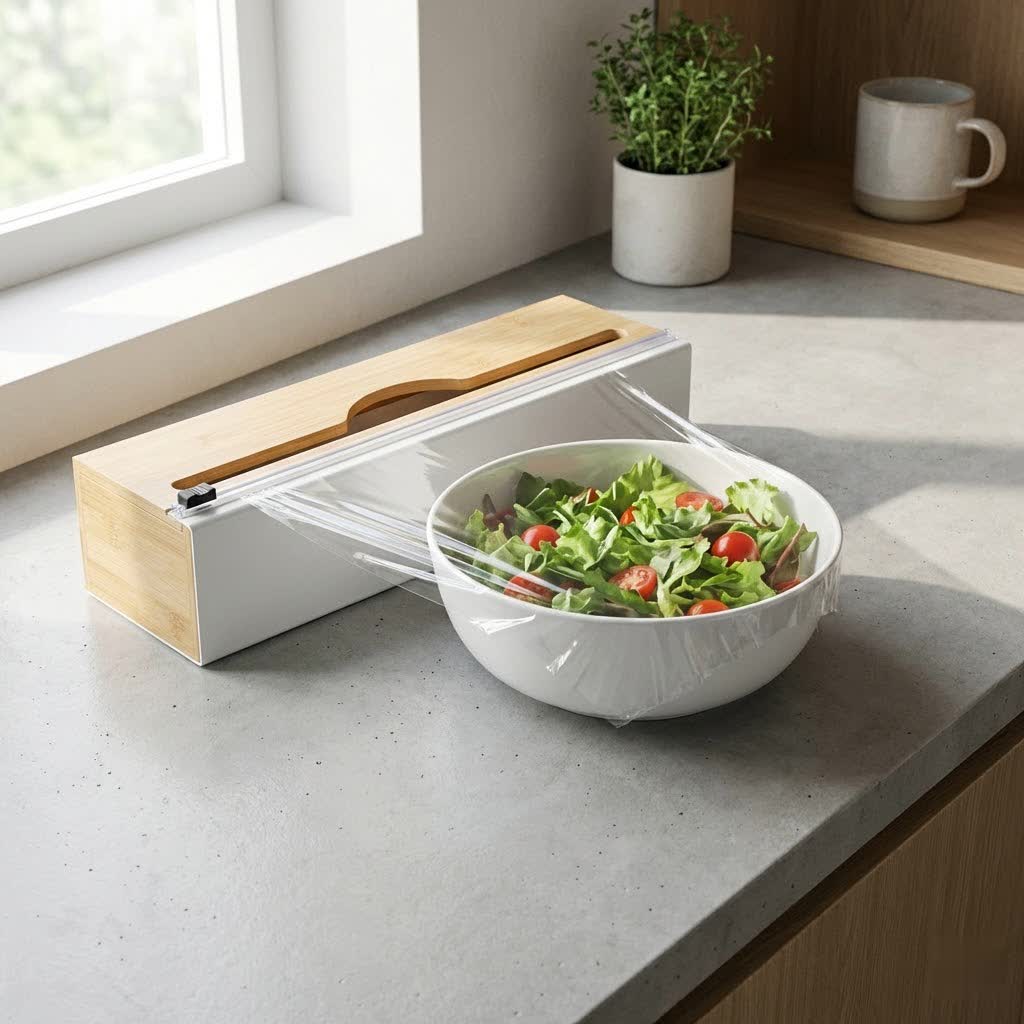
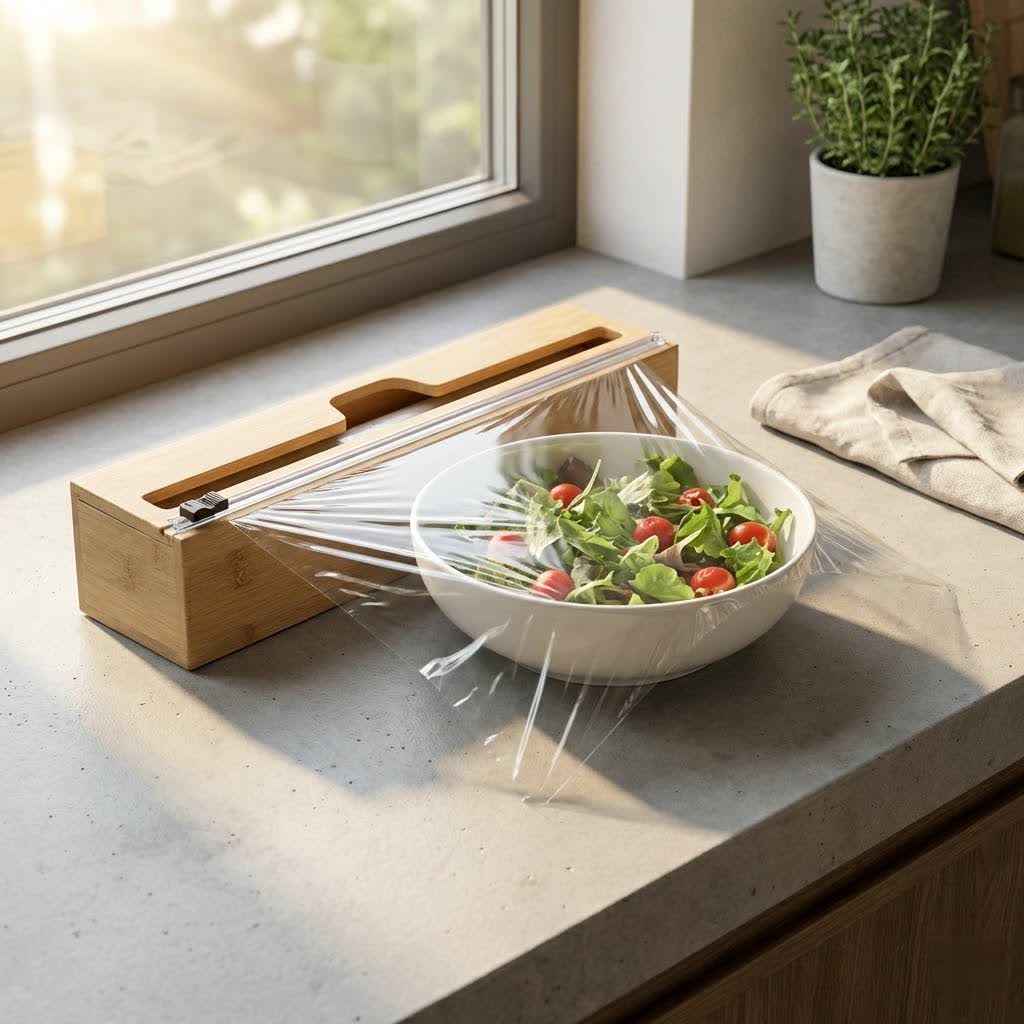
Table is empty.Plastic wrap, often made from polyethylene or polyvinyl chloride (PVC), has been a kitchen staple for decades. Its widespread popularity stems from its ease of use, affordability, and ability to create a tight seal around various food items and containers. From quickly covering leftovers to preventing freezer burn, its convenience is undeniable. However, this convenience comes with a growing list of environmental and health considerations that are prompting many to seek alternatives.
The Rise of Beeswax Wrap
Emerging as a popular eco-friendly contender, beeswax wrap offers a natural, reusable alternative. Typically crafted from organic cotton fabric infused with a blend of beeswax, jojoba oil, and tree resin, these wraps are designed to be pliable and slightly adhesive. They mold around food and bowls with the warmth of your hands, providing a breathable barrier for preservation. Their appealing patterns and commitment to sustainability have made them a favorite among those striving for a greener lifestyle.
Environmental Impact: A Tale of Two Futures
When choosing food storage solutions, the environmental footprint is a critical factor for many households. The contrast between plastic wrap and beeswax wrap in this regard is stark, reflecting a broader choice between disposable convenience and sustainable practice.
Plastic Wrap’s Heavy Footprint
The environmental ramifications of conventional plastic wrap are substantial and far-reaching. Made from petroleum-based plastics, it is primarily a single-use product that takes hundreds of years to decompose in landfills, if at all. During this prolonged degradation, plastic wrap contributes to landfill overflow and ocean pollution, breaking down into microplastics that infiltrate ecosystems and the food chain. Its production and disposal also contribute to greenhouse gas emissions, adding to its significant carbon footprint.
Beeswax Wrap’s Eco-Credentials
In contrast, beeswax wraps champion sustainability. They are inherently reusable, designed to last approximately one year with proper care, significantly reducing the demand for single-use plastics. When a beeswax wrap reaches the end of its life, it is fully biodegradable and compostable. Composed of natural materials, these wraps return to the earth, breaking down without leaving harmful residues, aligning with a more regenerative approach to waste management.
Food Preservation & Safety: What Keeps Food Freshest and Safest?
The primary purpose of any food wrap is to preserve freshness and ensure safety. While both plastic and beeswax wraps aim to achieve this, they do so through different mechanisms and with varying implications for health.
Plastic Wrap: An Airtight Seal with Caveats
Plastic wrap excels at creating an airtight seal, which can be effective for preventing moisture loss and odors. However, the tight seal can also trap excess moisture, potentially accelerating spoilage for certain produce. From a safety perspective, some plastic wraps, particularly those made from PVC, may contain chemicals like phthalates, BPA (bisphenol A), or DEHA (diethylhexyl adipate), which can potentially leach into food. This risk is heightened when plastic wrap comes into direct contact with fatty foods or is exposed to heat, such as in a microwave. Experts recommend ensuring plastic wrap doesn’t touch food directly when microwaving and leaving a vent for steam to escape.
Beeswax Wrap: Breathable, Natural Protection
Beeswax wraps offer a breathable alternative, allowing a small amount of air circulation that helps prevent condensation and can keep certain foods, like fruits, vegetables, and bread, fresher for longer. The natural composition of beeswax, jojoba oil, and tree resin also boasts antimicrobial properties, which can further inhibit the growth of bacteria and fungi. Beeswax wraps are made from non-toxic, food-safe ingredients, offering peace of mind from chemical leaching concerns. However, they are not suitable for all foods; raw meat or fish should be avoided due to the difficulty of thorough cleaning in cold water, and hot foods can melt the wax coating.
Practicality & Convenience: Daily Use in Your Kitchen
Beyond environmental and safety aspects, the daily practicalities and convenience of each wrap play a significant role in their adoption and continued use in a busy kitchen.
The Everyday Appeal of Plastic Wrap
Plastic wrap is celebrated for its sheer convenience. It’s readily available, inexpensive to purchase upfront, and effortlessly molds to any shape, making it ideal for a quick, disposable cover. It’s particularly useful for freezing foods by forming a tight barrier against freezer burn. However, its single-use nature means a constant repurchase cycle and the frustration of dealing with clingy, hard-to-tear sheets.
Beeswax Wrap: A Reusable Learning Curve
Beeswax wraps require a slightly different approach. They become pliable with the warmth of your hands, allowing you to mold them around food or containers to create a seal. This tactile experience can feel more engaging than simply tearing off a sheet of plastic. Cleaning involves a gentle wash with cool water and mild soap, followed by air drying—hot water can melt the wax. While this extra step might seem less convenient than simply tossing plastic wrap, the reusability factor often outweighs the initial adjustment. Beeswax wraps are not recommended for wrapping raw meat or very hot items, and some users might find achieving a perfectly airtight seal more challenging than with plastic wrap.
“Beeswax wraps embody a conscious choice, promoting mindful consumption and a tangible reduction in household waste. The small effort in care is a worthwhile investment in a sustainable lifestyle.”
Cost-Effectiveness: An Investment in Your Home and Planet
When considering food wraps, cost is often a deciding factor. While plastic wrap appears cheaper initially, a closer look at the long-term expenses reveals a different picture.
Upfront vs. Long-Term Costs
Plastic wrap typically boasts a low upfront cost, making it an attractive option for budget-conscious consumers. A roll costs just a few dollars, and its widespread availability makes it a grab-and-go item. However, because it’s single-use, these small costs accumulate over time, leading to continuous spending throughout the year.
Beeswax wraps, conversely, have a higher initial price point. A set can cost significantly more than a single roll of plastic wrap. Yet, their reusability transforms them into a more economical choice over the long term. With proper care, a beeswax wrap can last up to a year or even longer, eliminating the need for frequent repurchases. Over time, the investment in beeswax wraps can lead to considerable savings, alongside the environmental benefits of reduced waste. This makes them a cost-effective solution for a sustainable household.
Making the Switch: Tips for a Greener Kitchen
Transitioning to more sustainable kitchen practices doesn’t have to be an all-or-nothing endeavor. Here are some tips to integrate beeswax wraps effectively while understanding the best uses for each.
- Identify Your Needs: Consider what you primarily use food wrap for. Beeswax wraps are excellent for covering bowls, wrapping fruits, vegetables, cheese, and baked goods. For items like raw meat, or for airtight sealing in the freezer for extended periods, traditional plastic wrap might still be necessary, or consider alternatives like reusable silicone bags and glass containers.
- Start Small: Begin with a few beeswax wraps in varied sizes and gradually expand your collection as you become comfortable with their use and care.
- Proper Care is Key: Always wash beeswax wraps with cool water and mild soap. Allow them to air dry completely before storing them. Avoid hot water, microwaves, and dishwashers, which can degrade the wax coating.
- Mindful Storage: Keep your beeswax wraps visible and easily accessible in your kitchen to encourage regular use. Hang them to dry or store them folded in a drawer.
- Creative Uses: Beeswax wraps can do more than just cover bowls. Use them to wrap sandwiches for lunch, store half-eaten avocados, or even fashion small pouches for snacks.
Conclusion
Choosing between plastic wrap and beeswax wrap involves balancing convenience, cost, food safety, and environmental responsibility. While plastic wrap offers immediate convenience and low upfront cost, its detrimental impact on our planet through waste and potential chemical leaching is undeniable. Beeswax wraps, though requiring a higher initial investment and specific care, present a powerful, eco-friendly alternative. They are reusable, biodegradable, and made from natural ingredients, offering a safer and more sustainable way to preserve your food.
Ultimately, the “better” choice depends on your priorities and willingness to adapt your kitchen habits. By understanding the unique strengths and limitations of each, you can make an informed decision that benefits both your family’s health and the health of our planet. What steps will you take towards a more sustainable kitchen today?
Frequently Asked Questions
Which food wrap is safest for health?
Beeswax wraps are generally considered safer for health as they are made from natural, non-toxic ingredients like organic cotton, beeswax, jojoba oil, and tree resin, which do not leach harmful chemicals into food. Plastic wraps, especially when heated or in contact with fatty foods, can pose risks due to potential chemical leaching.
Can you microwave food with beeswax wrap?
No, beeswax wraps are not suitable for microwave use. High heat can melt the beeswax coating, compromising the wrap’s integrity and effectiveness. It’s best to remove beeswax wraps before microwaving food.
How long do beeswax wraps typically last?
With proper care, including washing with cool water and mild soap and air drying, beeswax wraps can last for approximately one year. Their lifespan depends on the frequency of use and maintenance.
Is it more expensive to use beeswax wraps than plastic wrap?
While beeswax wraps have a higher initial purchase cost compared to a roll of plastic wrap, they are more cost-effective in the long run due to their reusability. The investment pays off by eliminating the need for frequent repurchases of disposable plastic wrap.
Can beeswax wraps be used for raw meat?
No, it is not recommended to use beeswax wraps for raw meat or fish. Due to the inability to wash them with hot, soapy water (which would melt the wax), there’s a risk of bacterial contamination. For raw meat, consider reusable containers or other dedicated solutions.