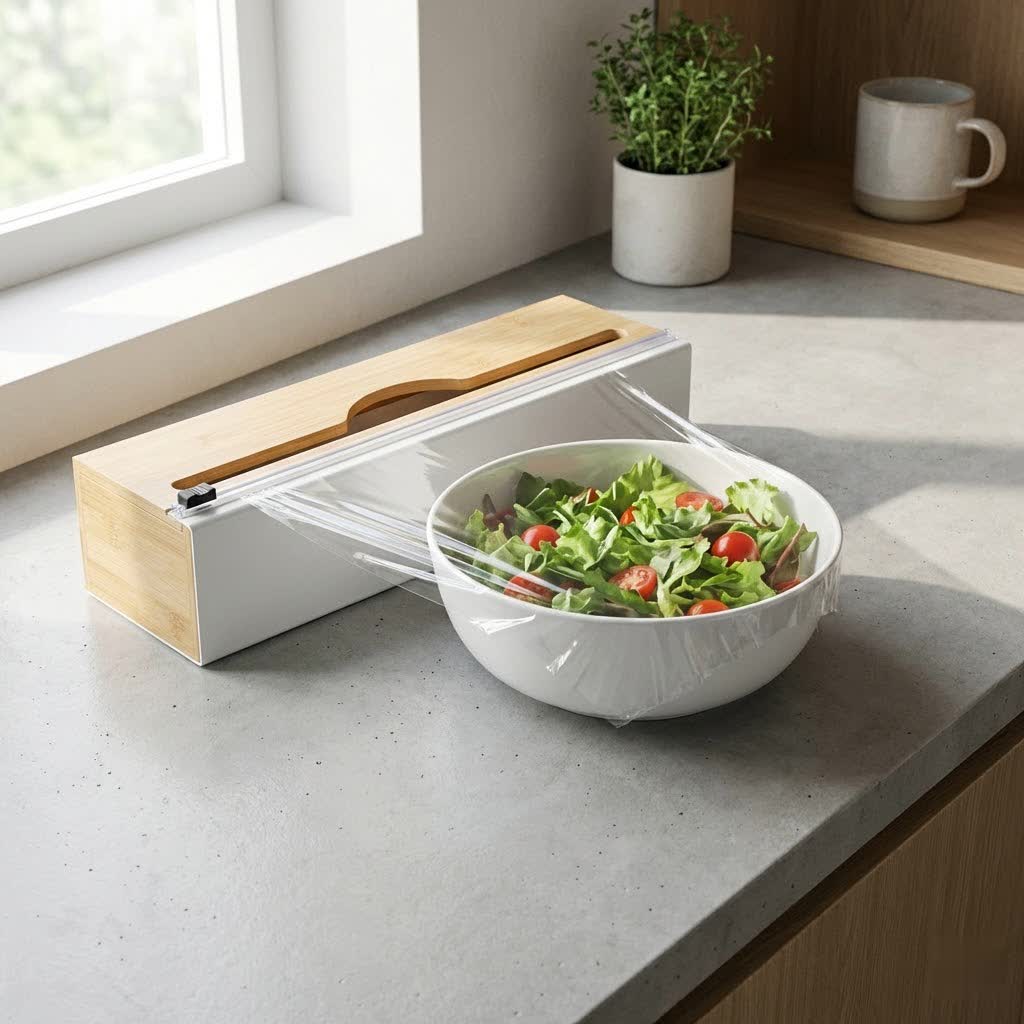
In every kitchen, the battle against food waste is ongoing. From meticulously prepared meals to fresh produce, keeping food at its peak freshness is a culinary art that often relies on the humble yet essential tool: food wrap. With countless options available, navigating the world of food wraps can be daunting, but choosing the right one can significantly enhance your food’s shelf life, maintain its flavor, and contribute to a more sustainable household. This comprehensive guide, informed by over a decade of hands-on experience in kitchen essentials, will walk you through everything you need to know to select the best food wrap for your needs.
Types of Food Wraps: A Comprehensive Overview
Understanding the different materials and their properties is the first step in mastering food preservation. Each type of food wrap offers unique advantages and disadvantages tailored to specific uses.
Plastic Cling Wraps (PE, PVC)
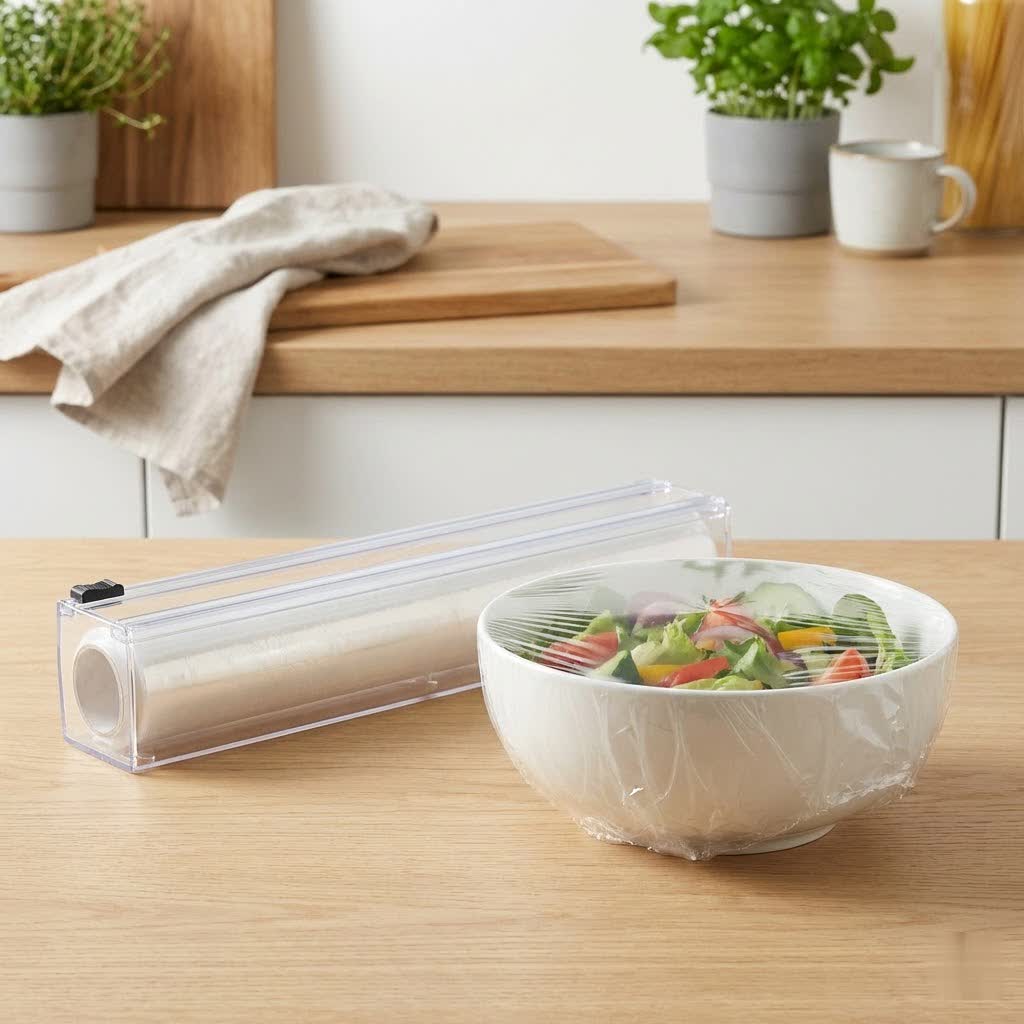
Plastic cling wraps are a kitchen staple, known for their convenience and ability to create a tight seal. The two most common types are Polyethylene (PE) and Polyvinyl Chloride (PVC).
- Polyethylene (PE) Film: This type is widely regarded as food-safe and non-toxic, making it a preferred choice for general household use and basic food preservation. PE film is typically more flexible and easier to recycle, aligning with more eco-conscious efforts, though it may not be as durable or clingy as its PVC counterpart.
- Polyvinyl Chloride (PVC) Film: PVC wrap is renowned for its superior strength, durability, and excellent cling properties, forming a robust barrier against air and moisture. However, concerns exist regarding potential harmful chemicals like plasticizers (e.g., phthalates and BPA) that may leach into food, especially when low-grade PVC is used or exposed to heat. PVC is also more challenging to recycle, posing greater environmental concerns. Despite this, its strong adhesion makes it popular in commercial settings like restaurants and supermarkets for wrapping produce and prepared foods.
- Variations: Plastic wraps also come in specialized forms, including heavy-duty options for larger items, microwave-safe wraps designed to withstand heat and allow steam to escape, and freezer-safe variants formulated to prevent freezer burn and endure cold temperatures for extended storage.
Beeswax Wraps
A popular eco-friendly alternative, beeswax wraps are crafted from organic cotton fabric infused with a blend of natural beeswax, jojoba oil, and tree resin. These wraps are designed to be a sustainable and reusable choice for food storage.
- Pros: Beeswax wraps are reusable, biodegradable, and compostable, significantly reducing plastic waste. They offer natural breathability, which can help extend the freshness of foods like cheese, fruits, and vegetables by preventing excessive moisture buildup. The natural beeswax and jojoba oil possess antimicrobial properties, inhibiting bacterial and fungal growth, while being entirely free from synthetic chemicals like BPA or phthalates.
- Cons: These wraps have limitations; they are not suitable for hot foods, microwaves, or raw meat/fish as the beeswax can melt or become less effective. They typically have a higher initial cost compared to single-use plastic wraps, though they offer long-term savings through reusability. Beeswax wraps can sometimes leave a slight residue on dishes when new, may absorb strong odors over time, and can stain. Proper cleaning and air drying are essential to prevent mold and maintain their longevity.
Silicone Food Covers
Silicone food covers offer another versatile and reusable solution for food storage. These stretchy, durable covers are ideal for a variety of food items and containers, creating an airtight seal. They are known for their high heat resistance, making them dishwasher-safe and suitable for use in the microwave or even the oven (check manufacturer specifications). Their flexibility allows them to conform to different shapes and sizes, reducing the need for disposable wraps.
Paper-Based Wraps
Beyond plastic and silicone, various paper-based wraps serve specific food preservation needs.
- Butcher Paper (Kraft Paper): A coarse, sturdy paper excellent for wrapping meat and fish. It often comes treated with sizing for wet strength and leak resistance, crucial for handling juicy items.
- Wax Paper: Treated with wax, it provides a non-stick, moisture-resistant surface. Ideal for baking (lining pans), separating sticky foods, or wrapping sandwiches and hot foods. It is generally not recommended for use in the microwave or oven.
- Freezer Paper: Similar to butcher paper, freezer paper features a low-density polyethylene coating on one side. This lamination provides excellent leak resistance and helps prevent freezer burn for up to a year, making it perfect for long-term storage of meats, poultry, and cheese.
- Cheese Paper: Specifically designed to keep cheeses fresh by allowing them to breathe without drying out or becoming contaminated. It helps manage the moisture levels that are crucial for cheese preservation.
- Sandwich Wrapping Paper: Often grease-resistant, these papers are designed for quick wrapping of sandwiches, burgers, or pastries, offering a clean and convenient packaging solution for on-the-go meals.
Choosing the Right Food Wrap for Your Kitchen
Selecting the ideal food wrap involves considering several critical factors beyond just its material.
Health and Safety
Your family’s well-being is paramount. Always look for food wraps that are FDA approved for food contact, indicating they meet stringent safety guidelines. It’s advisable to avoid plastic wraps containing harmful chemicals like BPA (Bisphenol A) and phthalates, especially when wrapping foods for children or when heat will be involved. Beeswax wraps and silicone covers offer chemical-free alternatives.
Durability and Adhesion
The effectiveness of a food wrap largely depends on its ability to protect food. Thicker wraps generally offer better protection against punctures and tearing, crucial for preventing spoilage. Strong adhesion is key to creating an airtight seal, which effectively locks in moisture and keeps odors from escaping or being absorbed by other foods.
Heat Resistance
Consider how you’ll be using the wrap. If you frequently reheat food in the microwave, ensure you choose a microwave-safe cling wrap designed to withstand heat without melting or leaching chemicals. Remember that standard plastic wraps and beeswax wraps are not suitable for ovens or direct heat. Silicone covers and some specialized plastic wraps are your best bet for heat applications.
Convenience and Reusability
Ease of use contributes significantly to a positive kitchen experience. Look for rolls with built-in cutter bars for easy dispensing and neat cuts. For those prioritizing sustainability, reusable options like beeswax wraps and silicone covers, while requiring an initial investment and cleaning, offer long-term cost savings and reduced environmental impact.
Popular Food Wrap Brands Compared
When it comes to commercial brands, a few names consistently stand out for their performance and availability.
- Glad: A dominant player, Glad offers reliable products like Glad Wrap known for strong cling properties and superior moisture retention. Their Glad to be Green line provides a partially plant-based option for those seeking more eco-friendly choices, though it’s important to note these are typically 50% plant-based and still contain traditional plastics.
- Saran Premium Wrap: Renowned for its excellent sealing capabilities, Saran Wrap is often recommended for preserving highly perishable items like meats, creating a robust barrier against air.
- Reynolds Wrap: While perhaps best known for aluminum foil, Reynolds also offers heavy-duty cling wraps that are particularly effective for long-term storage and preventing freezer burn.
- Press’n Seal: This unique product, often associated with Glad, is celebrated for its super adhesion, allowing it to seal to various surfaces and itself, making it incredibly versatile for odd-shaped containers or temporary seals.
Best Practices for Using Food Wraps
Maximizing the benefits of your chosen food wrap requires mindful application.
- Wrap Food Tightly: Always aim to wrap food tightly, expelling as much air as possible to create an airtight seal. This technique is crucial for maintaining freshness and preventing spoilage.
- Cool Food First: Hot food can create condensation when wrapped, promoting bacterial growth and leading to quicker spoilage. Always allow food to cool to room temperature before wrapping and refrigerating.
- Microwave Safely: If using microwave-safe plastic wrap, leave a small vent or lift a corner to allow steam to escape. Never let plastic wrap touch food directly during microwaving, and avoid using non-microwave-safe wraps in the oven or with very hot foods.
- Clean Reusable Wraps Properly: For beeswax wraps, hand wash with cool water and mild soap, then air dry. Avoid hot water, which can melt the wax coating. Silicone covers are typically dishwasher safe, offering convenient cleaning.
- Beware of Raw Meat: When wrapping raw meat, especially with plastic cling film, ensure the wrap doesn’t touch the meat directly. Consider using an additional layer of parchment paper to prevent potential contamination.
Eco-Friendly Food Wrap Alternatives
As environmental awareness grows, many consumers are seeking sustainable alternatives to single-use plastics.
- Beeswax Wraps: As discussed, these offer a natural, reusable, and biodegradable option for everyday food storage, contributing significantly to waste reduction.
- Silicone Food Covers: Durable, reusable, and versatile, silicone covers are excellent for sealing bowls, cups, and even cut produce. Their longevity and ease of cleaning make them a top choice for reducing reliance on disposable wraps.
- Reusable Containers: Investing in high-quality glass or silicone containers can largely eliminate the need for wraps altogether. They offer robust protection, are often microwave and oven-safe, and are incredibly durable.
- Biodegradable/Compostable Wraps: While some plastic wraps are marketed as “eco-friendly,” it’s vital to research their actual biodegradability and composting requirements, as many still rely on industrial composting facilities not widely available. True compostable options derived from plant-based materials offer a better solution, but their performance might not always match traditional plastic.
Where to Purchase Food Wraps
Food wraps are readily available through various channels. You can find conventional plastic wraps and some paper options in most supermarkets and convenience stores. For eco-friendly alternatives like beeswax wraps and silicone covers, online retailers and specialty kitchen stores are often the best sources. When buying online, always scrutinize product information, check for safety certifications, and read user reviews to ensure quality and authenticity.
Food Wrap Comparison Table
| Feature | PE Plastic Wrap | PVC Plastic Wrap | Beeswax Wrap | Silicone Cover |
|---|---|---|---|---|
| Material | Polyethylene | Polyvinyl Chloride | Organic cotton, beeswax | Silicone |
| Safety | Food-safe, non-toxic | Potential for harmful chemicals | Natural, chemical-free | Food-grade silicone, non-toxic |
| Durability | Flexible, good | Strong, very durable | Moderate, depends on care | Highly durable, stretchy |
| Adhesion | Good | Excellent, strong cling | Moderate, molds to shape | Excellent, suction seal |
| Heat Use | Some microwave-safe variants | Some microwave-safe variants | Cold/room temp only | Microwave, oven safe |
| Reusability | Single-use (recyclable in some areas) | Single-use (difficult to recycle) | Reusable (approx. 1 year) | Highly reusable, long-lasting |
| Environmental Impact | Easier to recycle, less harmful than PVC | Difficult to recycle, environmental concerns | Biodegradable, compostable | Highly reusable, durable |
| Cost | Low | Low | Higher initial, lower long-term | Higher initial, lower long-term |
Food Wrap Buying Guide
Navigating the vast array of food wraps can be simple if you focus on your specific needs.
- Identify Your Usage Needs: What will you primarily use the wrap for? (e.g., covering leftovers, packing lunches, freezing raw meat, warming food in the microwave).
- Consider Material Suitability: Do you prioritize convenience (plastic), eco-friendliness (beeswax, silicone), or specific tasks (paper-based)?
- Check for Safety Certifications: Always verify that products are FDA approved and, if plastic, ideally BPA and phthalate-free.
- Evaluate Size and Convenience: Choose roll sizes appropriate for your typical dishes, and look for features like cutter bars for easier handling.
- Read User Reviews: Gain insights from other users’ experiences regarding a product’s performance, durability, and ease of use.
“A well-chosen food wrap is more than just a cover; it’s a silent guardian, preserving flavor, preventing waste, and extending the life of your precious culinary creations. Investing in the right tools for food preservation is an investment in your kitchen and your planet.”
Conclusion
The world of food wraps offers a diverse range of solutions, each with distinct advantages for preserving your culinary efforts. From the everyday convenience of plastic cling films to the sustainable innovation of beeswax wraps and silicone covers, making an informed choice is key to maintaining food freshness, reducing waste, and aligning with your personal values. By considering material, safety, durability, and environmental impact, you empower yourself to make smart decisions for your kitchen and beyond. Which food wrap will you choose to elevate your food preservation game today?
Frequently Asked Questions
Which food wrap is safest for health?
Beeswax wraps and food-grade silicone covers are generally considered the safest options due to their natural, non-toxic materials, free from chemicals like BPA and phthalates. For plastic wraps, look for those made from polyethylene (PE) and explicitly labeled as BPA-free and microwave-safe, as PVC can sometimes contain harmful plasticizers.
Can I use all food wraps in the microwave?
No, not all food wraps are safe for microwave use. Standard plastic cling films and beeswax wraps are not microwave-safe and can melt or leach chemicals when exposed to heat. Always look for plastic wraps specifically labeled “microwave-safe” and ensure proper venting, or opt for silicone covers, which are generally designed to withstand high temperatures.
Are eco-friendly food wraps truly effective?
Yes, many eco-friendly food wraps, such as beeswax wraps and silicone covers, are highly effective. Beeswax wraps offer breathability that can extend the life of certain produce and cheese, while silicone covers create an airtight seal perfect for general storage. While their application differs from traditional plastic, they provide excellent preservation when used correctly and contribute significantly to reducing plastic waste.