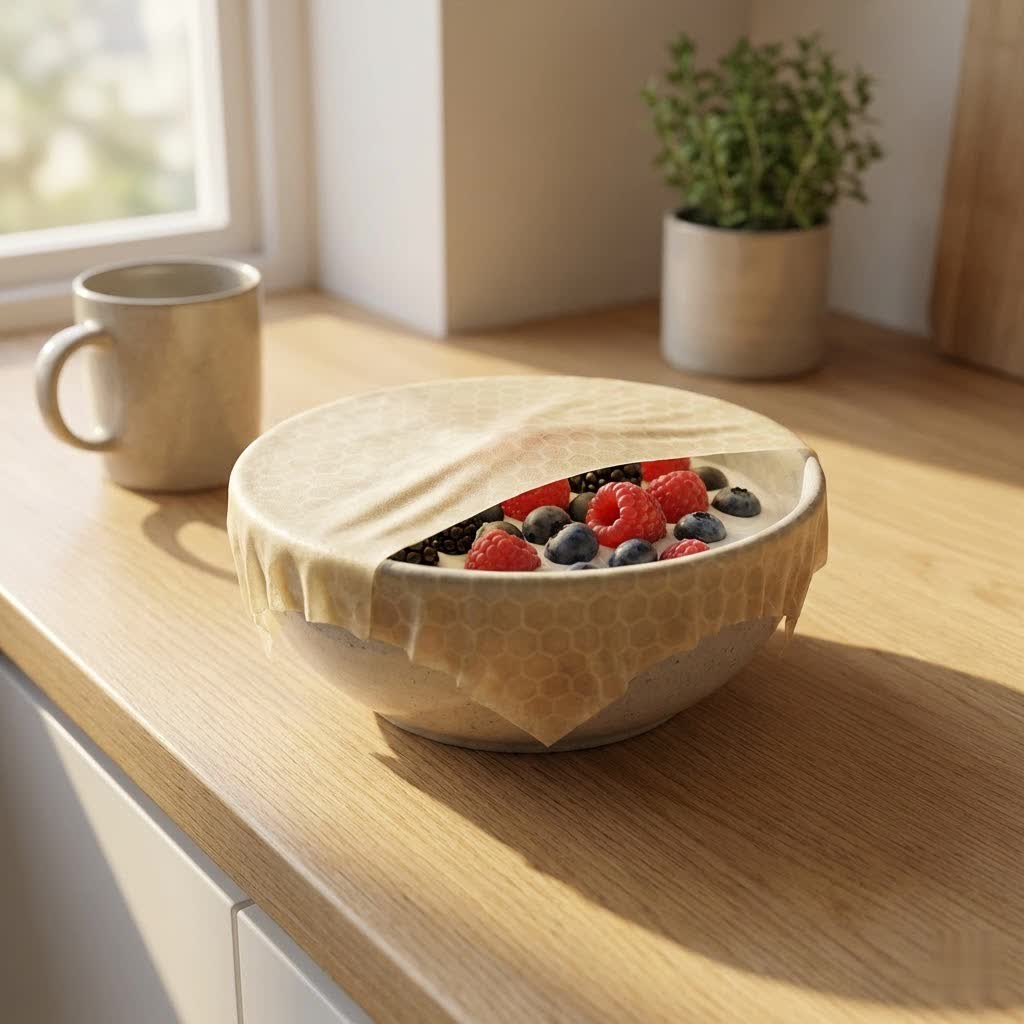
In kitchens worldwide, plastic cling wrap has long been the go-to for preserving leftovers and sealing freshness. Yet, as awareness of environmental impact grows, many are seeking smarter, greener solutions. Earth’s Natural Alternative Cling Wrap emerges as a compelling option, offering a plant-based, biodegradable, or compostable answer to the pervasive issue of single-use plastic. This review delves into whether these eco-friendly films genuinely stand up to their traditional counterparts in performance, safety, and convenience, helping you make an informed choice for a more sustainable home.
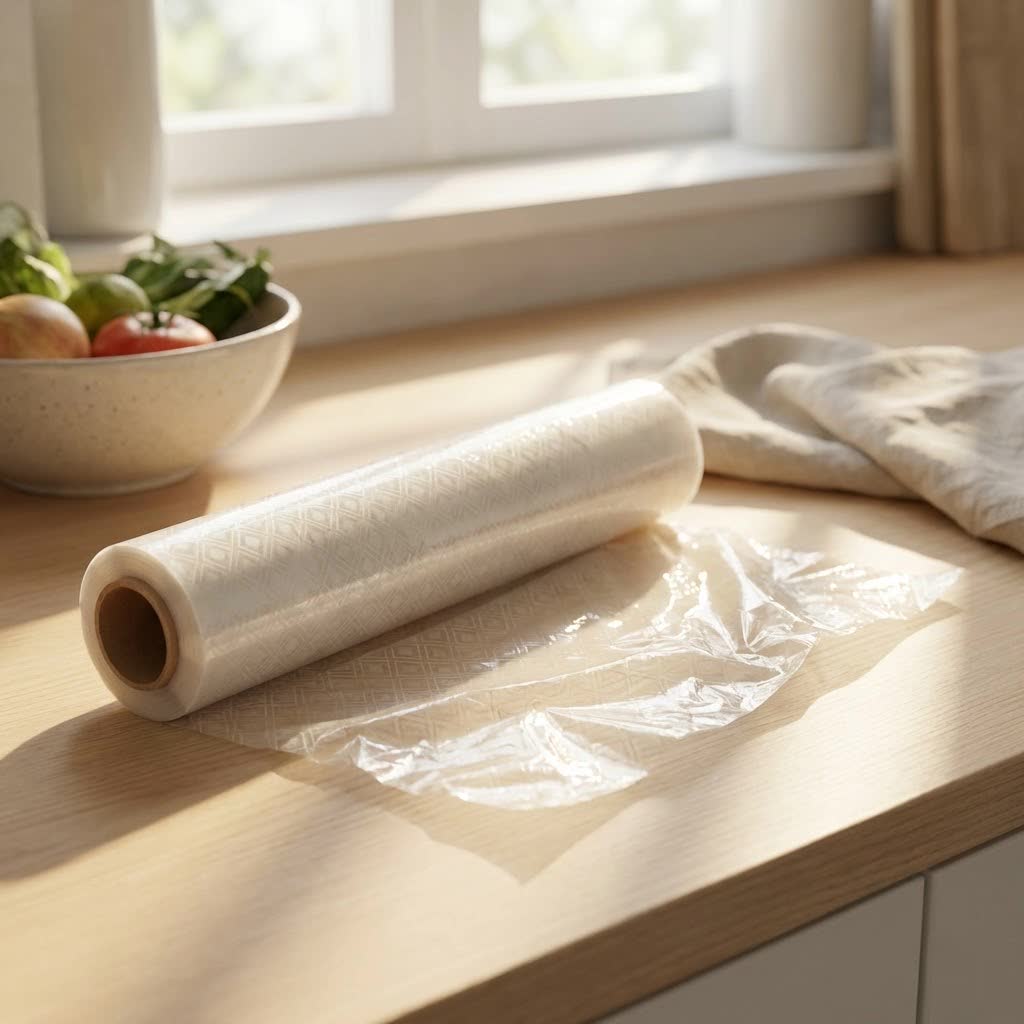
Understanding Earth’s Natural Alternative Cling Wrap
Earth’s Natural Alternative Cling Wrap represents a category of innovative food films crafted from renewable resources, fundamentally different from conventional plastic wraps like those made from PVC (polyvinyl chloride) or LDPE (low-density polyethylene). These alternatives are typically derived from plant-based polymers, such as Polylactic Acid (PLA) sourced from cornstarch or sugarcane, or blends with materials like PBAT to enhance flexibility. Unlike petroleum-based plastics that can persist in the environment for centuries, these natural alternatives are designed to break down, significantly reducing their ecological footprint.
Traditional plastic wraps, especially those containing PVC, have raised concerns due to potential health implications and their non-biodegradable nature. Earth’s Natural Alternative Cling Wraps aim to circumvent these issues by providing a safer, more environmentally conscious solution. They offer a transparent and flexible film, similar in appearance and application to conventional wrap, but with a crucial difference in their end-of-life cycle.
Key Benefits of Choosing Earth’s Natural Alternatives
Opting for Earth’s Natural Alternative Cling Wrap brings a multitude of benefits, primarily centered around environmental stewardship and personal health. These plant-based films are a direct response to the global plastic waste crisis, offering a tangible step towards a more sustainable kitchen.
Firstly, their environmental impact is considerably lower than traditional plastic wraps. Made from renewable biomass, they contribute to a reduced carbon footprint during production. More importantly, many of these alternatives are designed to be either biodegradable or compostable. This means that, under the right conditions, they can break down into natural components without leaving behind harmful microplastics or toxic residues, mitigating the long-term damage associated with conventional plastics.
Secondly, health safety is a significant advantage. Earth’s Natural Alternative Cling Wraps are typically free from harmful chemicals often found in petroleum-based films, such as BPA (Bisphenol A) and phthalates. PVC, a common material in traditional cling film, has been linked to various health concerns. By choosing alternatives made from certified safe materials like PLA, consumers can reduce their exposure to these potential toxins, ensuring food remains fresh without chemical leaching. This commitment to non-toxic materials provides peace of mind, aligning with a holistic approach to well-being in the home.
Performance and Practicality: What to Expect
When transitioning to Earth’s Natural Alternative Cling Wrap, understanding its performance characteristics and practical applications is key to a smooth experience. While these films excel in their eco-credentials, their functionality might differ slightly from the traditional plastic wrap you’re accustomed to.
Cling and Seal: Many plant-based films offer good cling performance, adhering effectively to bowls, plates, and food items to create a protective seal. While they may not always possess the aggressive stretch and grip of a PVC-based wrap, they are generally reliable for common food-wrapping tasks. Achieving an optimal seal often requires a firm hand and ensuring surfaces are dry.
Ease of Use: This is an area where some eco-friendly wraps have historically faced challenges. Dispensing and cutting can sometimes be less smooth than with conventional films, occasionally leading to the wrap sticking to itself or tearing unevenly. However, manufacturers are continually improving designs to enhance user experience, making newer products more user-friendly.
Heat Resistance: A critical consideration is heat compatibility. Most compostable cling wraps are not suitable for use in microwaves, ovens, or on stovetops. High temperatures can cause them to melt, warp, or even release odors. For reheating food, it’s advisable to transfer items to microwave-safe containers or use reusable silicone covers that are designed for heat exposure. Always check the product’s specific instructions for temperature guidelines.
Durability: In terms of durability for refrigeration and freezing, Earth’s Natural Alternative Cling Wraps generally perform well. They effectively protect food from air exposure, helping to maintain freshness and prevent freezer burn for reasonable periods. For long-term freezer storage, pairing the wrap with airtight containers can provide an extra layer of protection. Overall, while there might be a slight learning curve, these alternatives offer a practical and conscientious way to manage food storage.
Certifications and Proper Disposal
Navigating the world of eco-friendly products requires understanding the certifications that validate their environmental claims and knowing the correct disposal methods. Earth’s Natural Alternative Cling Wraps are no exception; proper disposal is crucial for these products to fulfill their intended environmental benefits.
Importance of Certifications: Look for recognized certifications on the product packaging, such as EN 13432 (European industrial composting standard), ASTM D6400 (U.S. standard for compostability), or OK Compost Industrial / OK Compost Home (certified by TÜV Austria). These certifications ensure that the product has been independently tested and will break down within a specific timeframe under specified conditions, leaving no harmful residues. Without these, claims of biodegradability or compostability can be misleading.
Disposal Guidelines: The distinction between “biodegradable” and “compostable” is vital. While biodegradable simply means a material can break down over time, compostable means it breaks down into non-toxic components within a controlled composting environment. Most compostable cling wraps require industrial composting facilities to break down effectively due to the specific conditions of heat, moisture, and microbial activity needed. Some products may be certified for home composting, but these still require an active, well-maintained compost pile.
Crucially, compostable cling wraps generally do not break down in traditional landfills, where oxygen-poor conditions can significantly slow decomposition and lead to the release of methane, a potent greenhouse gas. They also cannot be recycled with conventional plastics as they contaminate the recycling stream. Therefore, responsible disposal means checking local waste management guidelines for industrial composting facilities or utilizing a home composting system if the product is certified for it. Misinformation around disposal can undermine the positive intent of choosing these alternatives, making informed action essential.
Comparing Earth’s Natural Alternative Cling Wrap with Other Eco-Friendly Options
While Earth’s Natural Alternative Cling Wrap offers a disposable, yet eco-friendly, option, it’s part of a broader movement toward sustainable food storage. Several other reusable alternatives provide excellent choices for reducing single-use plastic in the kitchen.
Reusable Silicone Lids/Wraps: These are highly versatile and durable, made from food-grade silicone. They stretch to fit various bowls, containers, and even cut produce, creating an airtight seal. Their main advantages include exceptional durability, reusability for years, and being safe for use in the microwave, oven, dishwasher, and freezer. While they have a higher upfront cost than disposable wraps, their longevity makes them cost-effective over time.
Beeswax Wraps: Crafted from organic cotton infused with beeswax, jojoba oil, and tree resin, these wraps are a beautiful and natural option. They are moldable with the warmth of your hands, making them excellent for covering bowls, wrapping cheese, bread, fruits, and vegetables. Beeswax wraps are reusable, washable (with cold water), and can last for about a year with proper care. However, they are not suitable for wrapping raw meat or fish, cannot be microwaved, and should be washed by hand.
Glass Containers: Perhaps the most enduring and versatile option, glass containers with airtight lids offer robust food preservation. They are completely reusable, non-toxic, and safe for microwave, oven, dishwasher, and freezer use. While they are heavier and can break, their durability and wide range of applications make them a cornerstone of a sustainable kitchen.
Each alternative has its unique benefits and limitations. Earth’s Natural Alternative Cling Wrap serves as an excellent direct replacement for disposable plastic wrap, especially for those occasions where reusables might not be practical. However, incorporating a mix of these options often provides the most comprehensive and flexible approach to eco-friendly food storage.
Choosing the Right Earth’s Natural Alternative for Your Kitchen (Buying Guide)
Selecting the ideal Earth’s Natural Alternative Cling Wrap for your needs involves considering several factors beyond just its eco-friendly claim. With a growing market of sustainable options, making an informed choice ensures you get a product that performs well and aligns with your values.
1. Determine Your Usage Needs: Think about how you primarily use cling wrap. Do you need it mainly for covering leftovers in the fridge, wrapping individual food items, or occasional microwave use? As many plant-based films are not microwave-safe, this will guide your choice. For tasks requiring heat, reusable silicone lids or glass containers might be more suitable.
2. Material Matters: Most natural alternative cling wraps are made from PLA (Polylactic Acid) or blends of bioplastics. PLA is derived from renewable sources like cornstarch or sugarcane. Research the specific material composition to understand its origin and properties. Ensure it is free from PVC, BPA, and phthalates for health safety.
3. Check for Certifications: Always look for reputable third-party certifications for compostability or biodegradability, such as EN 13432, ASTM D6400, or OK Compost (Industrial or Home). These certifications are crucial indicators that the product will break down as advertised under the correct conditions, preventing greenwashing.
4. Evaluate Performance Claims: Read reviews regarding the wrap’s cling, stretch, and tear resistance. While no natural alternative may perfectly replicate the cling of traditional plastic, many offer satisfactory performance for everyday use. A good balance between eco-friendliness and functionality is key.
5. Consider Brand Reputation and Transparency: While “Earth’s Natural Alternative” is a general category, individual brands produce these films. Opt for brands that are transparent about their sourcing, manufacturing processes, and disposal instructions. A brand committed to sustainability will clearly communicate these details.
6. Size and Quantity: Like traditional wraps, these alternatives come in various roll sizes. Choose a size that best suits your typical use, whether you need a wider roll for large dishes or smaller rolls for individual items.
By carefully considering these points, you can confidently choose an Earth’s Natural Alternative Cling Wrap that not only supports your eco-conscious lifestyle but also meets the practical demands of your kitchen.
Where to Purchase Eco-Friendly Cling Wraps
As consumer demand for sustainable products grows, Earth’s Natural Alternative Cling Wraps are becoming increasingly accessible, making it easier than ever to make an eco-conscious switch. You can find these innovative food wraps through several convenient channels.
Supermarkets and Grocery Stores: Many mainstream supermarkets are now stocking a range of eco-friendly products, including plant-based cling wraps. Check the aisle where traditional plastic wraps are sold, or look for dedicated “green” or “eco-friendly” sections. Brands like Glad (with their plant-based options) and others are often available.
Specialty Eco-Friendly Stores: Dedicated health food stores, zero-waste shops, and eco-friendly retailers are excellent places to find a wider selection of natural alternative cling wraps. These stores often curate products with strong sustainability credentials and can provide expert advice.
Online Retailers: E-commerce platforms such as Amazon, Grove Collaborative, Thrive Market, and specialized eco-product websites offer a vast array of choices. This provides the convenience of shopping from home and the ability to compare different brands, read user reviews, and check certifications easily.
Tips for Buying Online:
- Read Product Descriptions Carefully: Pay close attention to the materials used (e.g., PLA, cornstarch-based) and confirm any certifications (e.g., home compostable, industrial compostable).
- Check User Reviews: Real-world feedback can offer insights into the product’s actual performance regarding cling, ease of use, and durability.
- Verify Shipping and Packaging: Some eco-conscious online stores also use minimal or plastic-free packaging for shipping, further enhancing your sustainable choice.
Making the switch to Earth’s Natural Alternative Cling Wrap is a positive step. With increasing availability, finding the right product to suit your kitchen and lifestyle is more straightforward than ever before.
Bảng So Sánh Màng Bọc Thực Phẩm
| Feature | Earth’s Natural Alternative Cling Wrap (PLA) | Traditional Plastic Wrap (PE/PVC) | Reusable Silicone Wrap/Lid | Beeswax Wrap |
|---|---|---|---|---|
| Material | Plant-based (e.g., PLA from corn/sugarcane) | Petroleum-based (PE, PVC) | Food-grade silicone | Cotton, beeswax, jojoba oil, resin |
| Eco-Friendliness | Biodegradable/Compostable | Non-biodegradable, hard to recycle | Highly reusable, durable | Reusable, natural, compostable at end of life |
| Safety | BPA/Phthalate-free, non-toxic | May contain BPA/Phthalates (PVC) | Non-toxic, LFGB/FDA certified | Natural, non-toxic |
| Cling/Seal | Good, but may vary by brand | Excellent | Excellent (airtight) | Good (molds with warmth) |
| Heat Resistance | Not for microwave/oven | Limited (not all types are microwave safe, PVC not recommended) | High (microwave, oven, dishwasher safe) | Low (melts with heat, hand wash only) |
| Durability | Single-use, similar to traditional | Single-use | Very high (years of use) | Medium (approx. 1 year of use) |
| Cleaning/Disposal | Compost (industrial/home certified) | Landfill/Limited recycling | Dishwasher safe | Hand wash with cold water |
| Cost (Estimated) | Moderate to High | Low | High (initial) | High (initial) |
| Versatility | Food covering, short-term storage | Wide range of food covering | Covers bowls, containers, food | Wraps food, covers bowls |
Hướng Dẫn Mua Màng Bọc Thực Phẩm (Buying Guide)
Choosing the right food wrap involves more than just picking up the first roll you see. It’s about aligning the product with your lifestyle, cooking habits, and commitment to sustainability. This buying guide will help you navigate the options to find the perfect solution.
Xác định nhu cầu sử dụng: Start by pinpointing your primary use cases. Are you looking for a quick cover for leftovers, something to tightly seal food for transport, or a solution for meal prepping that involves refrigeration or freezing? If you frequently reheat food in the microwave, a film that isn’t heat-resistant might not be your best choice, suggesting reusable silicone covers or glass containers as alternatives. Understanding your daily routine will narrow down suitable options.
Chọn chất liệu phù hợp: The material is fundamental to both performance and environmental impact.
- PE (Polyethylene) / PVC (Polyvinyl Chloride): Traditional plastics, generally inexpensive, with good cling. However, PVC raises health concerns and is difficult to recycle. PE is safer but still petroleum-based and slow to degrade.
- PLA (Polylactic Acid): A common material for “Earth’s Natural Alternatives,” derived from corn or sugarcane. It’s biodegradable and compostable under specific conditions.
- Silicon: Excellent for reusable covers and wraps, durable, non-toxic, and highly heat-resistant.
- Beeswax/Plant Wax: Used in reusable wraps, offering a natural, breathable, and moldable option, but sensitive to heat.
Each material has distinct properties affecting its safety, reusability, and disposal.
Xem xét kích thước: Food wraps come in various widths and lengths. Consider the typical size of your dishes, bowls, and food items. A wider roll is great for large platters or baking dishes, while narrower rolls are convenient for individual portions or smaller containers. Ensure the roll fits into your existing dispenser if you plan to reuse it.
Đọc kỹ thông tin sản phẩm: This step is crucial, especially for eco-friendly products. Look for clear labeling regarding the material composition, certifications (e.g., “OK Compost Home,” “ASTM D6400”), and specific usage instructions. Pay attention to any warnings about microwave use, temperature limits, or types of food it shouldn’t be used with (e.g., raw meat for beeswax wraps). Transparency from the brand indicates reliability.
Tham khảo đánh giá của người dùng: User reviews offer invaluable real-world insights. People often highlight practical aspects like how well a wrap truly clings, its ease of tearing, or if it holds up to its eco-friendly claims in a home setting. Look for consistent feedback on performance, durability, and any quirks a product might have. This can help you anticipate potential challenges and choose a product with proven satisfaction.
Conclusion
Embracing Earth’s Natural Alternative Cling Wrap is a powerful step towards a more sustainable kitchen, offering a viable and conscientious replacement for traditional plastic films. These plant-based, biodegradable, or compostable options significantly reduce environmental impact by breaking down into harmless components, mitigating the pervasive problem of plastic waste. While they may present slight differences in cling and heat resistance compared to their conventional counterparts, ongoing innovations continue to enhance their performance and ease of use. By prioritizing products with clear certifications and understanding proper disposal methods, consumers can confidently choose a food wrap that aligns with both their practical needs and their commitment to a healthier planet. Ready to make the switch and reduce your kitchen’s plastic footprint?
Frequently Asked Questions
Which type of food wrap is safest for health?
Table is empty.Generally, reusable silicone wraps and lids, or plant-based, certified compostable cling wraps like those made from PLA, are considered among the safest options. They are typically free from harmful chemicals such as BPA, phthalates, and PVC, which have been associated with health concerns in traditional plastic wraps. Always look for certifications like LFGB for silicone or clear ingredient lists for plant-based films to ensure safety and non-toxicity.