Are you tired of your perfectly crafted sandwiches turning soggy before lunchtime? Achieving that fresh, crisp, deli-quality sandwich experience is all about one often-overlooked secret weapon: the right deli sheet. For home cooks and culinary enthusiasts alike, mastering the art of sandwich wrapping means not only keeping your meal fresh and intact but also elevating its presentation to professional standards. This guide will walk you through everything you need to know about selecting and using the best deli sheets to ensure every bite is as delicious as the first.
Understanding Deli Sheets: More Than Just Paper
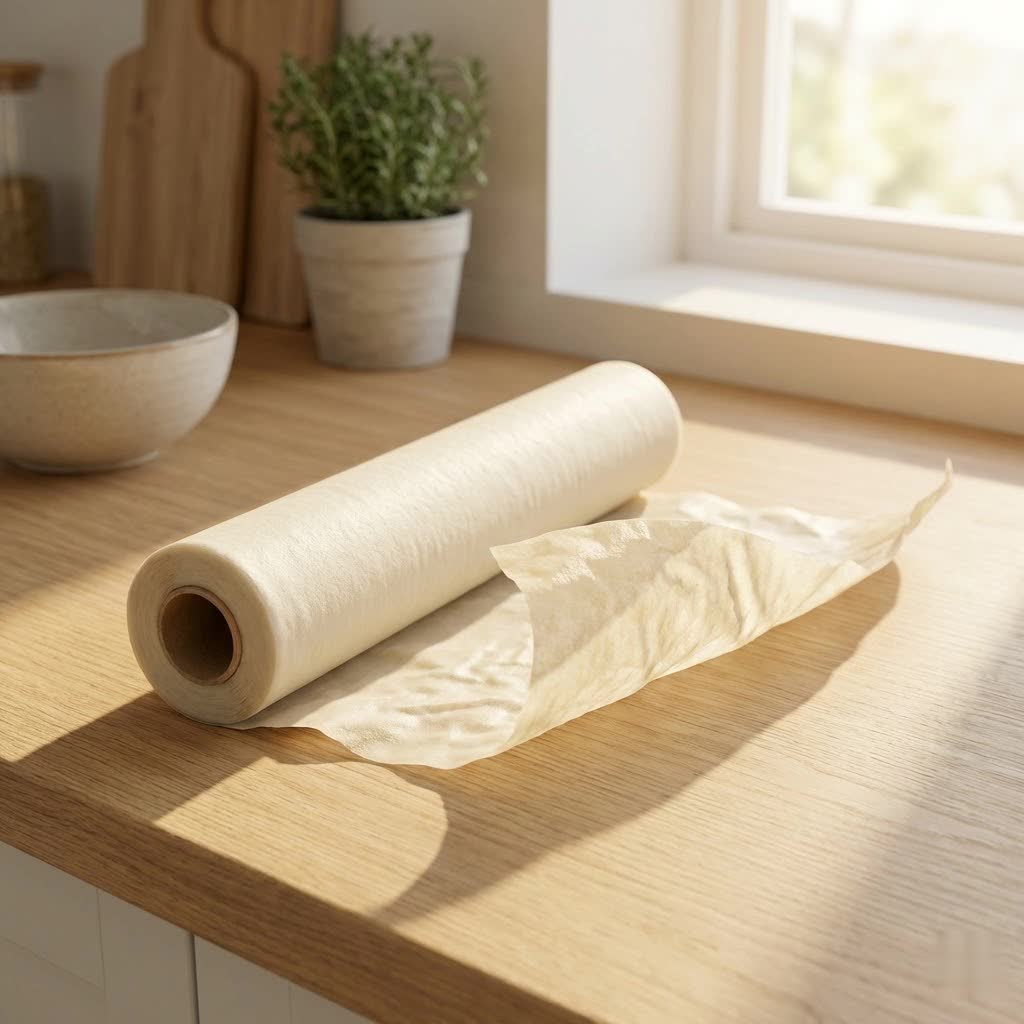
Deli sheets, also known as deli paper or sandwich wrap, are specialized food-grade sheets designed to wrap and protect various food items. Unlike generic plastic wrap, quality deli sheets offer a unique combination of breathability and resistance that is crucial for sandwich longevity. They create a protective barrier that keeps moisture from escaping too quickly, yet allows for some airflow, preventing the dreaded sogginess that can ruin a sandwich. This balance helps maintain the bread’s texture and the fillings’ freshness, making them a staple in professional delis and a game-changer for your packed lunches. Beyond freshness, the neat, compact wrap provides a clean and appealing presentation, transforming an everyday sandwich into a portable culinary delight.
Popular Types of Deli Sheets and Their Uses
The world of deli sheets offers several options, each with distinct properties suited for different needs. Choosing the right material can significantly impact your sandwich’s quality and shelf life.
- Wax Paper: This common type features a thin wax coating, making it excellent for moderate moisture and grease resistance. Wax paper is ideal for wrapping cold sandwiches, pastries, and other items where you want to prevent sticking and keep moisture in. However, it is not heat-resistant, so avoid using it for hot foods or in the microwave, as the wax can melt.
- Parchment Paper: Known for its heat-resistant and non-stick properties, parchment paper is a versatile choice. It’s highly grease-resistant and durable, making it perfect for wrapping hot sandwiches like grilled cheese or paninis, and even for reheating food in a microwave or oven (always check product specifications for oven safety). It can also help absorb excess moisture, contributing to a crisper sandwich.
- Dry Wax Deli Paper: This is often the go-to for many delis. It’s typically a thin, interfolded waxed paper designed for easy dispensing. It strikes a balance between grease and moisture resistance, making it suitable for a wide range of sandwiches, from cold cuts to slightly warm items. Its breathability helps prevent sogginess while still offering protection.
- Foil-Backed Paper: For sandwiches that need to stay warm, foil-backed paper combines the insulation of aluminum foil with the structure of paper. It’s highly effective for retaining heat and is greaseproof. While excellent for keeping hot items at temperature, it’s generally less environmentally friendly than paper-only options due to its foil content.
- Kraft Paper (Coated/Uncoated): Made from unbleached wood pulp, Kraft paper is a more sustainable option. Uncoated Kraft paper is breathable and biodegradable, ideal for dry sandwiches or hot foods where condensation is a concern. Coated Kraft paper, featuring a wax or plastic layer, offers enhanced grease and moisture resistance, making it sturdy for heavier or greasier items.
- Greaseproof Paper: Specifically designed with a special coating to repel grease and oils, this paper ensures a clean, leak-free wrap for particularly oily sandwiches like bacon or fried chicken. While highly effective, it can be slightly more expensive than other options.
|
Our Picks for the Best Food wrap in 2026
As an Amazon Associate I earn from qualifying purchases.
|
||
| Num | Product | Action |
|---|---|---|
| 1 | Kirkland Signature Plastic Food Wrap - 6000 SQ. FT (2 Pack, 12" x 3000 SQ. FT Each) |

|
| 2 | Kirkland Signature Food Wrap Premium |
|
| 3 | Glad Press'N Seal Food Plastic Wrap, 70 Square Foot Roll (Package May Vary) |
|
| 4 | Kirkland Signature Stretch Tite Plastic Food Wrap 11 7/8 Inch X 750 SQ. FT. Pack 2 |
|
| 5 | Plastic Food Wrap Thick Enough for daily use Stronger for Comercial Use Durable With Slide Cutter 12"wide 2000 Feet long Home and Commercial Use Food Service |
|
| 6 | Amazon Basics Plastic Food Wrap, BPA Free, Microwave Safe with Tight Seal, 300 Sq Ft, Pack of 3, 100 Sq Ft Rolls |
|
| 7 | Reynolds Kitchens Quick Cut Plastic Wrap, 225 Square Feet |
|
| 8 | Glad Cling N Seal Plastic Wrap for Food, Airtight Seal, 300 Square Foot Roll (Pack of 4) |
|
| 9 | Amazon Basics Plastic Food Wrap, BPA Free, Microwavable, 200 Sq Ft, Pack of 1 |
|
| 10 | Reynolds 912 Foodservice Clear Plastic Wrap Film, 15 inch Width, 2000 Feet |
|
Key Factors in Choosing the Right Deli Sheets
Selecting the ideal deli sheet involves considering several practical elements that will impact your sandwich experience.
- Material and Food Safety: Always opt for food-grade deli sheets that are safe for direct food contact. Look for products that state they are free from harmful chemicals like BPA or phthalates, and check for relevant safety certifications if available. The material type dictates its performance, so align it with your sandwich contents.
- Grease and Moisture Resistance: This is paramount for sandwiches. A good deli sheet should prevent sauces and oils from seeping through, keeping your hands clean and your sandwich structurally sound. It should also manage moisture effectively to avoid a soggy result.
- Heat Resistance: If you plan to wrap hot sandwiches or intend to reheat them in the microwave, choose parchment paper or specific deli papers confirmed to be heat-safe. Wax paper, for instance, is unsuitable for heat.
- Size and Practicality: Deli sheets come in various sizes, with common options around 12″x12″ or 10″x10.75″ for standard sandwiches. Pre-cut sheets offer convenience for busy kitchens, while rolls might be more cost-effective for high-volume use or custom sizing.
- Environmental Impact: For the eco-conscious, many sustainable options are available. Look for biodegradable, compostable, or recyclable deli sheets, such as uncoated Kraft paper or certain greaseproof papers, to reduce your environmental footprint.
- Durability and Tear Resistance: A flimsy wrap can lead to messy mishaps. Choose a sheet with sufficient strength and tear resistance to hold your sandwich securely, especially if it’s packed with fillings.
- Aesthetics and Presentation: The visual appeal of a neatly wrapped sandwich is undeniable. Many deli sheets come in various colors, patterns (like classic checkered designs), or can even be custom-printed with logos for a personalized touch, enhancing the overall professional look.
How to Wrap Sandwiches Like a Professional
Achieving that perfectly wrapped deli sandwich is a simple technique that yields impressive results. It’s not just about looks; a tight, secure wrap helps compress the sandwich, keeping all its components neatly in place and preventing spills.
Here’s a step-by-step guide:
- Lay it Out: Place your deli sheet flat on a clean surface. Position your sandwich in the center of the sheet, with the side you consider the “top” facing away from you.
- The First Fold: Bring the top edge of the deli sheet down over the sandwich, meeting the bottom edge. Create a slight overlap and pinch the two edges together, then fold them down towards the sandwich, creating a neat, tight crease.
- Roll and Crease: Continue folding the overlapped edge down in small, half-inch increments, creasing each fold tightly against the sandwich. Keep rolling until the paper is snug against the top and bottom of the sandwich, creating a compact cylinder.
- Tuck the Sides: Now, it’s time to tackle the ends. On one side, flatten the paper against the sandwich, creating a triangular shape, similar to wrapping a gift. Then, fold these triangular flaps tightly underneath the sandwich, tucking them in securely. Repeat this process on the other side.
- Final Compression: Once both sides are tucked, gently press down on the entire wrapped sandwich to compress it slightly. This helps the ingredients meld together and maintains the sandwich’s structure.
Tips for Preventing Sogginess:
- Create a Barrier: Apply a thin layer of mayonnaise or a piece of cheese or dry lettuce on the bread slices that will be directly next to wet ingredients. This creates a protective layer.
- Layer Strategically: Place wetter ingredients (like tomatoes or pickles) between dryer components (like meat or cheese) rather than directly against the bread.
- Wrap Tightly: A snug wrap minimizes air exposure, which can contribute to staleness and sogginess.
Top Deli Sheet Brands and Their Offerings
Many brands offer excellent deli sheets, catering to various needs from home use to commercial operations. When evaluating options, consider features like the material’s integrity, how well it holds up against moisture and grease, and whether it’s pre-cut for convenience. Some brands specialize in eco-friendly alternatives using sustainable materials, while others focus on robust designs for heavy-duty subs. Look for reputable suppliers that provide clear specifications on their products, including food-grade safety and recommended uses. Reviews from other users can also offer valuable insights into a product’s real-world performance.
Buying Guide: Where to Find Your Ideal Deli Sheets
Finding the perfect deli sheets for your needs is easier than ever with various purchasing options available.
- Online Retailers: Websites like Amazon, eBay, and specialized restaurant supply stores (e.g., MrTakeOutBags, KimEcopak) offer a vast selection of brands, materials, and sizes. You can often find bulk options here, which are cost-effective for frequent use. Be sure to read product descriptions and customer reviews carefully.
- Supermarkets and Specialty Stores: Many large supermarkets carry basic wax paper or parchment paper. Specialty kitchen stores or restaurant supply stores in your area might offer a wider range of deli-specific papers, including various sizes and types like dry wax or checkered designs.
When purchasing, always:
- Confirm Food-Grade Status: Ensure the product explicitly states it is safe for direct food contact.
- Check Dimensions: Match the sheet size to the size of your typical sandwiches.
- Consider Quantity: If you pack lunches regularly, buying in bulk often provides better value.
Beyond Sandwiches: Versatile Uses for Deli Sheets
Deli sheets are far more versatile than just wrapping sandwiches. Their unique properties make them indispensable in other areas of the kitchen and even beyond.
- Basket and Tray Liners: They make excellent liners for food baskets, serving trays, or even plates, preventing grease and food stains and simplifying cleanup.
- Food Pick-Up Sheets: In bakeries or delis, they serve as hygienic pick-up sheets for handling pastries, cookies, or individual food items.
- Separating Baked Goods: Use them to separate layers of cookies, brownies, or other baked goods in storage containers, preventing them from sticking together.
- Portion Control: They can be used to wrap individual portions of cheese, cold cuts, or even dough before freezing.
- Crafting: Believe it or not, the thin, semi-transparent nature of some deli papers makes them popular in various art and craft projects, such as for gelli printing or collage.
Sustainable Choices: Eco-Friendly Deli Sheet Options
As environmental awareness grows, so does the demand for sustainable food packaging. Opting for eco-friendly deli sheets is a simple way to reduce your household’s or business’s ecological footprint.
- Biodegradable and Compostable: Many brands now offer deli sheets made from materials that can naturally break down, returning to the earth without leaving harmful residues. Uncoated Kraft paper is a prime example of a compostable option.
- Recyclable: Some paper-based deli wraps are recyclable, provided they are clean and free from excessive food residue. Always check local recycling guidelines.
- Comparison to Traditional Wraps: While traditional wax paper (which is coated) and plastic wraps can take hundreds of years to decompose, sustainable alternatives offer a much greener solution. Choosing these options helps reduce landfill waste and reliance on virgin resources.
By making conscious choices about your deli sheets, you contribute to a healthier planet while still enjoying perfectly wrapped, fresh food.
Conclusion
The journey to crafting the perfect sandwich, one that stays fresh, delicious, and beautifully presented, hinges on the humble deli sheet. By understanding the different types available—from versatile dry wax paper to heat-friendly parchment—and considering factors like grease resistance, heat tolerance, and environmental impact, you can make informed choices that elevate your culinary game. Mastering the simple yet effective wrapping technique will ensure your sandwiches arrive as fresh and appealing as when they were first made. So, next time you’re prepping lunch or a picnic, remember the power of the right deli sheet; it’s the secret to professional-grade freshness and presentation every single time. Why settle for a mediocre wrap when you can easily achieve perfection?
Frequently Asked Questions
Which type of deli paper is safest for reheating sandwiches in the microwave?
For reheating sandwiches in the microwave, parchment paper is generally the safest and most recommended option due to its heat-resistant and non-stick properties. While some specific deli papers may be labeled microwave-safe, wax paper should be avoided as its wax coating can melt at higher temperatures. Always check the product specifications.
How can I prevent my sandwich from getting soggy when wrapped in deli paper?
To prevent sandwich sogginess, choose a breathable deli paper type like dry wax paper. Create barriers with ingredients like cheese or a thin spread of mayonnaise directly on the bread. Place wet ingredients strategically between dryer fillings, and ensure your sandwich is wrapped tightly to minimize air exposure and maintain its structural integrity.
Are eco-friendly deli sheets as effective as traditional ones for keeping sandwiches fresh?
Yes, many eco-friendly deli sheets are designed to be just as effective as traditional options for keeping sandwiches fresh. Materials like uncoated Kraft paper or certain biodegradable greaseproof papers offer excellent breathability and resistance, preventing sogginess and maintaining food quality while also reducing environmental impact.
