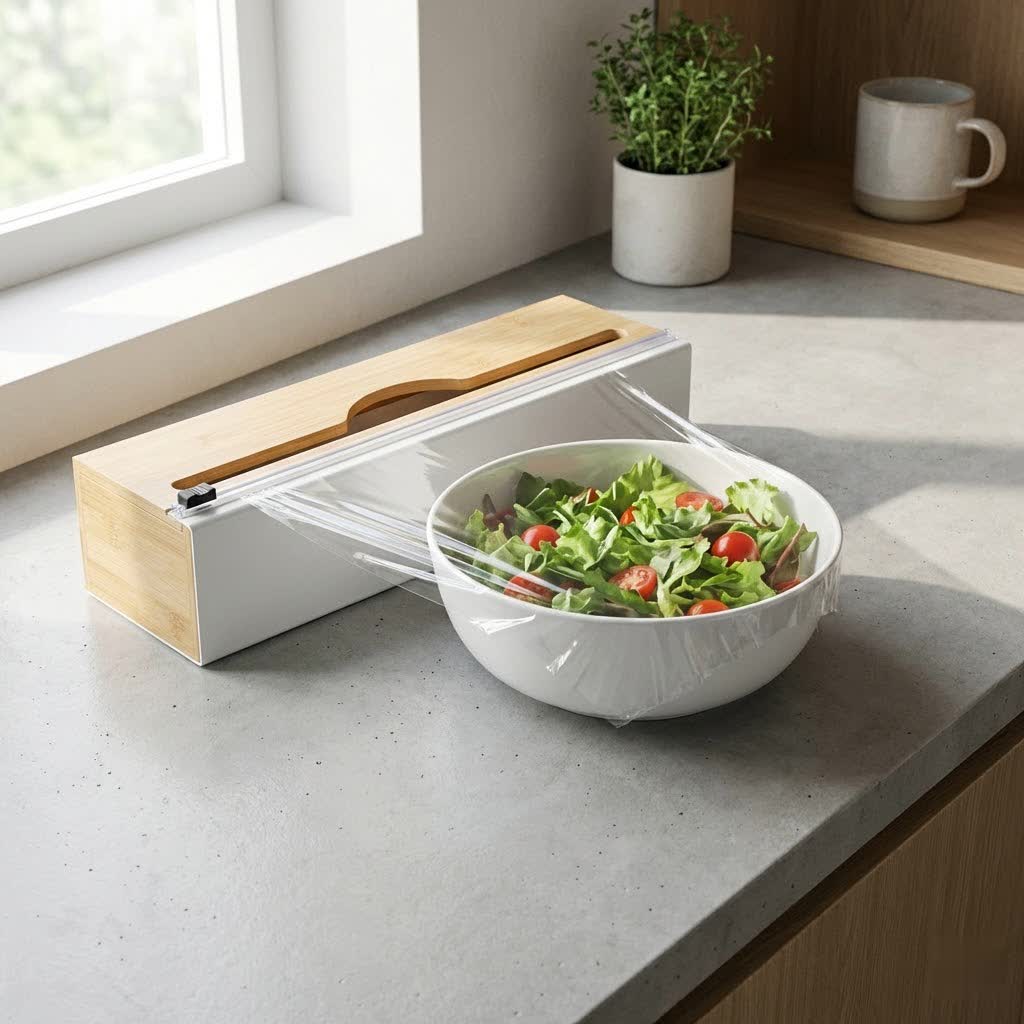
Choosing the right food wrap can transform your kitchen experience, making food storage simpler and more effective. For years, traditional cling film has been a household staple, but innovations like Glad Press’n Seal have introduced new possibilities. While both aim to keep your food fresh, they utilize distinct technologies and offer different advantages. Understanding these differences is key to selecting the best food wrap for your specific needs, whether you’re packing lunches, preserving leftovers, or prepping ingredients for later.
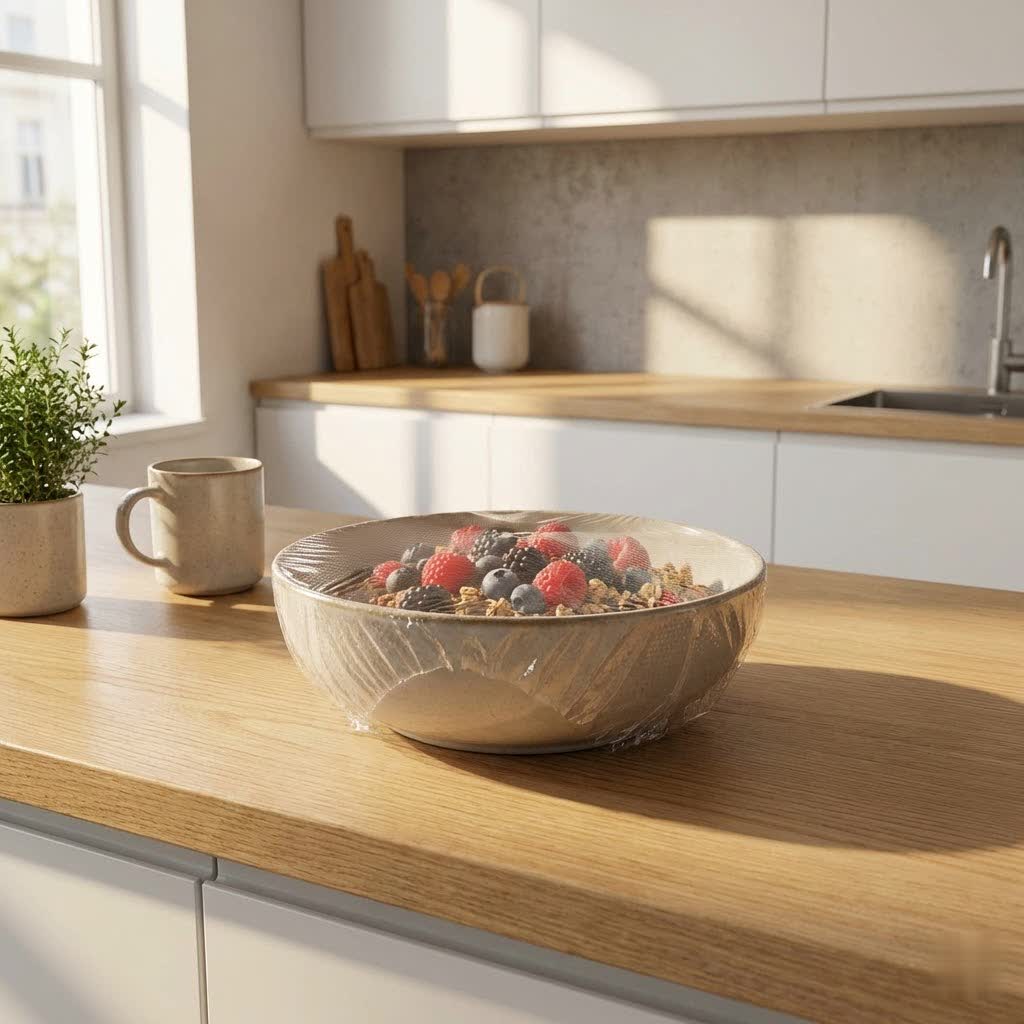
Understanding Food Wraps: The Basics
Before diving into a direct comparison, let’s establish a foundational understanding of each product.
Traditional Cling Film Explained
Traditional cling film, often referred to as plastic wrap or Saran wrap, is a thin, flexible plastic film that adheres to itself and surfaces through static electricity. It’s a common sight in kitchens worldwide, used for everything from covering bowls to wrapping individual food items.
Cling film comes in several material types, each with unique characteristics:
- Polyethylene (PE) Cling Film: This is the most prevalent type found in homes today. PE film is generally considered safe, cost-effective, and offers good barrier properties, helping to extend food preservation. It is often microwave-safe, though it’s advised to maintain a gap between the film and food when heating to prevent melting at temperatures above 110℃. PE is also a phthalate-free alternative.
- Polyvinyl Chloride (PVC) Cling Film: Historically, PVC film was popular for its excellent cling strength and clarity. It was frequently used for wrapping raw meats and cheeses due to its good oxygen barrier. However, PVC cling film often contains plasticizers to enhance flexibility and adhesion. Concerns have arisen regarding the potential for these plasticizers to migrate into food, particularly when exposed to heat or oils, leading to health and environmental considerations. Consequently, its use has declined in many markets.
- Polyvinylidene Chloride (PVDC) Cling Film: Best known by the brand name “Saran” wrap, PVDC offers superior oxygen and moisture barrier performance. This makes it an excellent choice for products requiring a longer shelf life and robust protection from spoilage. While highly effective for preservation, PVDC films tend to be more expensive and less flexible than PE or PVC. Environmental concerns and recycling challenges also impact its broader adoption.
|
Our Picks for the Best Food wrap in 2026
As an Amazon Associate I earn from qualifying purchases.
|
||
| Num | Product | Action |
|---|---|---|
| 1 | Reynolds 912 Foodservice Clear Plastic Wrap Film, 15 inch Width, 2000 Feet |

|
| 2 | Glad Cling N Seal Plastic Wrap for Food, Airtight Seal, 300 Square Foot Roll (Pack of 4) |
|
| 3 | Amazon Basics Plastic Food Wrap, BPA Free, Microwave Safe with Tight Seal, 300 Sq Ft, Pack of 3, 100 Sq Ft Rolls |
|
| 4 | Kirkland Signature Stretch Tite Plastic Food Wrap 11 7/8 Inch X 750 SQ. FT. Pack 2 |
|
| 5 | Kirkland Signature Food Wrap Premium |
|
| 6 | Reynolds Kitchens Quick Cut Plastic Wrap, 225 Square Feet |
|
| 7 | Glad Press'N Seal Food Plastic Wrap, 70 Square Foot Roll (Package May Vary) |
|
| 8 | Amazon Basics Plastic Food Wrap, BPA Free, Microwavable, 200 Sq Ft, Pack of 1 |
|
| 9 | Plastic Food Wrap Thick Enough for daily use Stronger for Comercial Use Durable With Slide Cutter 12"wide 2000 Feet long Home and Commercial Use Food Service |
|
| 10 | Kirkland Signature Plastic Food Wrap - 6000 SQ. FT (2 Pack, 12" x 3000 SQ. FT Each) |
|
Glad Press’n Seal: The Innovative Alternative
Glad Press’n Seal distinguishes itself with an innovative adhesive technology designed to create a tighter, more reliable seal than traditional static-cling wraps. It’s a versatile “food safe plastic film” with a unique gripping ability.
At the heart of Press’n Seal’s effectiveness is its proprietary Griptex® technology. This isn’t just a sticky surface; imagine the wrap having thousands of tiny hills and valleys. The adhesive, which includes FDA-approved ingredients similar to those found in chewing gum, is released and activated only when pressure is applied. This allows Press’n Seal to bond securely to a wide variety of surfaces, including plastic, paper, Styrofoam, metal, and wood, forming an airtight, leak-proof barrier. This pressure-activated sealing mechanism provides a level of security and versatility not typically found in conventional cling films.
Head-to-Head Comparison: Press’n Seal vs. Traditional Cling Film
When it comes to preserving food, both Press’n Seal and traditional cling film have their merits, but they excel in different areas. Here’s a detailed comparison to help you understand which might be better suited for your kitchen tasks.
Adhesion and Sealing Power
The most significant difference lies in how each product seals.
- Press’n Seal: Thanks to its Griptex® technology, Press’n Seal offers a superior, airtight, and leak-proof seal. It bonds firmly to various surfaces, ensuring contents are truly secured, whether in a bowl, on a plate, or even forming custom bags by sealing the film to itself. This strong adherence means liquids are less likely to spill, and air is effectively kept out.
- Traditional Cling Film: Relies on static cling, which often results in a looser, less consistent seal. It can be challenging to achieve a truly airtight barrier, especially on irregular surfaces or when covering liquids. Often, multiple layers or careful manipulation are needed to create an adequate seal, and even then, leaks can occur.
Versatility and Application
Beyond just covering dishes, modern food wraps offer diverse applications.
- Press’n Seal: Highly versatile, it can wrap a wide range of solid and liquid products, including juices, soups, and cooked meals. Its ability to create custom-shaped bags by sealing layers together is a unique advantage. Press’n Seal is also designed to be safe for both microwave and freezer use, making it suitable for various storage and reheating needs.
- Traditional Cling Film: Primarily suited for wrapping solid food items. Its limited clinging ability makes it less reliable for sealing liquids, which can easily spill. While PE cling film can be microwave-safe, it’s generally recommended to leave a gap to prevent the film from touching food and potentially melting. Freezing with traditional cling film can also lead to freezer burn if the seal isn’t perfectly airtight.
Ease of Use
Nobody wants to battle with their food wrap.
- Press’n Seal: Generally considered easy to use due to its reliable adhesion. You simply press it onto the desired surface to create a seal, and it can even be reapplied if necessary. However, some users have reported occasional frustrations with the cutting mechanism on the box or difficulty finding the start of the roll.
- Traditional Cling Film: Can be notoriously frustrating. It often tangles, sticks to itself, and requires careful handling to unroll and apply smoothly. Achieving a tight seal can be a struggle, leading to wasted film and effort.
Durability and Reusability
Consider how long the wrap will last and if it can be used more than once.
- Press’n Seal: Tends to be more rigid and, due to its strong adhesive, can often be reused for light-duty tasks or re-sealed multiple times on the same container.
- Traditional Cling Film: Less durable and generally not designed for reuse. Its thin, often fragile nature means it’s usually a single-use product, contributing to more waste.
Safety and Materials
Food contact materials must meet safety standards.
- Press’n Seal: Is BPA-free and uses FDA-approved adhesive ingredients, offering reassurance for food contact.
- Traditional Cling Film: The safety depends on the material. PE film is widely considered safe. PVC films, while still available, have raised concerns due to plasticizer migration, especially with fatty or heated foods. PVDC films are effective but also face environmental scrutiny. Always check the packaging for specific material information and safety certifications.
Cost
Budget is often a factor in household purchases.
- Press’n Seal: Due to its advanced technology and superior performance, Press’n Seal is typically more expensive per roll than traditional cling film.
- Traditional Cling Film: Generally more budget-friendly, making it an economical choice for those who don’t require the advanced sealing capabilities of Press’n Seal.
Transparency
Visual clarity can be important for identifying contents.
- Press’n Seal: Has a light blue tint, which can slightly obscure the view of the food inside.
- Traditional Cling Film: Is usually highly transparent, allowing for a clear view of the wrapped contents.
Key Criteria for Choosing the Right Food Wrap
Selecting the ideal food wrap depends on a few key considerations tailored to your kitchen habits and priorities.
- Food Type: Are you frequently wrapping liquids like soups or sauces? Press’n Seal’s leak-proof seal offers superior security. For solids like fruits, vegetables, or sandwiches, traditional cling film might suffice, but Press’n Seal can offer better freshness retention.
- Storage Needs: For short-term refrigeration of easily covered items, a basic PE cling film can work. However, for long-term storage, freezing, or preventing odors from permeating, the airtight seal of Press’n Seal is a distinct advantage.
- Heating Requirements: If you often reheat food directly in the microwave with the wrap on, ensure your chosen wrap is clearly labeled “microwave-safe.” Press’n Seal is generally microwave-friendly, while traditional cling films (especially PE) require careful use, often needing a vent or a gap between the film and food. Avoid PVC cling film for microwave heating entirely.
- Environmental Impact: For those prioritizing sustainability, both conventional plastic wraps pose recycling challenges. This leads many to explore eco-friendly alternatives.
- Budget: While Press’n Seal offers enhanced performance, it comes at a higher price point. If budget is a primary concern and your needs are simple, traditional cling film provides a more economical option.
Eco-Friendly Food Wrap Alternatives
Given the environmental concerns associated with single-use plastics, many consumers are exploring sustainable food wrap options. These alternatives offer different levels of performance and reusability.
- Beeswax Wraps: Made from cotton fabric coated with beeswax, jojoba oil, and tree resin, these wraps are reusable, washable, and compostable. They mold to containers and food items with the warmth of your hands, creating a breathable seal suitable for many foods, though not typically recommended for raw meat.
- Silicone Lids: Reusable silicone lids stretch to fit various bowls, cups, and containers, providing an airtight seal. They are durable, microwave-safe, oven-safe, and dishwasher-safe, offering a long-lasting, zero-waste solution.
- Compostable Cling Films: Some brands now offer cling films made from plant-based materials that are designed to be compostable, either industrially or at home. While they aim to mimic traditional cling film’s function, their cling properties and durability can vary.
These alternatives present viable options for reducing plastic waste in the kitchen, appealing to those who wish to minimize their ecological footprint while still preserving food effectively.
Where to Purchase Food Wrap
Both Press’n Seal and traditional cling film are widely available, making them easy to acquire for your household needs.
- Physical Stores: You can find both types of food wrap at major supermarkets, grocery stores, and general merchandise retailers. These stores typically stock a range of brands and sizes, allowing you to compare options directly.
- Online Retailers: E-commerce platforms offer a vast selection, often including bulk options or less common varieties. When purchasing online, it’s wise to:
- Check Product Information: Verify the material (PE, PVC, etc.), dimensions, and any specific safety certifications (e.g., BPA-free, microwave-safe).
- Read User Reviews: Gain insights from other customers about the product’s actual performance, ease of use, and any common issues like cutter blade quality.
- Compare Prices: Online platforms make it easy to compare prices across different brands and package sizes to ensure you’re getting the best value.
Bảng So Sánh Màng Bọc Thực Phẩm
| Feature | Glad Press’n Seal | Traditional Cling Film (e.g., PE, PVC) |
|---|---|---|
| Sealing Mechanism | Pressure-activated adhesive (Griptex® technology) | Static cling |
| Adhesion Strength | Superior, airtight, leak-proof, multi-surface | Moderate to weak, prone to air gaps, limited surfaces |
| Versatility | Wraps solids & liquids, creates custom bags, versatile | Primarily for solids, less reliable for liquids |
| Microwave Safe | Yes (with proper use) | Varies by material (PE is often, PVC generally not) |
| Freezer Safe | Yes | Yes (but may cause freezer burn if not sealed well) |
| Reusability | Often reusable for light tasks, re-sealable | Generally single-use |
| Ease of Use | Generally easy to apply, reapply | Can tangle, difficult to get a tight seal |
| Material Safety | BPA-free, FDA-approved adhesive | PE is safe; PVC has plasticizer concerns |
| Transparency | Light blue tint (can slightly obscure contents) | Highly transparent |
| Cost (Estimated) | Higher | Lower |
| Best For | Liquids, messy foods, custom wraps, strong seals | Simple coverings, less demanding tasks, budget-conscious |
Buying Guide: Making Your Informed Choice
Navigating the array of food wrap options can feel overwhelming, but making an informed decision is simpler when you consider your specific needs.
- Identify Your Usage Needs: Start by asking yourself what you primarily need food wrap for. Is it mostly for covering solid leftovers, ensuring no leaks with liquid dishes, preparing food for the freezer, or convenient microwave reheating? Your answer will guide you toward the right product.
- Choose the Right Material: If safety and versatility are paramount, Press’n Seal offers a reliable adhesive-based solution. For traditional cling film, opt for PE (polyethylene) varieties, which are considered safer and more environmentally friendly than PVC. Avoid PVC films, especially for fatty or heated foods.
- Consider Size and Dispensing: Think about the roll size that best fits your kitchen space and typical usage. While most wraps come with a cutting edge, evaluate reviews for the quality of the dispenser, as a poor cutter can significantly impact ease of use.
- Read Product Information Thoroughly: Always check for certifications like “BPA-free” and specific instructions for microwave and freezer use. This ensures you’re using the product safely and effectively.
- Consult User Reviews: Online reviews and recommendations from fellow home cooks can provide practical insights into a product’s real-world performance, highlighting both its strengths and potential drawbacks.
Ultimately, the best food wrap is one that aligns with your household’s demands, offering both convenience and peace of mind.
“The right food wrap isn’t just about covering food; it’s about minimizing waste, extending freshness, and simplifying your daily kitchen routine.”
Conclusion
Choosing between Press’n Seal and traditional cling film boils down to understanding their distinct features and aligning them with your personal kitchen habits. Press’n Seal stands out with its innovative adhesive technology, providing a superior, leak-proof, and airtight seal that is highly versatile for both solids and liquids, and safe for microwave and freezer use. While it comes at a higher cost and might have a slight tint, its reliability and ease of use for demanding tasks are undeniable. Traditional cling film, particularly PE variations, remains a budget-friendly option for general covering, though it often lacks the robust sealing power and versatility of Press’n Seal.
Ultimately, whether you prioritize advanced sealing technology or cost-effectiveness, the key is to select a food wrap that best supports your food preservation goals, reduces waste, and contributes to a more efficient kitchen. What features do you value most in your food wrap, and how might a different choice impact your daily routine?
Frequently Asked Questions
Which type of food wrap is safest for health?
Polyethylene (PE) cling film is widely considered the safest among traditional plastic wraps as it doesn’t contain plasticizers like PVC. Glad Press’n Seal is also a safe choice, being BPA-free and utilizing FDA-approved adhesive components. Always check for explicit “food-safe” and “BPA-free” labels on packaging to ensure health compliance.
Can Press’n Seal be reused?
Yes, Glad Press’n Seal can often be reused for lighter tasks, thanks to its strong Griptex® adhesive. While not designed for indefinite reuse, its ability to re-seal multiple times on the same container or for covering items makes it more durable than most single-use traditional cling films.
Is traditional cling film safe for microwave use?
It depends on the material. PE cling film is generally considered microwave-safe, but it’s crucial to leave a one-inch gap between the film and food to prevent melting or leaching, especially with fatty foods. PVC cling film is typically not recommended for microwave use due to concerns about plasticizer migration when heated. Always check the manufacturer’s instructions.
What is Griptex technology in Press’n Seal?
Griptex technology is Glad Press’n Seal’s proprietary adhesive system. It features a textured surface with tiny dimples that release a food-safe, chewing-gum-like adhesive when pressure is applied. This creates a strong, airtight bond to various surfaces like plastic, glass, and metal, ensuring a leak-proof seal.
Are there eco-friendly alternatives to plastic food wraps?
Yes, several eco-friendly alternatives are available, including reusable beeswax wraps, stretchy silicone lids, and compostable plant-based cling films. These options aim to reduce single-use plastic waste and offer sustainable solutions for food storage, though their performance and application might differ from traditional plastic wraps.