Have you ever opened your freezer, eagerly anticipating a meal, only to find your food encased in an icy, discolored shell, its vibrant freshness a distant memory? This disheartening phenomenon, known as freezer burn, is a common culinary woe that wastes food and disappoints taste buds. But what exactly causes this frosty damage, and more importantly, how can you prevent it? As an experienced technician in kitchen essentials, particularly food wraps, I’m here to guide you through selecting and using the best wraps to keep your frozen foods tasting as fresh as the day you stored them.
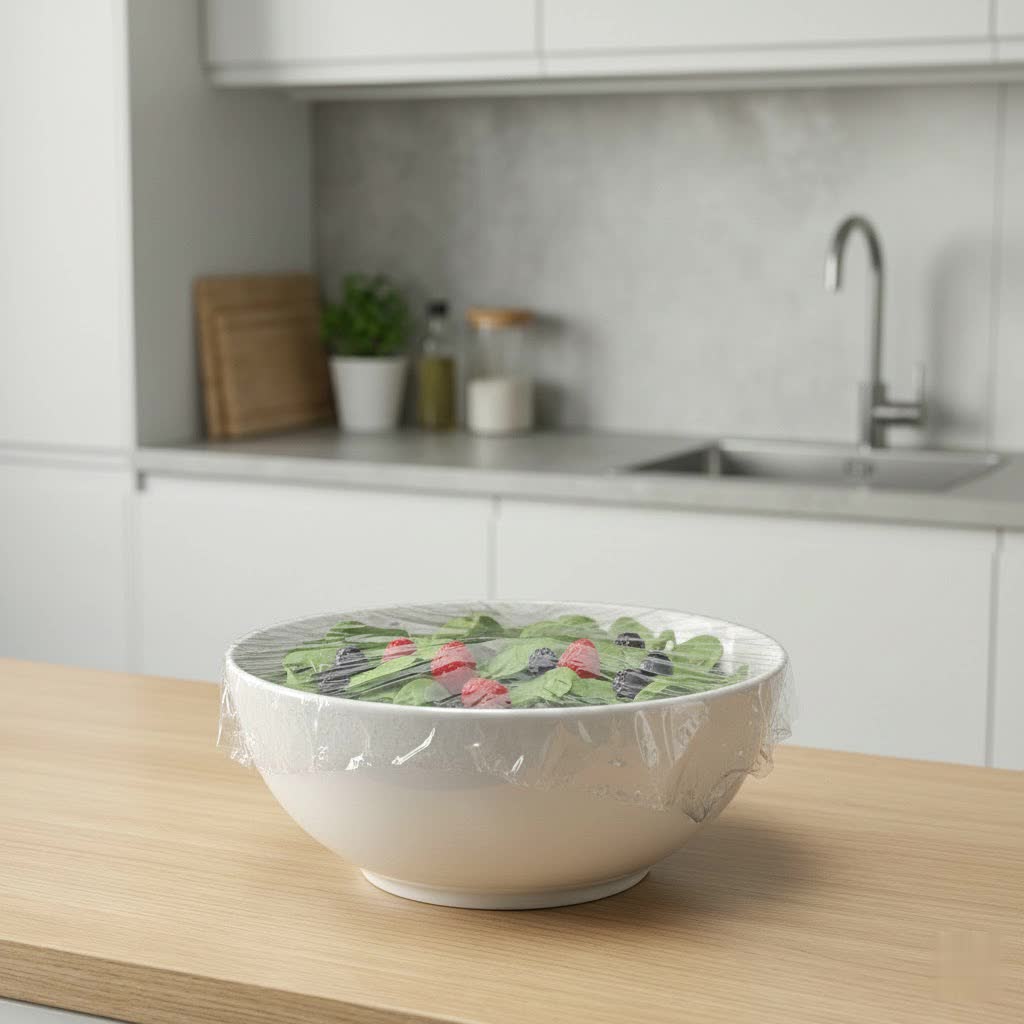
Food Wrap: Your First Line of Defense Against Freezer Burn
Understanding the enemy is the first step in winning the battle against freezer burn. This insidious process is primarily caused by two factors: dehydration and oxidation. The cold, dry air circulating in your freezer slowly draws moisture from unprotected food surfaces, a process called sublimation where ice turns directly into vapor without becoming liquid. This moisture loss leads to the dry, tough, and discolored spots characteristic of freezer burn. Simultaneously, exposure to oxygen can alter the food’s flavor and color, further diminishing its quality. The goal of proper food wrapping is to create an impenetrable barrier between your food and the harsh freezer environment, preventing both moisture loss and air exposure.
Types of Food Wraps for Freezer Protection
Choosing the right material is paramount. Not all wraps are created equal when it comes to the extreme conditions of a freezer.
- Plastic Wrap (Heavy-Duty/Freezer-Safe): While standard cling wrap might seem like an easy solution, it often lacks the thickness needed for long-term freezer storage. Heavy-duty or freezer-specific plastic wraps are thicker and designed to adhere more tightly, providing a better moisture barrier. They are flexible and can conform to irregular shapes, making them an excellent first layer directly on the food surface to expel air. However, for extended freezing, they often benefit from an additional layer of protection.
- Aluminum Foil (Heavy-Duty): This versatile wrap is a formidable opponent against freezer burn. Heavy-duty aluminum foil molds tightly around food, effectively pushing out air and forming a strong barrier against light and odors. It’s particularly effective for wrapping irregularly shaped items like cuts of meat or casseroles. It also helps protect food from absorbing other smells in a shared freezer. However, direct contact with very acidic foods like tomatoes or lemons can sometimes cause a reaction, so use a layer of plastic wrap first in such cases.
- Freezer Paper: Specifically engineered for freezing, freezer paper has a plastic-coated (often waxed) side that acts as a moisture-resistant barrier. The uncoated paper side can be written on easily for labeling. It’s highly effective for wrapping meats and other solids, providing excellent protection against dehydration. The key is to wrap tightly, ensuring the coated side is against the food.
- Freezer Bags (Zip-Top and Vacuum Seal Bags): Zip-top freezer bags are thicker than regular storage bags and feature robust seals, making them suitable for many frozen items, including liquids when laid flat. For the ultimate protection, vacuum seal bags used with a vacuum sealer are unrivaled. By removing nearly all air from the package, they virtually eliminate the conditions necessary for freezer burn, drastically extending the shelf life and preserving the quality of your food. While the initial investment in a vacuum sealer can be higher, the food preservation benefits often outweigh the cost.
- Reusable and Eco-Friendly Wraps (Silicone, Beeswax): For those seeking sustainable options, reusable silicone bags offer an airtight, durable, and long-lasting solution, perfect for fruits, vegetables, and pre-portioned meals. Beeswax wraps, made from organic cotton infused with beeswax, jojoba oil, and tree resin, are another eco-friendly choice. They are breathable and can be a good option for shorter freezing periods, typically up to a month, and for less delicate items like bread or baked goods.
|
Our Picks for the Best Food wrap in 2026
As an Amazon Associate I earn from qualifying purchases.
|
||
| Num | Product | Action |
|---|---|---|
| 1 | Glad Press'N Seal Food Plastic Wrap, 70 Square Foot Roll (Package May Vary) |

|
| 2 | Kirkland Signature Plastic Food Wrap - 6000 SQ. FT (2 Pack, 12" x 3000 SQ. FT Each) |
|
| 3 | Reynolds Kitchens Quick Cut Plastic Wrap, 225 Square Feet |
|
| 4 | Reynolds 912 Foodservice Clear Plastic Wrap Film, 15 inch Width, 2000 Feet |
|
| 5 | Amazon Basics Plastic Food Wrap, BPA Free, Microwavable, 200 Sq Ft, Pack of 1 |
|
| 6 | Amazon Basics Plastic Food Wrap, BPA Free, Microwave Safe with Tight Seal, 300 Sq Ft, Pack of 3, 100 Sq Ft Rolls |
|
| 7 | Kirkland Signature Stretch Tite Plastic Food Wrap 11 7/8 Inch X 750 SQ. FT. Pack 2 |
|
| 8 | Glad Cling N Seal Plastic Wrap for Food, Airtight Seal, 300 Square Foot Roll (Pack of 4) |
|
| 9 | Kirkland Signature Food Wrap Premium |
|
| 10 | Plastic Food Wrap Thick Enough for daily use Stronger for Comercial Use Durable With Slide Cutter 12"wide 2000 Feet long Home and Commercial Use Food Service |
|
Criteria for Choosing Quality Freezer Wrap
When standing in the aisle, how do you pick the best wrap? Consider these critical criteria:
- Air-Tightness and Moisture Barrier: This is the non-negotiable factor. The wrap must effectively block air and prevent moisture from escaping or entering. Look for terms like “heavy-duty,” “freezer-safe,” or “airtight seal.”
- Durability and Puncture Resistance: Freezer conditions can be harsh, and flimsy wraps can tear easily, compromising the seal. A good freezer wrap should be robust enough to withstand bumps and shifting inside a packed freezer.
- Safety Standards: Always prioritize food-grade materials. Check for certifications and ensure the product is free from harmful chemicals like BPA, especially if it might come into direct contact with food.
- Ease of Use: While not directly affecting protection, a wrap that is easy to cut, handle, and seal tightly will lead to more consistent and effective wrapping, reducing frustration and waste.
Top Food Wrap Brands for Freezer Burn Prevention
Many brands offer excellent solutions for freezer storage. Here’s a comparative look at some popular options, focusing on their freezer performance:
| Brand Name | Material Type | Key Feature for Freezing | Pros | Cons |
|---|---|---|---|---|
| Saran Premium Plastic Wrap | Heavy-Duty PE Plastic | Thicker design, locks moisture in. | Good elasticity, less prone to tearing, microwave safe. | Some formulas may contain BPA; can be less clingy than others. |
| Glad Press’n Seal | Food-Grade PE Plastic | Gripex Technology for superior seal. | BPA-free, seals to various surfaces (food, glass, plastic), excellent for preventing air contact. | Can be more expensive per square foot. |
| Reynolds Kitchens Quick Cut Plastic Wrap | Heavy-Duty PE Plastic | BPA-free, easy-to-use dispenser with cutter. | BPA-free, freezer and microwave safe, prevents tangling. | May not be as thick as dedicated freezer wraps. |
| Freeze-Tite Food Wrap | Premium Heavy-Duty Plastic | Superior thickness and airtight seal. | Specifically designed for freezing, excellent against freezer burn, durable. | Less widely available than mainstream brands. |
| Reynolds Freezer Paper | Waxed Paper | One-sided wax coating forms a moisture barrier. | Ideal for meats, easy to write on for labeling, strong barrier. | Less flexible for very irregular shapes compared to plastic wrap. |
| FoodSaver Vacuum Seal Bags | Multi-Layer BPA-Free Plastic | Removes nearly 100% of air from packaging. | Maximum freezer burn protection, significantly extends shelf life, durable. | Requires a vacuum sealer machine, higher initial cost. |
How to Properly Wrap Food to Prevent Freezer Burn
Even the best wrap can fail if not used correctly. The secret lies in technique:
- The “Double-Wrap” or Layering Technique: For optimal protection, especially for long-term storage, consider a two-layer approach. Start by wrapping your food tightly in plastic wrap, pressing it directly against the food’s surface to eliminate as much air as possible. Then, add a second layer of heavy-duty aluminum foil or freezer paper. This combination provides both an excellent air barrier and robust physical protection.
- Eliminating Air Pockets: This is the single most important step. Whether using plastic wrap, foil, or bags, press out all excess air. For plastic wrap, smooth it firmly against the food. For bags, squeeze out air before sealing. If freezing liquids, place the plastic wrap directly on the surface of the liquid before sealing the container lid.
- The Butcher Wrap Method: This technique is ideal for cuts of meat. Lay your meat on the freezer paper (waxed side up). Bring two opposite edges of the paper together over the meat and fold them down, creating a tight seam. Continue folding the seam down repeatedly until it’s snug against the meat, expelling air as you go. Then, fold the ends tightly against the meat and secure with freezer tape.
- Freezing Liquids and Soups: When freezing liquids in containers, always leave about an inch of “headspace” to allow for expansion. For extra protection, place a piece of plastic wrap directly onto the surface of the liquid before putting on the lid, creating an additional barrier against air.
- Pre-Freezing/Flash Freezing: For individual items like berries, cookies, or meatballs, flash freezing them on a tray until solid before transferring them to a freezer bag or container prevents them from sticking together. This allows you to grab only the portion you need without thawing the entire batch.
Eco-Friendly Practices for Freezer Storage
As we become more conscious of our environmental impact, there are many ways to reduce waste in the freezer:
- Reusable Containers and Bags: Investing in high-quality, freezer-safe reusable silicone bags or glass containers with airtight lids can significantly cut down on single-use plastics. They are durable, easy to clean, and offer excellent protection.
- Compostable Wraps: While still evolving, some truly compostable or biodegradable wraps are becoming available. Research local composting facilities to ensure these can be properly disposed of in your area.
- Minimizing Waste through Proper Portioning: Freezing food in appropriate portion sizes not only makes meal prep easier but also reduces waste by allowing you to thaw only what you need, preventing unnecessary refreezing.
Where to Buy High-Quality Freezer Wraps
High-quality freezer wraps are readily available. You can find them at most major supermarkets, often in the same aisle as plastic wrap and aluminum foil. Online retailers offer a wider selection, including specialty brands and bulk options, which can be cost-effective. Additionally, kitchen supply stores and some big-box retailers carry a range of freezer-specific products.
Buying Guide: Selecting the Best Wrap for Your Needs
Choosing the right wrap depends on your specific freezing habits and the types of food you typically store:
- Assess Food Type: For solid, firm items like meat or fish, freezer paper or aluminum foil (double-wrapped for long-term) works wonderfully. For liquids, soups, or stews, sturdy freezer bags (especially vacuum-sealed) or glass containers are ideal. Delicate items like baked goods might benefit from a combination of plastic wrap and a rigid container.
- Consider Storage Duration: For short-term freezing (a few weeks), heavy-duty plastic wrap or basic freezer bags might suffice. For long-term storage (several months or more), a vacuum sealer or a double-wrap method with freezer paper or heavy-duty foil is highly recommended to prevent freezer burn effectively.
- Budget vs. Investment: While plastic wraps and foil are inexpensive, a vacuum sealer represents a larger upfront investment. However, the extended shelf life and reduced food waste can lead to significant savings over time.
- Environmental Impact: If sustainability is a priority, explore reusable silicone bags, glass containers, or beeswax wraps, remembering their specific applications and limitations for freezing.
Conclusion
Freezer burn doesn’t have to be an inevitable part of freezing food. By understanding its causes and employing the right food wraps and meticulous wrapping techniques, you can safeguard the quality, flavor, and texture of your frozen provisions. Whether you opt for the robust protection of freezer paper, the airtight seal of aluminum foil, or the unparalleled defense of a vacuum sealer, proper execution is key. Embrace these strategies, and you’ll transform your freezer from a graveyard of icy disappointments into a treasure trove of perfectly preserved meals. What delicious discovery will you make in your freezer next?
Frequently Asked Questions
Which type of food wrap is best for long-term freezer storage?
For long-term freezer storage, vacuum-seal bags offer the best protection by removing nearly all air, preventing both dehydration and oxidation. Alternatively, a combination of heavy-duty plastic wrap pressed directly against the food, followed by an outer layer of freezer paper or heavy-duty aluminum foil, provides excellent defense.
Can I reuse food wraps for freezing?
Some food wraps are specifically designed for reuse, such as silicone freezer bags and beeswax wraps. Traditional plastic wrap and aluminum foil are generally single-use for freezing, though aluminum foil can sometimes be cleaned and reused if it’s not heavily soiled or torn. Prioritize reusable options for an eco-friendlier approach.
How does a vacuum sealer prevent freezer burn more effectively?
A vacuum sealer works by mechanically removing almost all the air from the bag before sealing it. Since oxygen and air circulation are the primary drivers of freezer burn, eliminating them creates an environment where water sublimation and oxidation are nearly impossible, preserving food quality significantly longer than other methods.
Is regular plastic wrap sufficient for freezing food?
Regular plastic wrap is often too thin and permeable to air for effective long-term freezer storage. While it can be used as an initial layer pressed directly onto the food’s surface to reduce air contact, it typically requires a second, more robust barrier like heavy-duty foil or a freezer bag for adequate protection against freezer burn.
What are the signs of freezer-burned food?
The most common signs of freezer burn include dry, discolored patches (often gray or brownish), leathery or tough texture, and ice crystals forming on the food surface itself, not just the packaging. While freezer-burned food is generally safe to eat, its taste, texture, and nutritional value are significantly diminished.
