Few culinary delights are as universally loved and frustratingly fleeting as a perfectly ripe avocado. You slice into its creamy, vibrant green flesh, enjoy half, and then face the inevitable challenge: how to keep the other half from turning an unappetizing brown before you can enjoy it again. Wasting avocado feels almost sacrilegious, given its deliciousness and nutritional value. The good news is, with the right techniques, you can significantly extend the life of your leftover avocado, keeping it fresh and green for another meal.
This comprehensive guide, brought to you by an expert with over a decade of experience in food preservation, will demystify avocado storage. We’ll explore the science behind browning and equip you with practical, effective methods to keep your avocado halves as vibrant as the day you cut them, ensuring every last bit is savored, not wasted.
The Science Behind Avocado Browning
To effectively combat avocado browning, it helps to understand why it happens. The green flesh of an avocado contains an enzyme called polyphenol oxidase (PPO). When this enzyme is exposed to oxygen in the air, it reacts with phenolic compounds in the avocado, leading to a process called enzymatic browning. This reaction produces melanin, the brown pigment you see on cut surfaces. It’s the same process that causes apples and bananas to brown after being cut or bruised. Therefore, the key to preventing browning is to minimize or eliminate the avocado’s exposure to oxygen.
Essential Steps to Prevent Browning
The overarching principle for keeping your avocado fresh is simple: create an effective barrier against oxygen. While various methods exist, they all aim to either physically block air from reaching the cut surface or chemically inhibit the browning enzymes. Combining methods often yields the best results, creating a robust defense against oxidation.
Proven Methods for Storing Half an Avocado
Several strategies have proven effective in preserving the vibrant green hue of a cut avocado. Each method has its own benefits, and finding the one that best fits your routine and preferences might involve a bit of experimentation.
1. The Citrus Shield (Lemon or Lime Juice)
|
Our Picks for the Best Food wrap in 2026
As an Amazon Associate I earn from qualifying purchases.
|
||
| Num | Product | Action |
|---|---|---|
| 1 | Kirkland Signature Stretch Tite Plastic Food Wrap 11 7/8 Inch X 750 SQ. FT. Pack 2 |

|
| 2 | Reynolds 912 Foodservice Clear Plastic Wrap Film, 15 inch Width, 2000 Feet |
|
| 3 | Kirkland Signature Plastic Food Wrap - 6000 SQ. FT (2 Pack, 12" x 3000 SQ. FT Each) |
|
| 4 | Glad Press'N Seal Food Plastic Wrap, 70 Square Foot Roll (Package May Vary) |
|
| 5 | Amazon Basics Plastic Food Wrap, BPA Free, Microwave Safe with Tight Seal, 300 Sq Ft, Pack of 3, 100 Sq Ft Rolls |
|
| 6 | Kirkland Signature Food Wrap Premium |
|
| 7 | Glad Cling N Seal Plastic Wrap for Food, Airtight Seal, 300 Square Foot Roll (Pack of 4) |
|
| 8 | Plastic Food Wrap Thick Enough for daily use Stronger for Comercial Use Durable With Slide Cutter 12"wide 2000 Feet long Home and Commercial Use Food Service |
|
| 9 | Reynolds Kitchens Quick Cut Plastic Wrap, 225 Square Feet |
|
| 10 | Amazon Basics Plastic Food Wrap, BPA Free, Microwavable, 200 Sq Ft, Pack of 1 |
|
A popular and effective method involves harnessing the power of acid. Lemon or lime juice, rich in ascorbic acid (Vitamin C), acts as a natural antioxidant. This acid inhibits the polyphenol oxidase enzyme, slowing down the browning process.
To use this method, lightly brush or squeeze a small amount of fresh lemon or lime juice directly onto the exposed flesh of the avocado. Be careful not to drench it, as too much juice can alter the avocado’s flavor and texture, making it mushy. After applying the juice, proceed to seal the avocado to further protect it from air.
2. The Airtight Embrace
Creating an oxygen-free environment is paramount. This can be achieved through various wrapping and sealing techniques:
-
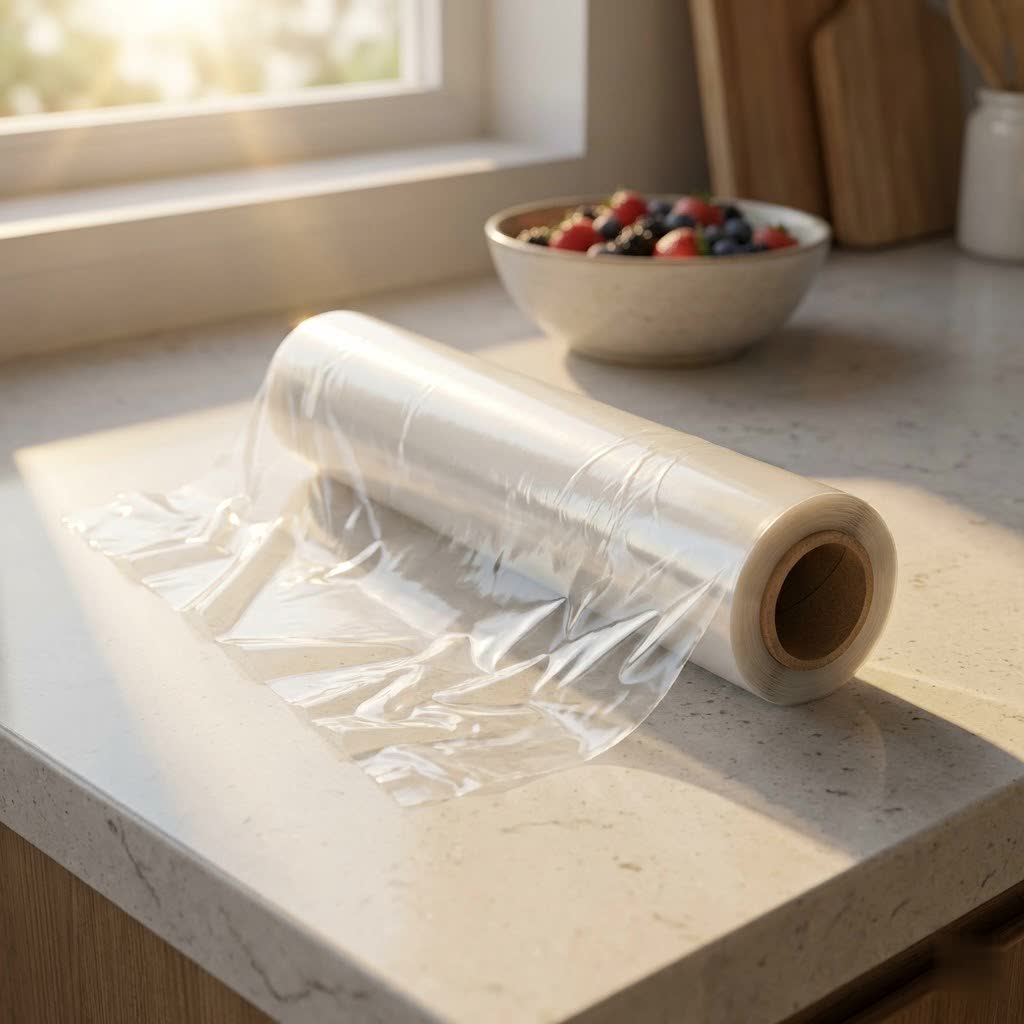
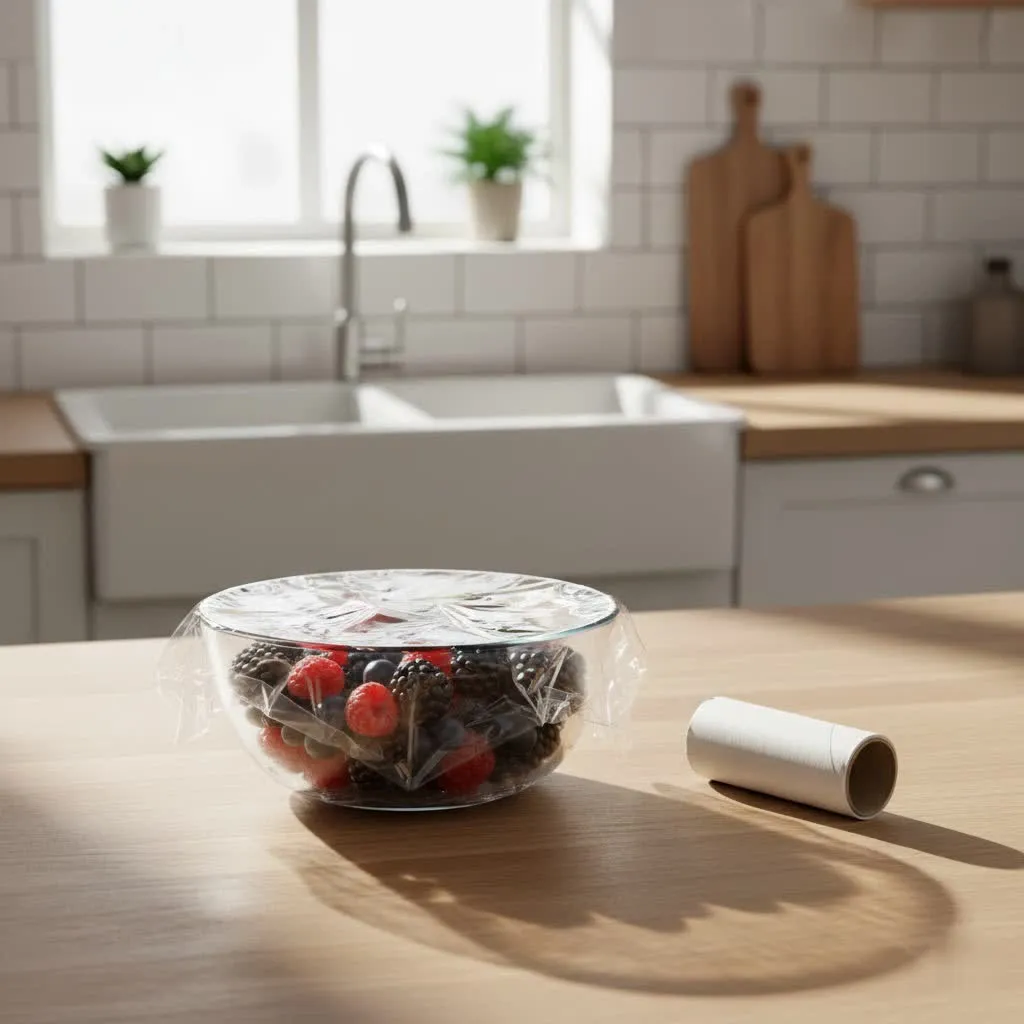
Plastic Wrap (Saran Wrap): This is perhaps the most common and effective physical barrier. The trick is to press the plastic wrap directly onto the cut surface of the avocado, ensuring there are no air bubbles trapped between the wrap and the flesh. The goal is a skin-tight seal that completely prevents oxygen contact. Wrap the entire half tightly.
-
Air-Removal Bags (Ziploc or Vacuum Seal): For an even more robust airtight seal, place the avocado half (or even mashed avocado) into a small, good-quality Ziploc bag. Press out as much air as possible before sealing. Some people even “vacuum seal” by sucking out the remaining air. This method works exceptionally well by significantly reducing the available oxygen.
-
Container with Water: Submerging the cut side of the avocado in a shallow layer of water can create an effective barrier against oxygen. Place the avocado cut-side down in a small airtight container, then add about half an inch of water. Seal the container tightly and refrigerate. The water creates a physical barrier, preventing air from reaching the avocado’s surface. Some suggest a saltwater solution for added benefits, as detailed in some culinary tips.
-
Oil Barrier: A thin layer of neutral-tasting oil, such as olive oil or avocado oil, brushed over the cut surface can create a lipid barrier. This barrier physically blocks oxygen from interacting with the avocado flesh. Similar to the citrus method, after applying the oil, it’s best to wrap the avocado tightly to reinforce the barrier.
-
The Onion Trick: While less common, some find success by storing the avocado in an airtight container with a halved onion. The sulfur compounds released by the onion are thought to inhibit the browning enzymes. Ensure the avocado is not touching the onion directly to avoid flavor transfer.
-
Keep the Pit In: Many believe that keeping the pit in the uneaten half helps prevent browning. While the pit itself doesn’t possess anti-browning properties, it does reduce the surface area exposed to air. However, it’s not a foolproof solution on its own and should ideally be combined with an airtight wrapping method for best results. The pit primarily helps by acting as a physical obstruction.
Step-by-Step Guide: Wrapping Your Avocado for Maximum Freshness
For the most reliable results, consider these detailed steps for two highly effective methods:
Method 1: Citrus & Tight Wrap
- Prepare: If the avocado still has its pit, leave it in the half you’re storing.
- Apply Citrus: Lightly brush or squeeze a few drops of fresh lemon or lime juice over the entire exposed green surface. Ensure even coverage without making it wet.
- Wrap Tightly: Take a piece of plastic wrap and press it directly onto the entire cut surface of the avocado. Smooth out any air bubbles, ensuring the wrap is in full contact with the flesh.
- Seal: Wrap the remaining plastic wrap around the entire avocado half. Alternatively, place the wrapped avocado into a small, airtight container or a Ziploc bag, pressing out excess air before sealing.
- Refrigerate: Store in the coldest part of your refrigerator.
Method 2: Water Submersion
- Prepare: Leave the pit in the avocado half if possible.
- Container Choice: Select a small, airtight container (like a glass food storage container) that can comfortably hold the avocado half.
- Submerge: Place the avocado half, cut-side down, into the chosen container.
- Add Water: Pour about half an inch to one inch of cold tap water into the container, just enough to cover the cut surface of the avocado.
- Seal & Refrigerate: Seal the container tightly with its lid and place it in the refrigerator. Change the water daily if storing for more than a day.
“Minimizing oxygen exposure is the single most critical factor in preventing avocado browning and preserving its freshness.”
Avocado Storage FAQs
Which avocado storage method is the safest for health?
All the methods discussed, such as using plastic wrap, airtight containers, or natural acids like lemon juice, are considered safe for health when applied correctly. Ensure any containers used are food-grade and clean, and that plastic wraps are free from harmful chemicals like BPA and phthalates if that is a concern for you.
How long can a cut avocado be stored using these methods?
With proper storage using the recommended methods, a cut avocado can typically stay fresh and green for 1 to 2 days in the refrigerator. Some methods, particularly those involving a strong airtight seal combined with acid, might extend this to up to 3 days, though its texture may begin to soften slightly.
Does keeping the pit in the avocado really help prevent browning?
While the pit itself doesn’t possess chemical anti-browning agents, leaving it in does help by reducing the surface area of the avocado flesh that is exposed to oxygen. For best results, however, it should always be combined with an additional airtight wrapping or sealing method to truly protect the exposed areas.
Selecting the Right Storage Method for Your Needs
Choosing the best method often depends on how long you need to store the avocado and your personal preference for ease of use. If you plan to eat the avocado within a day, a quick squeeze of lime juice and tightly wrapping in plastic wrap is usually sufficient. For longer storage or if you prefer a reusable option, airtight containers with water or a vacuum-sealed bag might be more suitable. Consider the flavor impact as well; while lemon juice is effective, a tiny amount of oil might be more neutral.
Extend the Life of Your Avocado Creations
These preservation techniques aren’t just for half avocados. If you’ve made guacamole or mashed avocado, you can use similar principles. Press plastic wrap directly onto the surface of the guacamole, eliminating any air pockets, before sealing it in an airtight container. A thin layer of water or olive oil on top of the guacamole before sealing can also provide an additional barrier, which can be drained or stirred in before serving. This ensures your delicious avocado creations remain vibrant and appealing for longer.
Conclusion
Avocados are a fantastic addition to many meals, and understanding how to properly store leftovers is key to enjoying every bit of their creamy goodness without unnecessary waste. By understanding that oxygen is the enemy of freshness and applying simple techniques like creating an airtight seal or utilizing natural acids, you can keep your cut avocados fresh and green for days. Experiment with these methods to find your favorite, and never let a perfectly good avocado go to waste again. Which method will you try first to save your next leftover avocado?
Frequently Asked Questions
Màng bọc thực phẩm loại nào an toàn nhất cho sức khỏe?
Choosing food wrap that is safe for health often involves looking for certifications like FDA approval or being labeled BPA-free and phthalate-free. Materials such as polyethylene (PE) food wrap and silicone wraps are generally considered safe, especially when compared to older PVC wraps that might contain concerning plasticizers.