There’s nothing quite like the aroma and taste of a freshly baked loaf of bread. Its soft interior, crisp crust, and comforting warmth are culinary delights. But how do you extend that magic beyond the first few hours? Preventing your beloved loaf from turning into a tough, dry, or moldy shadow of its former self is a common challenge for every home baker and bread lover. This comprehensive guide will walk you through the best methods to wrap and store bread, ensuring it stays delightfully soft and fresh for as long as possible, whether it’s for tomorrow’s sandwich or next month’s toast.
Understanding the science behind bread staling is the first step to combating it. Bread goes stale not just by drying out, but primarily due to a process called starch retrogradation. As bread cools, the starch molecules within the crumb crystallize and reorganize, pushing water out and making the bread firm and dry. Moisture loss also plays a significant role, especially in the crust. The goal of proper bread storage is to slow these processes down without encouraging mold growth.
The Essential First Step: Cool Your Bread Completely
|
Our Picks for the Best Food wrap in 2026
As an Amazon Associate I earn from qualifying purchases.
|
||
| Num | Product | Action |
|---|---|---|
| 1 | Kirkland Signature Food Wrap Premium |

|
| 2 | Amazon Basics Plastic Food Wrap, BPA Free, Microwave Safe with Tight Seal, 300 Sq Ft, Pack of 3, 100 Sq Ft Rolls |
|
| 3 | Glad Press'N Seal Food Plastic Wrap, 70 Square Foot Roll (Package May Vary) |
|
| 4 | Kirkland Signature Plastic Food Wrap - 6000 SQ. FT (2 Pack, 12" x 3000 SQ. FT Each) |
|
| 5 | Glad Cling N Seal Plastic Wrap for Food, Airtight Seal, 300 Square Foot Roll (Pack of 4) |
|
| 6 | Amazon Basics Plastic Food Wrap, BPA Free, Microwavable, 200 Sq Ft, Pack of 1 |
|
| 7 | Reynolds Kitchens Quick Cut Plastic Wrap, 225 Square Feet |
|
| 8 | Kirkland Signature Stretch Tite Plastic Food Wrap 11 7/8 Inch X 750 SQ. FT. Pack 2 |
|
| 9 | Reynolds 912 Foodservice Clear Plastic Wrap Film, 15 inch Width, 2000 Feet |
|
| 10 | Plastic Food Wrap Thick Enough for daily use Stronger for Comercial Use Durable With Slide Cutter 12"wide 2000 Feet long Home and Commercial Use Food Service |
|
Before you even think about wrapping or storing your bread, there’s one golden rule that cannot be overstated: always allow your bread to cool completely on a wire rack. Many baking mishaps, from soggy crusts to premature mold, stem from wrapping warm bread. The steam trapped inside a warm loaf will condense when wrapped, leading to a gummy texture and an ideal environment for mold spores to thrive. Patience is key here; a large loaf might take 2-4 hours, or even longer, to cool thoroughly to room temperature.
Short-Term Storage Solutions (1-3 Days)
For bread you plan to enjoy within a day or two, preserving both softness and crust is often the priority.
The Bread Box: A Classic Choice
A bread box, whether made of wood, metal, or ceramic, offers a semi-enclosed environment that balances air circulation with moisture retention. It’s excellent for keeping crusty loaves, like sourdough or baguettes, from becoming overly dry while maintaining some of their satisfying crunch. The key is finding a box that isn’t completely airtight, allowing the bread to “breathe” slightly. A well-designed bread box creates a stable microclimate that slows down both drying and mold development.
Breathable Fabric Bags: Linen and Cotton
Traditional linen or cotton bread bags are fantastic for short-term storage, especially for artisan loaves. These natural fabric bags allow for gentle air circulation, which helps maintain a crispy crust while still providing enough protection to keep the interior soft. Simply place your cooled loaf into the bag and store it on your countertop or in a bread box. These are also a wonderfully eco-friendly alternative to single-use plastics.
Paper Bags: A Bakery Staple
Many bakeries provide bread in paper bags for a reason. Paper bags offer minimal moisture retention, making them excellent for preserving a very crusty exterior. However, they don’t do much to keep the interior soft over time, as moisture will escape more readily. They are best for bread that will be consumed within hours. For slightly longer storage, you might consider placing the paper-bagged bread inside a bread box or another slightly more enclosed space.
Why the Refrigerator is a No-Go
It might seem counterintuitive, but storing fresh bread in the refrigerator is one of the quickest ways to make it stale. The cold, dry environment of a fridge dramatically accelerates the starch retrogradation process, making your bread hard and dry much faster than if left at room temperature. “While it might slow down mold growth, the texture sacrifice is usually not worth it,” notes seasoned baker, Johnathan Baker. “Unless it’s a very specific enriched bread meant for refrigeration, avoid it.”
Medium-Term Storage Solutions (3-5 Days)
When you need to keep bread soft for a few more days, you might need to prioritize moisture retention over crust crispness.
Plastic Wrap or Aluminum Foil: The Moisture Lock
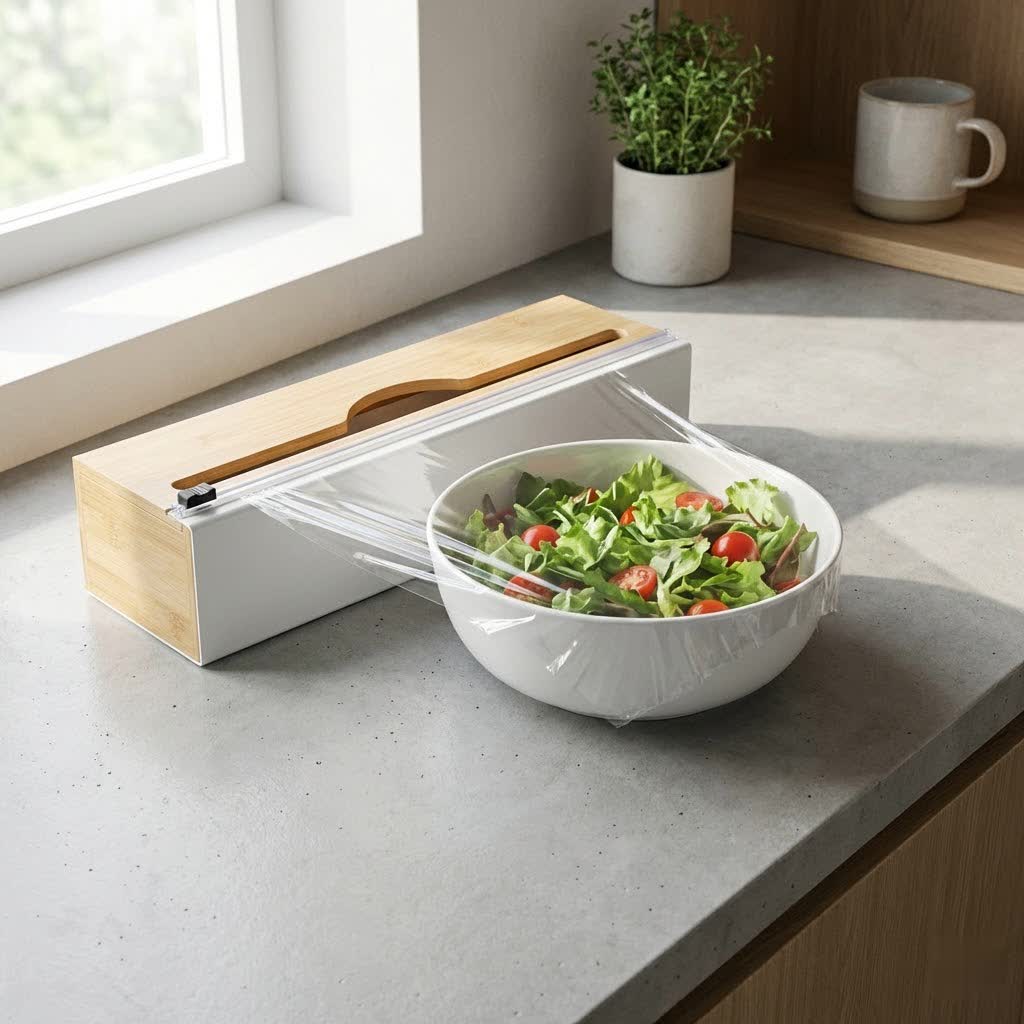
Wrapping bread tightly in plastic wrap or aluminum foil is highly effective at trapping moisture, which helps keep the interior soft and pliable for several days. This method is particularly good for softer sandwich breads or enriched loaves where a tender crumb is paramount. The downside is that it will soften or even make a crisp crust soggy. Additionally, because plastic wrap is not breathable, it can sometimes accelerate mold growth, especially in humid conditions. To mitigate this, ensure the bread is completely cool and dry on the surface before wrapping.
Reusable Food Wraps: Eco-Conscious Choices
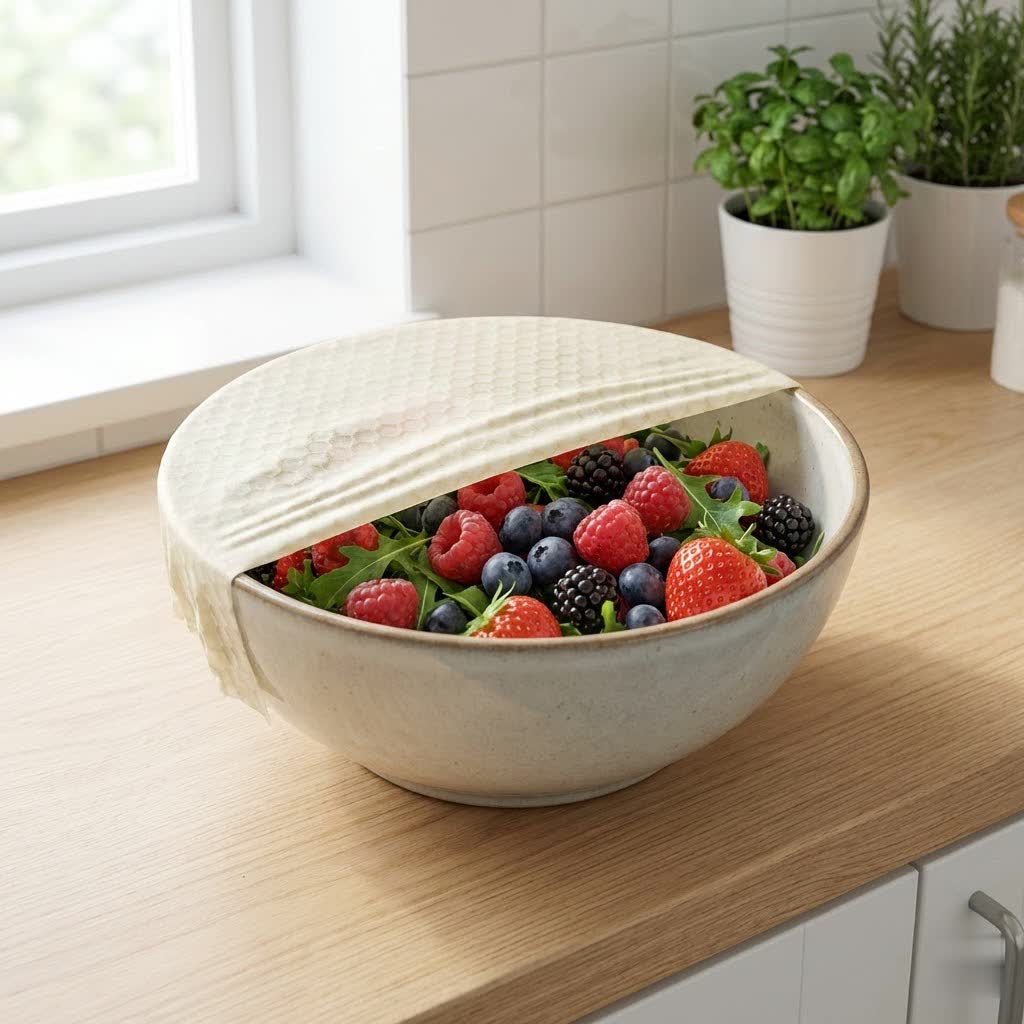
For those looking for sustainable alternatives, reusable food wraps like Bee’s Wrap offer a middle ground. Made from cotton infused with beeswax, jojoba oil, and tree resin, these wraps are breathable but still provide a good seal. They conform to the shape of your bread, keeping it soft without completely sacrificing the crust. They are also washable and can be reused for up to a year, making them a fantastic long-term investment.
Long-Term Storage: Freezing Bread
Freezing is by far the best method for preserving bread for weeks or even months without significant loss of quality. The freezing process halts starch retrogradation, effectively pausing the staling process.
Preparing Bread for the Freezer
- Cool Completely: As always, ensure your bread is fully cooled.
- Slice or Portion: Decide how you’ll use the bread. Slicing the entire loaf before freezing allows you to take out just what you need, minimizing waste. For larger loaves, cutting it into halves or quarters can also be convenient.
- Wrap Thoroughly:
- For soft-crusted breads: Wrap individual slices or the entire loaf tightly in plastic wrap, then again in aluminum foil. Finally, place the double-wrapped bread into a heavy-duty freezer bag or airtight container. This triple layer protects against freezer burn and odor absorption.
- For crusty artisan breads: Some experts suggest a slightly different approach to preserve crust. Wrap the cooled loaf tightly in a layer of foil or even a clean cotton cloth, then place it in a freezer bag, allowing for a tiny bit of air exchange. Alternatively, “for truly crispy results, some bakers even freeze bread unwrapped in a freezer bag, relying on quick freezing and thorough reheating,” says acclaimed food preservationist, Dr. Emily Stone.
Thawing and Reheating Frozen Bread
- Thawing: For best results, thaw bread overnight in its wrapping at room temperature.
- Reheating (Optional but Recommended): To restore a fresh-baked quality, especially for crusty loaves, preheat your oven to 350°F (175°C). Remove the wrapping and place the thawed bread directly on the oven rack for 10-20 minutes, depending on its size. This process re-crisps the crust and warms the interior, reversing some of the staling that might have occurred.
Special Considerations for Bread Freshness
- Homemade vs. Store-bought: Homemade breads typically lack the preservatives found in commercial loaves, meaning they will stale and mold faster. Be extra diligent with storage methods for homemade creations.
- Climate: In very dry climates, a slightly more airtight wrap might be necessary to prevent excessive drying. In very humid climates, breathability becomes crucial to prevent mold.
- Cutting Method: If you’re not slicing the entire loaf, consider cutting from the middle and pressing the cut ends together before re-wrapping. This minimizes the exposed surface area, reducing moisture loss.
Expert Tips for Ultimate Freshness
- Slice as You Go: For loaves meant to last several days, slice only the portions you intend to eat immediately. This keeps the rest of the loaf’s interior protected.
- Keep Away from Heat and Sunlight: Store bread in a cool, dark place, away from direct sunlight or heat sources like ovens, which can accelerate staling and mold growth.
- Listen to Your Bread: If you notice any signs of mold, discard the bread immediately. “It’s always better to be safe than sorry when it comes to mold,” advises food safety expert, Maria Gonzales. “The visible mold is often just the tip of the iceberg.”
Conclusion
Keeping bread soft and fresh is a nuanced art, balancing moisture, air, and temperature. From the rustic charm of a bread box to the efficiency of the freezer, each method offers distinct advantages depending on your needs and the type of bread. By understanding the principles of bread staling and applying these practical wrapping and storage techniques, you can significantly extend the life and deliciousness of your loaves. Experiment with these methods to discover which ones work best for your favorite breads and your lifestyle. What’s your go-to method for keeping your bread perfectly soft?
Frequently Asked Questions
Which bread wrap is safest and most effective for everyday use?
For everyday use, a linen bread bag or a quality bread box offers an excellent balance. They allow the bread to breathe, preserving a desirable crust while keeping the interior soft for 1-3 days. If prioritizing softness above all else for up to 5 days, a tightly wrapped plastic film can be effective, though it may soften the crust.
Can I revive stale bread?
Yes, to some extent! You can briefly dampen the crust of stale bread under a faucet and then bake it in a preheated oven (around 300-350°F or 150-175°C) for 5-10 minutes. The moisture will re-hydrate the crust, and the heat will temporarily reverse some of the starch retrogradation, making the bread soft again. This works best for bread that is just slightly stale, not rock-hard.
Is it better to store bread whole or sliced?
For short-term storage, keeping bread whole generally helps it retain moisture and freshness longer. However, if you plan to consume the bread over several days, pre-slicing before freezing is highly recommended for convenience, allowing you to thaw only what you need.
How long does homemade bread typically last compared to store-bought?
Homemade bread, often made without preservatives, typically lasts 2-4 days at room temperature before staling or showing signs of mold. Store-bought bread, due to added preservatives, can often remain fresh for 5-7 days or even longer, depending on the brand and ingredients.